
Bombay HC: Residence Proof Mandatory for RTE Neighbourhood School Admissions
Court Reinforces Transparency in Quota System
RTE Act Prioritises Local Access for Disadvantaged Children
By Our Legal Correspondent
New Delhi: June 28, 2026:
The Bombay High Court has ruled that proof of residence is essential for admissions under the Right to Education (RTE) Act’s neighbourhood school quota. The Court clarified that the RTE Act, 2009 prioritizes access to nearby schools for disadvantaged children, and authorities must verify residence before granting admission. This judgment strengthens transparency in RTE admissions and prevents misuse of the quota system.
1. Background of the Case
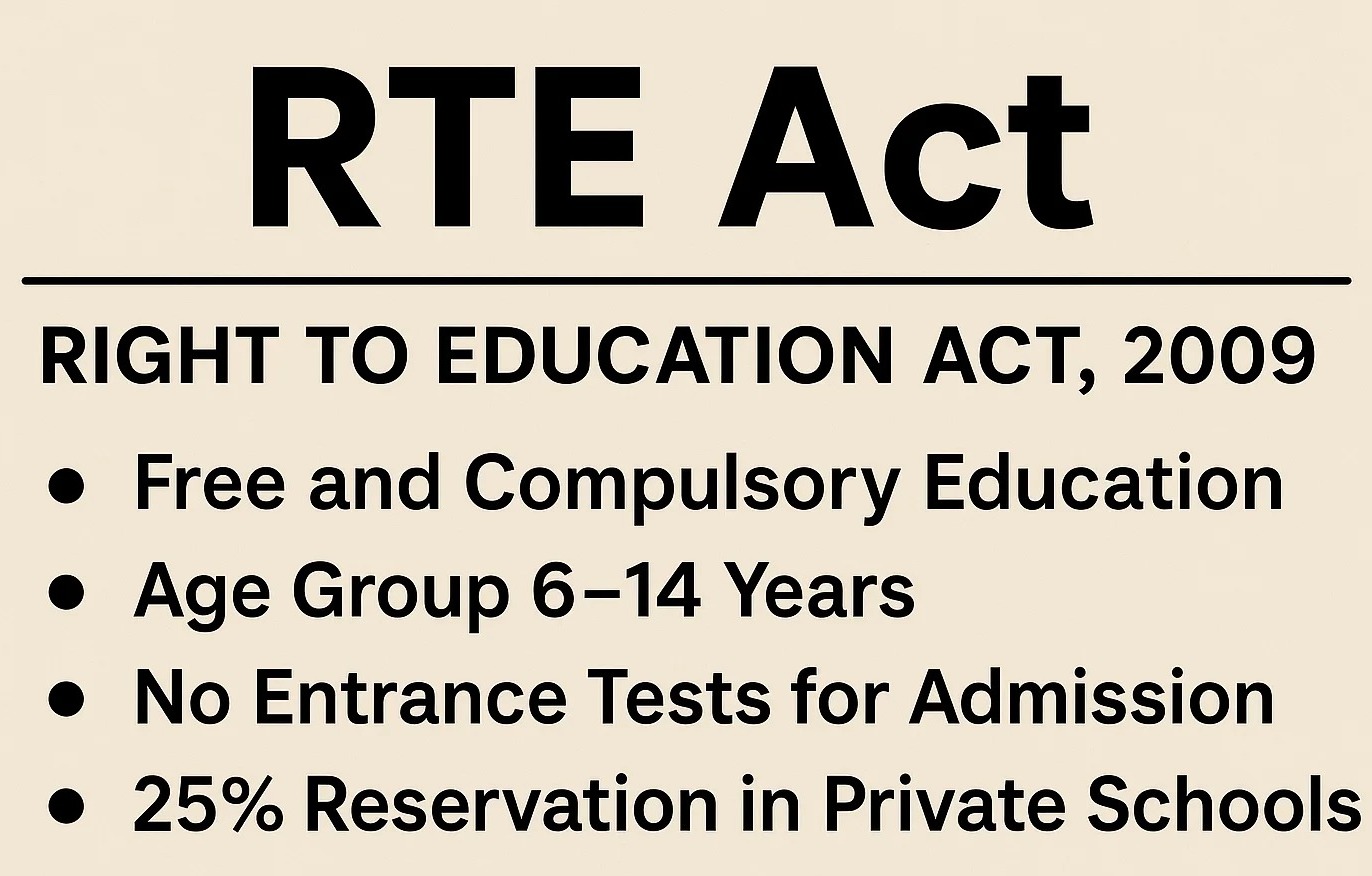
The Bombay High Court recently addressed petitions challenging the rejection of RTE quota admissions due to lack of residence proof. Parents argued that denial of admission violated the spirit of the RTE Act, which guarantees free and compulsory education to children aged 6–14. The Court held that while the Act ensures access, the neighbourhood school principle requires proof of residence to prevent misuse and ensure genuine beneficiaries are prioritized.
2. Key Legal Framework
Right of Children to Free and Compulsory Education Act, 2009 (RTE Act):
Section 12(1)(c): Mandates 25% reservation for disadvantaged children in private unaided schools.
Neighbourhood School Concept: Admissions must be within a defined radius of the child’s residence.
Maharashtra RTE Rules:
Require submission of residence proof (ration card, Aadhaar, electricity bill, etc.).
Verification by education officers before allotment.
3. Court’s Observations
Residence Proof Essential: Without proof, authorities cannot ensure compliance with neighbourhood criteria.
Transparency in Admissions: Verification prevents fraudulent claims and ensures genuine disadvantaged children benefit.
Balancing Rights and Duties: While the RTE Act guarantees education, parents must cooperate by providing valid documents.
Administrative Fairness: Authorities must give parents reasonable opportunity to submit documents before rejecting applications.
4. Related Judicial Precedents
Society for Unaided Private Schools v. Union of India (2012): Supreme Court upheld constitutionality of RTE Act’s 25% quota.
Delhi HC (2019): Held that residence proof is mandatory to prevent misuse of neighbourhood school quota.
Kerala HC (2021): Directed authorities to adopt flexible proof mechanisms to avoid excluding genuine beneficiaries.
5. Constitutional Dimensions
Article 21A: Guarantees free and compulsory education for children aged 6–14.
Article 14: Ensures equality; residence proof prevents arbitrary admissions.
Directive Principles (Article 39(f)): Mandates protection of children’s educational rights.
6. Implications for Schools and Parents
Schools: Must strictly verify residence proof before granting admission under RTE quota.
Parents: Need to maintain valid documents (ration card, Aadhaar, voter ID, utility bills).
Authorities: Must ensure fair verification without harassment or unnecessary delays.
7. Social Impact
The ruling strengthens trust in RTE admissions, ensuring that disadvantaged children living near schools benefit first. It also discourages misuse by families outside designated neighbourhoods.
8. Comparative Perspective
Globally, neighbourhood school concepts exist in countries like the US and UK, where proof of residence is mandatory for public school admissions. India’s ruling aligns with international practices of ensuring local access and preventing fraudulent claims.
FAQ Section (Searchable Index Format)
Q1: What did the Bombay HC rule? That residence proof is mandatory for RTE neighbourhood school admissions.
Q2: What is the RTE Act, 2009? It guarantees free and compulsory education to children aged 6–14 and mandates 25% reservation in private unaided schools for disadvantaged children.
Q3: What is the neighbourhood school concept? Admissions under RTE quota must be within a defined radius of the child’s residence.
Q4: Why is residence proof required? To ensure transparency, prevent misuse, and prioritize genuine beneficiaries living near schools.
Q5: What documents qualify as residence proof? Ration card, Aadhaar card, voter ID, electricity bill, water bill, or rent agreement.
Q6: Can authorities reject applications without giving parents a chance? No. The Court held that parents must be given reasonable opportunity to submit documents.
Q7: What constitutional rights are involved? Article 21A (right to education) and Article 14 (equality before law).
Q8: How does this ruling affect schools? Schools must strictly verify residence proof before granting admission under RTE quota.
Q9: What happens if parents lack documents? Authorities may adopt flexible proof mechanisms, but some valid evidence of residence is mandatory.
Q10: How does this align with global practices? Countries like the US and UK also require residence proof for neighbourhood school admissions.
Conclusion
The Bombay High Court’s ruling underscores that residence proof is integral to the neighbourhood school quota under the RTE Act. By reinforcing transparency and fairness, the Court ensures that disadvantaged children genuinely living near schools benefit from the 25% reservation. This judgment strengthens accountability in RTE admissions, aligns with constitutional guarantees, and harmonizes India’s practices with global standards of neighbourhood schooling.