
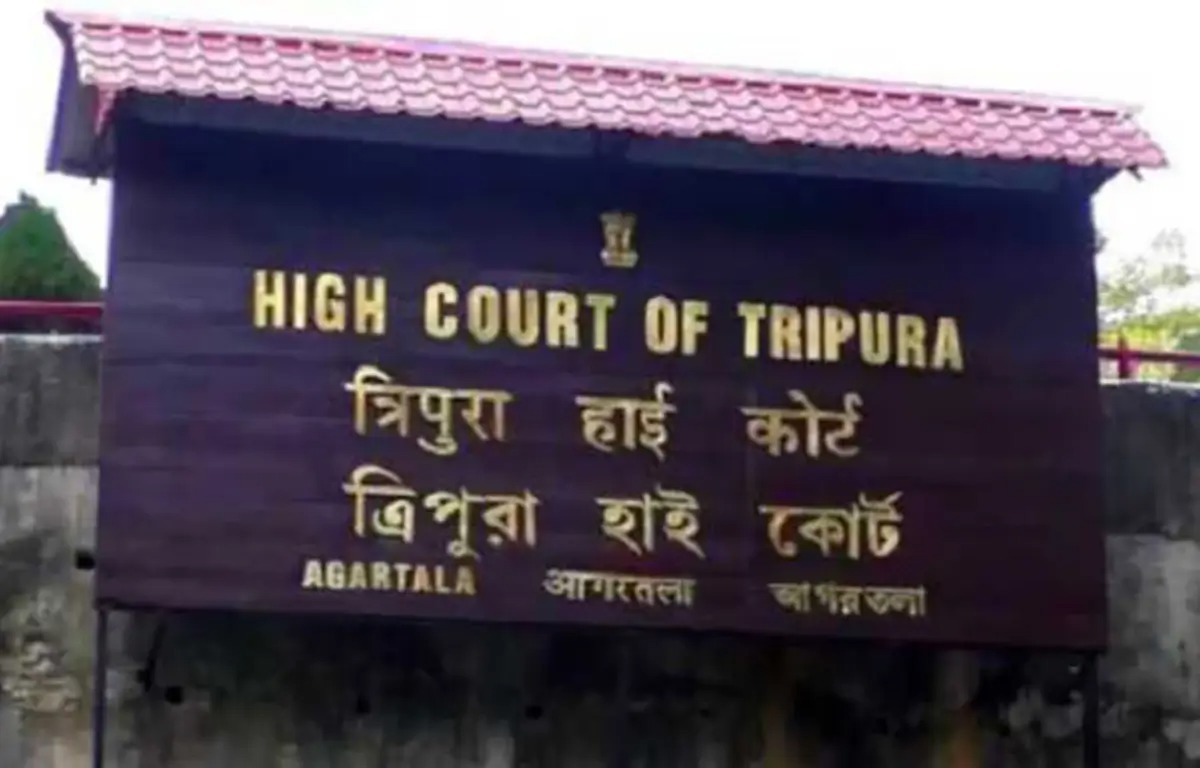
Tripura HC Bars Family Pension for Married Daughter Separated from Husband
Court clarifies only divorced daughters qualify under Revised Pension Rules, 2017
Dependency on father does not override statutory classification of eligible categories
By Our Legal Correspondent
New Delhi: April 10, 2026:
The Tripura High Court has ruled that a married daughter separated from her husband is not entitled to family pension under the Tripura State Civil Services (Revised Pension) Rules, 2017. Only divorced, widowed, or unmarried daughters qualify, reinforcing the strict statutory interpretation of pension entitlements.
To explore key legal precedents on wills and probate disputes, refer to this comprehensive collection of Supreme Court judgments on wills .
This judgment underscores the importance of statutory clarity in pension entitlements and highlights the judiciary’s refusal to expand benefits beyond the express language of the rules.
Key Legal Principles Highlighted
1. Tripura State Civil Services (Revised Pension) Rules, 2017
- Rule 8 specifies eligible categories for family pension: unmarried, widowed, divorced daughters, and disabled children.
- Married daughters separated from husbands are not included.
2. Condition Precedent for Entitlement
- The daughter must be divorced at the time of the pensioner’s death.
- Pension rights accrue only upon the death of the pensioner or spouse, not retrospectively.
3. Office Memo (July 19, 2017)
- Clarifies that if divorce proceedings were initiated during the pensioner’s lifetime but finalized after death, the daughter may still qualify.
- However, this does not extend to cases of mere separation without divorce.
4. Judicial Reasoning
- The Court held that dependency on the father does not override statutory rules.
- Article 226 jurisdiction cannot be used to rewrite pension rules or expand categories.
[RECOMMENDED RESEARCH RESOURCES]
📘 Legal professionals and students alike will benefit from Will Writing Simplified, which covers procedure and case law in detail.
🔹 Buy "Will Writing Simplified" online: Amazon | Flipkart
Analytical Insights
- Strict Statutory Interpretation: The Court emphasized that pension rules cannot be stretched to include categories not expressly mentioned.
- Dependency vs. Legal Status: Even if a daughter is dependent on her father, her marital status at the time of his death determines eligibility.
- Policy Implications: This ruling may prompt calls for legislative reform to include separated daughters, but courts remain bound by existing rules.
- Judicial Restraint: The Court refused to treat the case as discrimination, noting that pension benefits are limited to specified categories.
Detailed FAQ for Quick Understanding
Q1. Who is eligible for family pension under Tripura Revised Pension Rules, 2017?
Unmarried daughters, widowed daughters, divorced daughters, and disabled children.
Q2. Is a married daughter separated from her husband eligible?
No. The rules do not recognize separation without divorce as a valid category.
Q3. What if divorce proceedings were pending during the pensioner’s lifetime?
If initiated before the pensioner’s death, the daughter may qualify even if divorce is finalized later.
Q4. Does dependency on the father matter?
No. Legal marital status at the time of death is decisive, not dependency.
Q5. Can courts expand pension eligibility under Article 226?
No. Courts cannot rewrite statutory rules; only the legislature can amend them.
Q6. What was the petitioner’s situation in this case?
She was married and separated at the time of her father’s death, later divorced. The Court held she was not eligible.