
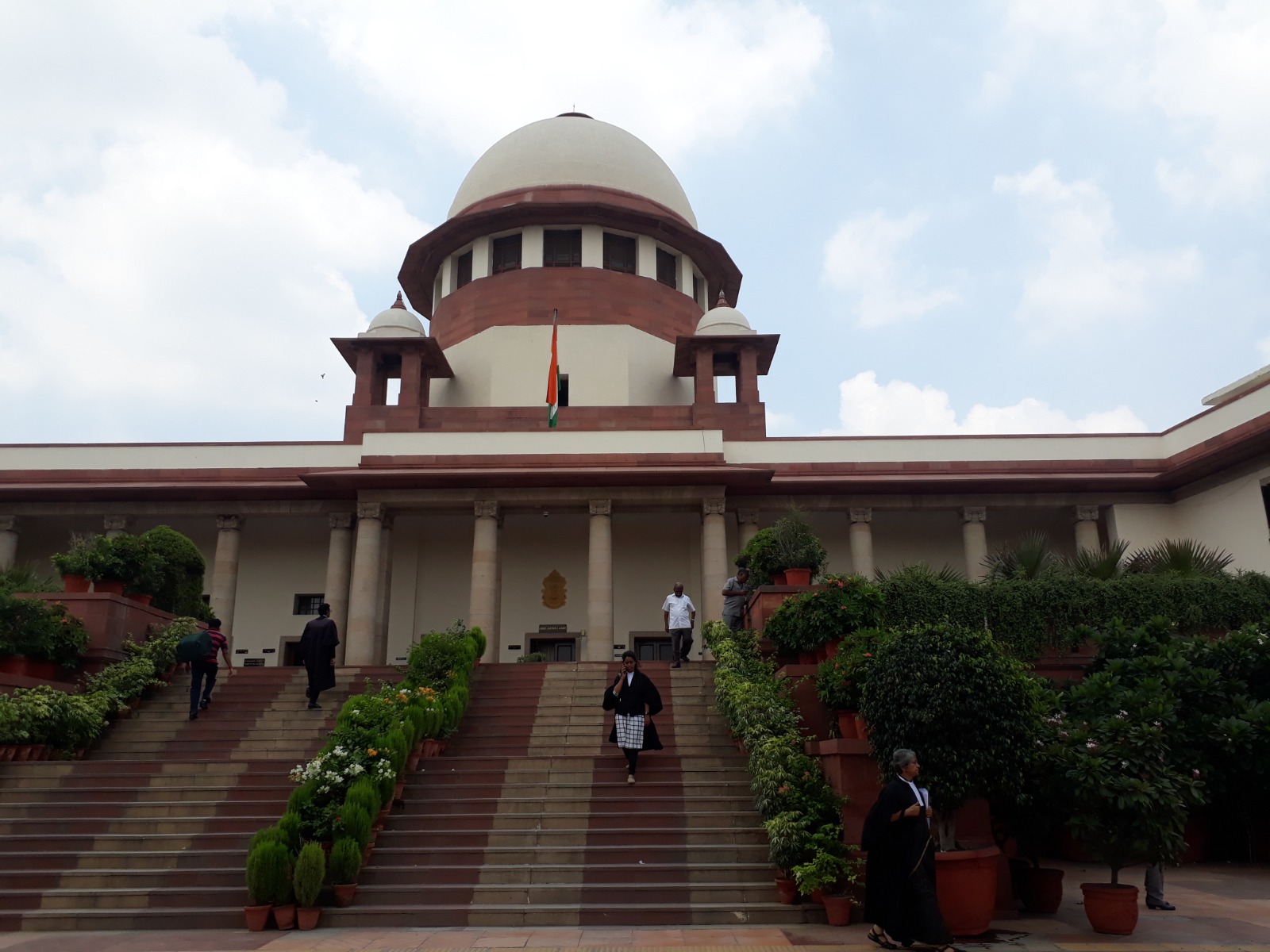
Supreme Court Draws Line Between Transfer and Cadre Change in Uttarakhand Case
Structural vs. Administrative: Cadre change alters service identity, unlike routine transfers.
Employee Rights Upheld: Option, domicile, and medical hardship recognized as valid grounds.
By Legal Reporter
New Delhi: April 23, 2026:
The Supreme Court’s April 2026 ruling clarifies a crucial distinction between “transfer” and “cadre change,” holding that cadre reallocation is a structural shift in service identity, not a mere posting adjustment. This decision, rooted in DoPT guidelines and service law principles, protects employee rights in state reorganization disputes and sets a precedent for future cadre allocation cases.
In a landmark judgment delivered on April 22, 2026, the Supreme Court of India resolved a long-pending dispute involving cadre reallocation between Uttar Pradesh and Uttarakhand. The case, Rajendra Singh Bora v. Union of India & Ors., highlights the difference between transfer and cadre change, a distinction with far-reaching implications for public service law.
Background
The appellant, Rajendra Singh Bora, had appeared for the Combined Lower Subordinate Service Examination in 1995, opting for the “hill area of Uttar Pradesh” (now Uttarakhand). Despite qualifying, his appointment was delayed due to technical objections. After years of litigation, he was appointed in 2011 with notional effect from 1997. His repeated requests for cadre reallocation to Uttarakhand were rejected, and the Allahabad High Court dismissed his plea in 2018.
Supreme Court’s Analysis
A Bench of Justices Sanjay Karol and Nongmeikapam Kotiswar Singh overturned the High Court’s ruling, emphasizing:
- Transfer vs. Cadre Change:
- Transfer is a change in posting within the same cadre.
- Cadre change alters the service framework, affecting seniority, promotions, and service conditions.
- Criteria for Cadre Allocation (DoPT Guidelines):
- Option exercised by candidate
- Domicile of the employee
- Juniority (reverse order of seniority)
- Medical Hardship Exception:
The appellant’s son suffers from cognitive disability, qualifying under exceptions for family members with mental illness.
Observations on State Apathy
The Court expressed anguish at the 22-year delay, criticizing Uttar Pradesh’s indifference. Justice Karol noted that the appellant spent decades away from family support despite clear eligibility.
The Decision
- The Supreme Court directed immediate reallocation to Uttarakhand, protecting seniority and benefits.
- Costs of ₹1,00,000 were imposed on the State of Uttar Pradesh.
- The Chief Justice of the High Court was urged to expedite long-pending service disputes.
Comparative Analysis: Transfer vs. Cadre Change
| Aspect | Transfer | Cadre Change |
|---|---|---|
| Definition | Posting shift within same cadre | Movement to a different cadre |
| Impact | Administrative convenience | Alters service identity, seniority, promotions |
| Legal Basis | Service rules | DoPT guidelines, cadre allocation policy |
| Example | Posting from Lucknow to Kanpur | Reallocation from UP cadre to Uttarakhand cadre |
Likely Impact of the Judgment
- For Employees: Greater clarity on rights during state reorganizations; recognition of domicile and hardship.
- For States: Need to respect DoPT guidelines and avoid prolonged disputes.
- For Judiciary: Reinforces principle that service disputes must be resolved expeditiously.
- For Policy: Establishes precedent for distinguishing routine transfers from cadre reallocation, ensuring fairness.
Editorial Perspective
This ruling is not just about one employee—it is a systemic correction. By distinguishing transfer from cadre change, the Court has safeguarded the integrity of service law. It underscores that cadre allocation is a matter of legal entitlement, not administrative discretion, especially in cases involving state reorganization and personal hardship.
[RESEARCH RESOURCES]
BUY & READ THE BOOK, WILL WRITING SIMPLIFIED, By Dr Ravinder Kumar Anand. [📘 Buy Will Writing Simplified online: Amazon | Flipkart ]
FAQs for Quick Understanding
Q1. What is the difference between transfer and cadre change?
A: Transfer is a posting shift within the same cadre; cadre change moves an employee to a different cadre, altering service identity.
Q2. Which laws govern cadre allocation?
A: The Department of Personnel and Training (DoPT) guidelines, framed under the Constitution and service rules, govern cadre allocation.
Q3. What criteria are used for cadre allocation?
A: Option exercised, domicile, and juniority (reverse order of seniority).
Q4. Can medical hardship influence cadre allocation?
A: Yes. Exceptions exist for employees with family members suffering from mental illness or disability.
Q5. What did the Supreme Court decide in this case?
A: It ordered immediate reallocation to Uttarakhand, protected seniority, and imposed costs on Uttar Pradesh.
Q6. Why did the Court criticize the State?
A: For 22 years of delay and apathy, depriving the appellant of family support and rightful allocation.
Q7. What precedent does this set?
A: It clarifies that cadre change is a structural shift, not a routine transfer, ensuring fairness in service law.
Conclusion
The Supreme Court’s ruling in Rajendra Singh Bora v. Union of India is a milestone in service jurisprudence, clarifying the legal distinction between transfer and cadre change. By recognizing option, domicile, and medical hardship, the Court has reinforced employee rights and accountability in cadre allocation. This judgment will resonate across future disputes, ensuring that cadre reallocation is treated as a matter of justice, not administrative convenience.