
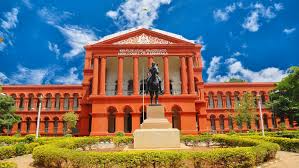
Karnataka HC: Tourist Visa Cannot Be Misused for Business, French National Ordered to Leave India
Court Reiterates Limits of Tourist Visa
Immigration Law and Judicial Oversight
By Our Legal Correspondent
New Delhi: April 09, 2026:
The Karnataka High Court recently dealt with a petition filed by a French national who had been served a notice to leave India. The individual had entered India on a tourist visa but was allegedly engaging in activities beyond the scope of such a visa. The case raised important questions about the scope of tourist visas, immigration law enforcement, and judicial oversight in matters of foreign nationals residing in India.
Key principles on testamentary disputes and proof of wills are discussed in this Supreme Court judgment on proof of will and suspicious circumstances in Gurdev Kaur and Others Vs Kaki and Others.
Key Legal Provisions Discussed
- Tourist Visa Conditions (Ministry of Home Affairs Guidelines):
- Tourist visas are strictly for recreation, sightseeing, casual visits to meet friends or relatives, and short-term yoga programs.
- They do not permit business activities, employment, or long-term study.
- Violation of visa conditions can lead to cancellation and deportation.
- Foreigners Act, 1946:
- Govern entry, stay, and exit of foreign nationals in India.
- Section 3 empowers the Central Government to regulate foreigners’ presence and activities.
- Section 14 prescribes penalties for violation of visa conditions, including imprisonment and fines.
- Immigration Rules and Enforcement:
- Local police and Foreigners Regional Registration Offices (FRRO) monitor compliance.
- Notices to leave India are issued when violations are detected.
- Judicial Oversight:
- High Courts can review administrative orders under Article 226 of the Constitution.
- Courts balance individual rights with national security and immigration control.
Court’s Observations
The Karnataka High Court emphasized:
- Scope of Tourist Visa: A tourist visa cannot be used for business or employment. Any deviation amounts to violation of immigration law.
- Authority of FRRO: Immigration authorities are empowered to issue notices directing foreign nationals to leave India if visa conditions are breached.
- Judicial Role: Courts will not interfere unless the notice is arbitrary or violates principles of natural justice.
- National Interest: Immigration control is a matter of sovereignty; compliance with visa conditions is non-negotiable.
Implications of the Judgment
- For Foreign Nationals: Strict adherence to visa conditions is essential. Misuse can lead to deportation and blacklisting.
- For Immigration Authorities: Reinforces their authority to act against violations swiftly.
- For Indian Businesses: They must ensure foreign collaborators or employees have appropriate visas (business or employment visas).
- For Legal Practitioners: Highlights the importance of advising clients on correct visa categories and compliance.
Practical Takeaways
- Tourist Visa Limitations: Cannot be used for business meetings, employment, or long-term projects.
- Correct Visa Categories:
- Business Visa: For attending meetings, exploring partnerships, or trade activities.
- Employment Visa: For working in India with proper contracts and approvals.
- Student Visa: For pursuing academic courses.
- Documentation: Foreign nationals must maintain valid passports, visas, and comply with FRRO registration requirements if staying beyond stipulated periods.
- Legal Remedies: Notices can be challenged in High Courts, but only on grounds of arbitrariness or violation of due process.
Broader Legal Context
This case underscores the intersection of immigration law and constitutional rights. While foreign nationals enjoy certain protections under Indian law, their stay is conditional upon compliance with visa rules. Courts have consistently upheld the principle that national interest and sovereignty outweigh individual convenience in immigration matters.
[RECOMMENDED RESEARCH RESOURCES]
📘 Legal professionals and students alike will benefit from Will Writing Simplified, which covers procedure and case law in detail.
🔹 Buy "Will Writing Simplified" online: Amazon | Flipkart
Access all probate cases here. Click the link here: https://www.courtkutchehry.com/pages/blog/123-supreme-court-judgments-on-wills/
FAQs
Q1: What activities are allowed on a tourist visa in India?
Tourist visas permit recreation, sightseeing, casual visits, and short-term yoga programs. Business or employment is not allowed.
Q2: What happens if a tourist visa is misused?
Authorities can cancel the visa, issue a notice to leave India, and impose penalties under the Foreigners Act.
Q3: Can a foreign national challenge a deportation notice?
Yes, they can approach the High Court under Article 226, but courts intervene only if the order is arbitrary or violates natural justice.
Q4: What is the difference between a tourist visa and a business visa?
A tourist visa is for leisure and casual visits, while a business visa allows participation in trade, meetings, and partnerships.
Q5: What powers do immigration authorities have under the Foreigners Act?
They can regulate entry, stay, and exit of foreigners, cancel visas, and order deportation for violations.
Q6: Does overstaying a visa also attract penalties?
Yes. Overstaying is a violation under Section 14 of the Foreigners Act and can lead to fines, imprisonment, and deportation.
Q7: Why is this judgment significant?
It reinforces that visa misuse cannot be tolerated and highlights the importance of compliance with immigration laws.