
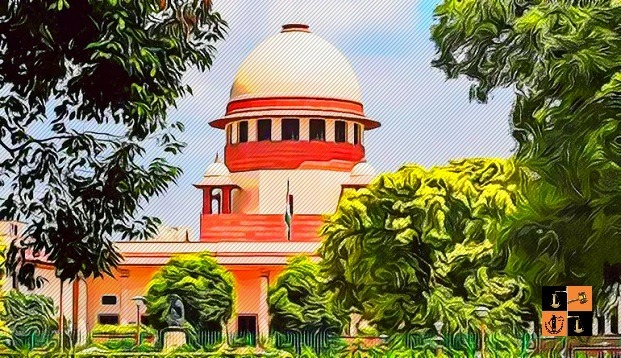
Supreme Court Warns: Disobedient Litigants Must Face Strict Action
Government authorities criticised for ignoring court orders
Contempt excuses like ‘administrative hurdles’ rejected
By Legal Reporter
New Delhi: March 07, 2026:
Also Read: DRT Orders Karur Vysya Bank Recovery of ₹99 Lakh from Defaulting Borrower
In a strong message to litigants across India, the Supreme Court has directed that courts must adopt a strict approach towards those who disobey judicial orders. The ruling, delivered by a bench of Justice Ahsanuddin Amanullah and Justice R. Mahadevan, comes amid repeated instances of government departments and litigants failing to comply with directions, instead filing appeals or review petitions to delay contempt proceedings.
Background of the Case
- The Court was hearing matters where government authorities had failed to implement orders within prescribed timelines.
- Instead of compliance, authorities often filed appeals or review petitions when contempt proceedings were initiated.
- The bench criticised this practice, warning that such conduct erodes public faith in the judiciary.
Also Read: Delhi High Court Quashes Attempt-to-Murder Case, Calls Mother–Child Bond Sacrosanct
[Legal Resources]
📘 Legal professionals and students alike will benefit from Will Writing Simplified, which covers procedure and case law in detail.
🔹 Buy on Amazon
🔹 Buy on Flipkart
Key Observations by the Supreme Court
- Strict Approach Needed: Courts must deal harshly with disobedient litigants to preserve judicial authority.
- No Excuses Allowed: Defences such as “administrative hurdles” or “impossibility of compliance” are invalid unless difficulties were explained to the court within the given time.
- Delayed Appeals Not Acceptable: Filing appeals or reviews at the last moment should be the exception, not the norm.
- Public Confidence: The Court emphasised that failure to enforce orders undermines the credibility of the justice system.
Also Read: Karnataka High Court Denies Custody to Mother Accused in Prostitution Racket
Legal Significance
- Strengthens Contempt Law: Reinforces that contempt proceedings are not to be diluted by speculative defences.
- Accountability for Government: Government departments, often the biggest defaulters, are now under stricter judicial scrutiny.
- Guidance for Lower Courts: The ruling sets a precedent for trial courts and high courts to adopt a firm stance against non-compliance.
Implications
- For Government Authorities: They must ensure timely compliance with court orders or face contempt action.
- For Private Litigants: The ruling discourages delaying tactics and enforces respect for judicial directions.
- For Judiciary: Strengthens the authority of courts and ensures smoother enforcement of judgments.
Expert Reactions
Legal experts have welcomed the ruling, noting that it will curb the growing trend of litigants ignoring court orders. Critics argue that while strictness is necessary, courts must also balance genuine difficulties faced by departments in implementing complex orders.
Also Read: MP High Court Orders Enquiry Against Trial Judge Over Non-Compliance
Conclusion
The Supreme Court’s directive is a landmark in reinforcing judicial discipline. By insisting that disobedient litigants be dealt with firmly, the Court has sent a clear message: compliance with judicial orders is non-negotiable. This ruling will shape future contempt proceedings and strengthen public trust in India’s judiciary.
Keywords for Faster Searches
- Supreme Court disobedient litigants ruling
- Contempt of court India 2026
- Administrative hurdles contempt defence
- Justice Amanullah Mahadevan Supreme Court
- Government authorities ignoring court orders
- Supreme Court iron hand contempt ruling
- Judicial compliance India Supreme Court
Also Read: RBI Caps Digital Fraud Claims at ₹50,000: Banks Must Prove Customer Liability