
Special Courts Under Strain: Supreme Court Sounds Alarm
Judges overloaded with dual responsibilities
States asked to assess need for more exclusive courts
By Legal Reporter
New Delhi: April 21, 2026:
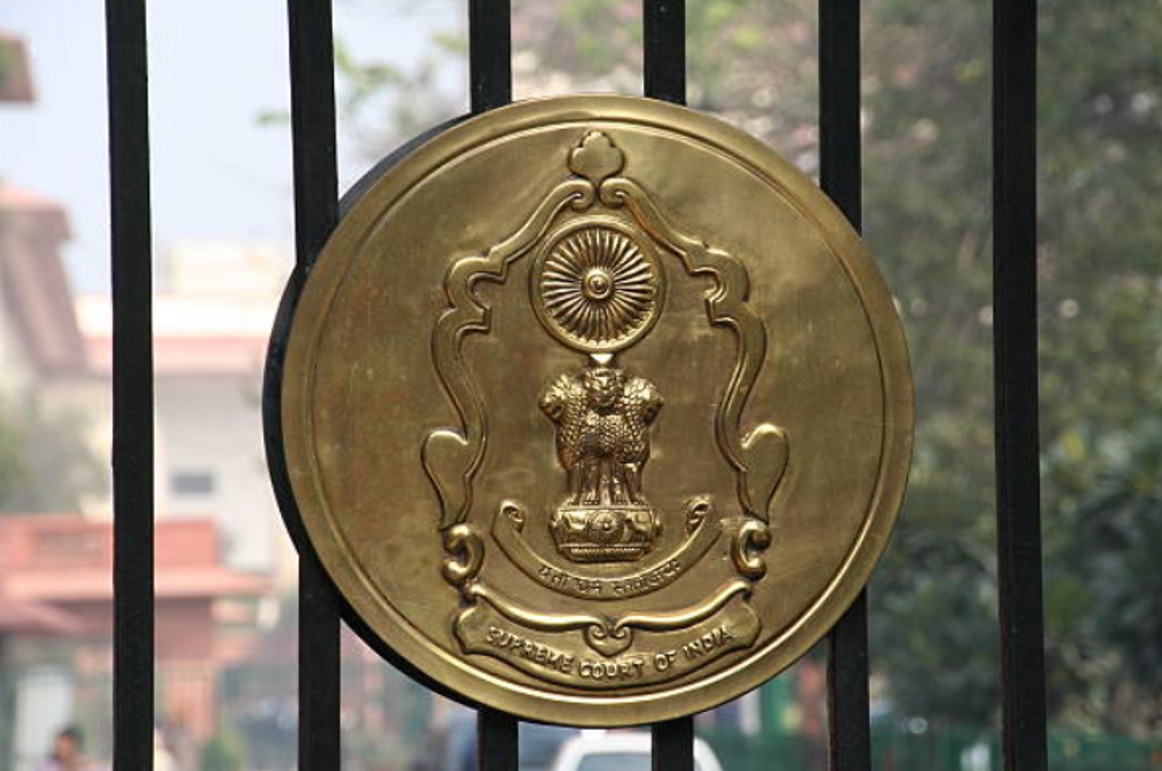
The Supreme Court of India has sharply criticized the functioning of special courts, calling them a “mockery” due to overburdened judges handling both special law cases and routine matters. The Court emphasized that exclusive benches for UAPA and NDPS cases must be set up, with states directed to provide data on pendency and infrastructure needs.
Analytical Overview
Context
- Special courts were created to handle cases under specific statutes like the Unlawful Activities (Prevention) Act (UAPA) and the Narcotic Drugs and Psychotropic Substances Act (NDPS).
- The intent was to ensure speedy trials in sensitive matters involving national security and narcotics.
Supreme Court’s Concerns
- Judges designated to special courts are simultaneously handling ordinary civil and criminal cases, diluting their focus.
- This dual burden has led to massive delays, undermining the very purpose of setting up special courts.
- The Court noted that pendency in UAPA and NDPS cases is alarmingly high, with trials dragging on for years.
[Explore complete will law judgments here. Click the link here: https://www.courtkutchehry.com/pages/blog/123-supreme-court-judgments-on-wills/]
Directions Issued
- States must submit data on:
- Pending UAPA and NDPS cases.
- Number of additional courts required.
- Infrastructure and staffing needs.
- Exclusive jurisdiction: Judges of special courts should deal only with special law cases, not routine matters.
- Systemic reform: The Court hinted at the need for structural changes to prevent backlog from worsening.
Legal Framework
- UAPA (1967): Provides for special courts under Section 11 to expedite terrorism-related trials.
- NDPS Act (1985): Section 36 establishes special courts for narcotics cases.
- Both statutes emphasize speedy disposal, but in practice, delays have eroded effectiveness.
Implications
- For accused persons: Prolonged incarceration without trial violates fundamental rights under Article 21 (Right to Life and Liberty).
- For justice delivery: Delays weaken deterrence and public confidence in the judicial system.
- For states: They must allocate resources to create exclusive courts, appoint judges, and provide infrastructure.
Comparison Table: Current vs Proposed System
| Aspect | Current Practice | Supreme Court’s Directive |
| Judge workload | Handles both special law and routine cases | Exclusive focus on UAPA/NDPS |
| Case pendency | High, trials delayed for years | Aim for faster disposal |
| Infrastructure | Inadequate, uneven across states | States to assess and expand |
| Legal intent | Speedy trial (often unmet) | Reinforced by SC directive |
[RESEARCH RESOURCES]
BUY & READ THE BOOK, WILL WRITING SIMPLIFIED, By Dr Ravinder Kumar Anand. [📘 Buy Will Writing Simplified online: Amazon | Flipkart ]
FAQs on Special Courts and Supreme Court’s Observations
Q1. What are special courts?
Courts designated to hear cases under specific laws like UAPA and NDPS, meant to ensure speedy trials.
Q2. Why did the Supreme Court call them a “mockery”?
Because judges are overloaded with both special law cases and routine matters, defeating the purpose of exclusivity.
Q3. Which laws mandate special courts?
- UAPA (1967) – Section 11.
- NDPS Act (1985) – Section 36.
Q4. What directions has the Supreme Court given?
States must provide data on pendency, infrastructure, and the number of additional courts required. Judges must focus only on special law cases.
Q5. How does this affect accused persons?
Delays in trials mean prolonged detention, raising concerns under Article 21 of the Constitution.
Q6. What is expected from states now?
To set up more exclusive special courts, appoint judges, and ensure adequate infrastructure.
Q7. Does this ruling apply to all special courts?
Primarily to UAPA and NDPS courts, but the principle of exclusivity may extend to other special statutes.
Key Takeaway
- The Supreme Court has reaffirmed the constitutional mandate of speedy justice, warning that overburdened special courts undermine rights and effectiveness.
- States must act quickly to expand infrastructure and appoint exclusive judges.
- This marks a significant step toward addressing India’s judicial backlog and restoring faith in special law enforcement.