
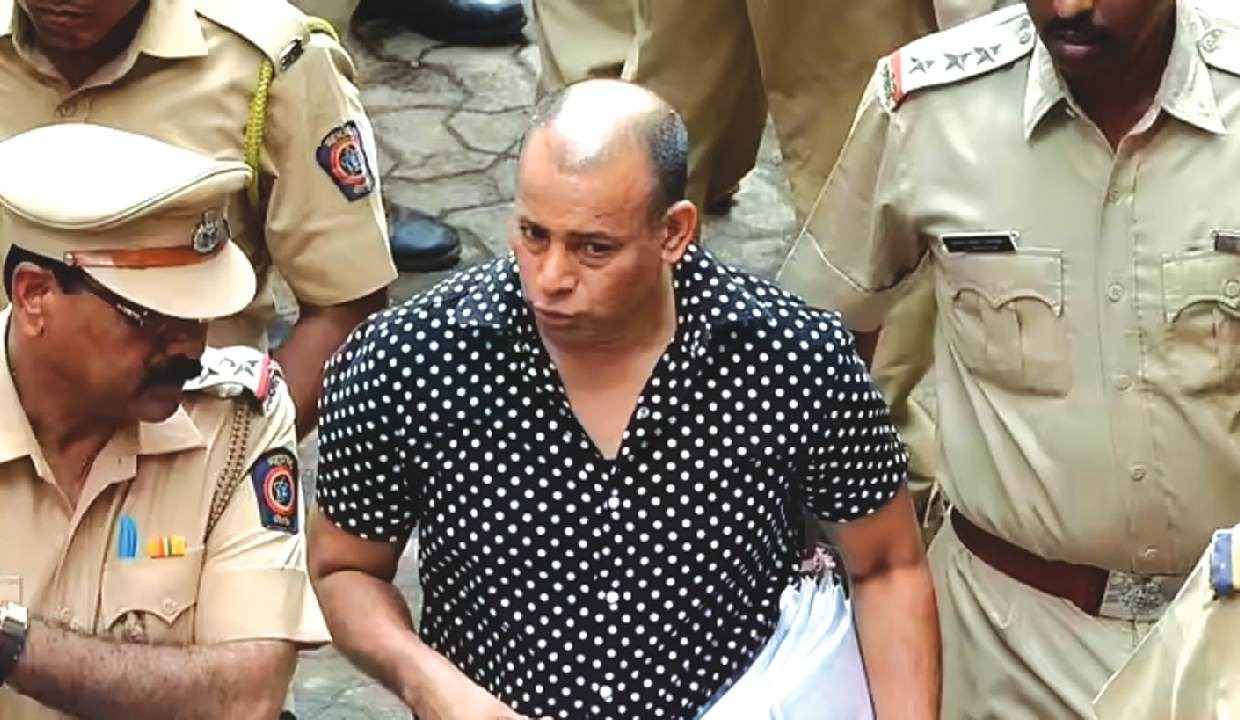
Supreme Court Rejects Abu Salem’s Plea for Release, Rules 25-Year Sentence Not Yet Complete
Court clarifies extradition terms with Portugal apply to actual imprisonment, not remission
Gangster convicted in 1993 Mumbai blasts told to approach Bombay High Court for relief
By Legal Reporter
New Delhi: February 20, 2026:
The Supreme Court of India has dismissed a plea filed by gangster Abu Salem, who sought premature release on the grounds that he had completed 25 years of imprisonment. Salem, convicted in the 1993 Mumbai serial bomb blasts case, argued that his continued incarceration violated the terms of his extradition from Portugal, which capped his sentence at 25 years. The apex court, however, ruled that the 25-year limit applies to actual imprisonment and does not include remission earned for good conduct.
Also Read: United Breweries Secures Sound Mark for Iconic Kingfisher Jingle “Oo La La La Le O”
Background of the Case
- Abu Salem was extradited from Portugal in 2005 after a prolonged legal battle.
- As part of the extradition treaty, India assured Portugal that Salem would not face the death penalty and would not be imprisoned for more than 25 years.
- In 2017, a special TADA court sentenced him to life imprisonment for his role in the 1993 blasts, which killed over 250 people and injured more than 700.
- Salem filed a plea claiming that his sentence should be considered complete, factoring in 3 years and 16 days of remission earned for good conduct.
Supreme Court’s Observations
- A bench of Justices Vikram Nath and Sandeep Mehta rejected Salem’s plea, ruling that the 25-year cap applies only to actual imprisonment.
- The Court clarified that remission cannot be counted towards the 25-year limit agreed upon with Portugal.
- Salem was granted liberty to approach the Bombay High Court for relief, but the apex court refused to issue urgent directions.
- The Court emphasized that Salem’s conviction under the Terrorist and Disruptive Activities (Prevention) Act (TADA) and his criminal record did not justify special consideration.
Relevant Laws and Provisions
Also Read: India Joins US-Led Pax Silica Pact to Strengthen AI and Semiconductor Supply Chains
- Extradition Treaty (India-Portugal) – Limits punishment to 25 years of actual imprisonment.
- TADA Act (now repealed) – Under which Salem was convicted for conspiracy and aiding terrorism.
- Indian Penal Code (IPC) – Provisions on criminal conspiracy, murder, and terrorism applied in the blasts case.
- Code of Criminal Procedure (CrPC) – Governs remission and premature release, which the Court clarified does not apply to extradition terms.
[Suggested Resource]
Legal professionals and students alike will benefit from Will Writing Simplified, which covers procedure and case law in detail. Amazon 📘 Buy "Will Writing Simplified" online: 🔹 Flipkart
Why This Matters
- For International Law: The ruling clarifies how extradition treaties are interpreted in India, especially regarding sentence limits.
- For Victims’ Families: Ensures continued incarceration of a convict in one of India’s deadliest terror attacks.
- For Legal Precedent: Reinforces that remission benefits cannot override international treaty obligations.
Broader Implications
- Extradition Cases: Sets a precedent for future extraditions, ensuring India honors treaty commitments while maintaining judicial clarity.
- Terrorism Trials: Highlights the judiciary’s firm stance against leniency in terror-related convictions.
- Public Confidence: Reassures citizens that courts prioritize justice and accountability in high-profile cases.
Also Read: Jharkhand High Court Drops Contempt Case Against Advocate After Supreme Court Intervention
Expert Views
Legal experts note that the Supreme Court’s ruling balances India’s treaty obligations with its domestic legal framework. International law specialists emphasize that extradition assurances must be interpreted strictly to maintain credibility in global legal cooperation.
Conclusion
The Supreme Court’s rejection of Abu Salem’s plea for release underscores the judiciary’s commitment to upholding both international treaty obligations and domestic law. By ruling that the 25-year cap applies only to actual imprisonment, the Court has ensured that Salem remains behind bars for his role in the 1993 Mumbai blasts, one of India’s darkest chapters in terrorism.
Keywords for SEO & Faster Searches
Also Read: Calcutta High Court Rules: Maintenance Tribunal Cannot Evict Children Under Senior Citizens Act
- Supreme Court Abu Salem plea rejected
- Abu Salem 25-year imprisonment extradition treaty
- 1993 Mumbai blasts case Supreme Court ruling
- Extradition India Portugal Abu Salem
- TADA conviction Abu Salem Supreme Court
- Remission not counted extradition terms India
- Bombay High Court Abu Salem release plea
Also Read: ED Attaches ₹82 Crore Gurugram Properties in Ansal Hub-83 Real Estate Fraud Case