
One Case, One Data: Supreme Court’s Digital Revolution in Case Management
Seamless integration across Supreme Court, High Courts, and District Courts
New chatbot ‘Su-Sahayak’ launched to assist litigants and lawyers
By Legal Reporter
New Delhi: May 12, 2024:
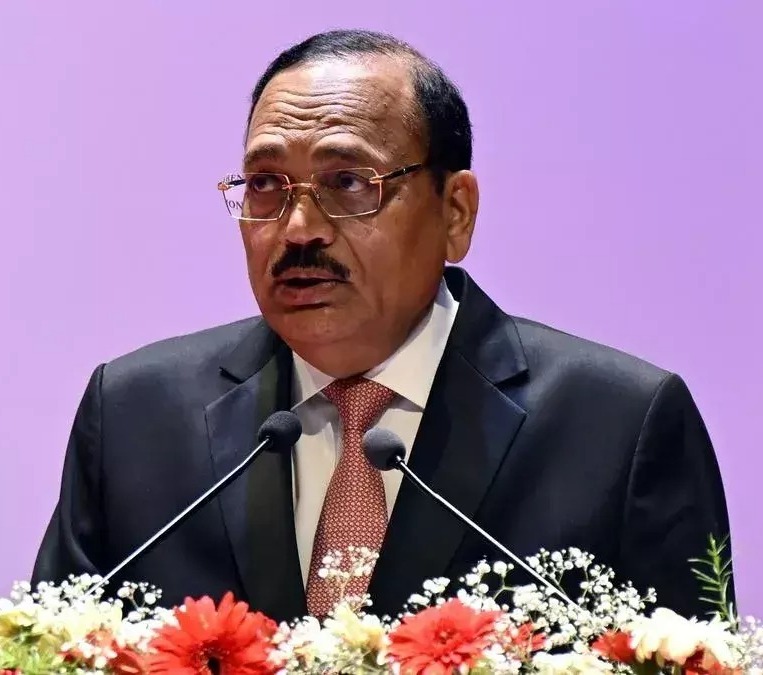
India’s judiciary has taken a major digital leap with the Supreme Court unveiling the “One Case, One Data” system, promising seamless integration of case information across all levels of courts. This initiative, announced by Chief Justice of India Surya Kant, is set to transform case management, transparency, and efficiency in the justice delivery system.
The Supreme Court of India has historically grappled with issues of case backlog, fragmented data, and inefficiencies in judicial administration. On May 11, 2026, Chief Justice of India (CJI) Surya Kant announced the launch of the “One Case, One Data” system, a landmark initiative designed to integrate judicial data across all levels of courts. This reform is not merely technological—it is a structural overhaul of how justice is recorded, tracked, and delivered.
Key Features of the Initiative
- Integrated Judicial Database: For the first time, case data from the Supreme Court, High Courts, District Courts, and Taluka Courts will be unified.
- Automated Data Retrieval: The system will allow real-time verification of case details, reducing duplication and errors.
- Reciprocal Access: High Courts and government departments will gain reciprocal access to case information, ensuring transparency.
- Assistive Chatbot – Su-Sahayak: Developed by the National Informatics Centre (NIC), this chatbot will help litigants, lawyers, and officials navigate case information and court services.
Legal Framework and Rules Referenced
The initiative draws upon several existing legal and administrative frameworks:
- Article 21 of the Constitution of India: Guarantees the right to speedy justice. Digital integration directly supports this constitutional mandate.
- E-Courts Mission Mode Project (2005 onwards): A flagship program under the National e-Governance Plan, aimed at ICT enablement of courts. The new system builds upon this foundation.
- Information Technology Act, 2000: Provides the legal basis for electronic records and digital signatures, crucial for authenticating integrated case data.
- Supreme Court Rules, 2013: These rules govern filing, listing, and case management in the apex court. The new system complements them by ensuring consistency across judicial levels.
- National Judicial Data Grid (NJDG): An existing repository of case statistics. The “One Case, One Data” system enhances NJDG by enabling case-specific integration rather than aggregate statistics.
Analytical Impact
- Efficiency Gains: By eliminating duplication and manual verification, the judiciary can save significant time.
- Transparency & Accountability: Reciprocal access ensures that litigants and government agencies cannot manipulate or conceal case data.
- Reduction in Backlogs: Streamlined case tracking will help courts prioritize and dispose of matters faster.
- Digital Inclusion: The chatbot “Su-Sahayak” democratizes access to case information, particularly for litigants unfamiliar with complex legal procedures.
- Challenges:
- Data Privacy: Integration raises concerns under the Right to Privacy (Justice K.S. Puttaswamy v. Union of India, 2017).
- Infrastructure Gaps: District and Taluka courts in rural areas may lack the digital infrastructure to fully benefit.
- Training Needs: Judges, lawyers, and staff will require training to adapt to the new system.
Conclusion
The “One Case, One Data” initiative is a watershed moment in India’s judicial history. By leveraging technology, the Supreme Court has signalled its commitment to speedy, transparent, and accessible justice. While challenges remain, the integration of judicial data across all levels of courts is a decisive step toward modernizing India’s justice delivery system.
Detailed FAQ for Quick Understanding
Q1: What is the “One Case, One Data” system?
It is a digital initiative by the Supreme Court to integrate case data across all courts in India, enabling seamless access and verification.
Q2: Which courts are covered under this system?
The Supreme Court, High Courts, District Courts, and Taluka Courts.
Q3: How does it differ from the National Judicial Data Grid (NJDG)?
NJDG provides aggregate statistics, while “One Case, One Data” offers case-specific integration, allowing detailed tracking of individual matters.
Q4: What legal basis supports this initiative?
- Article 21 of the Constitution (right to speedy justice)
- IT Act, 2000 (validity of electronic records)
- Supreme Court Rules, 2013 (case management)
- E-Courts Mission Mode Project (ICT enablement of courts)
Q5: What role does the chatbot ‘Su-Sahayak’ play?
It assists litigants and lawyers in accessing case-related information and navigating court services efficiently.
Q6: Will this system help reduce case backlogs?
Yes, by streamlining data retrieval and verification, courts can dispose of cases faster.
Q7: Are there privacy concerns?
Yes, integration must comply with the Right to Privacy judgment (2017) to safeguard sensitive case data.
Q8: How will rural courts benefit?
While infrastructure challenges exist, once digitization spreads, rural courts will gain equal access to integrated case data.
In essence, the “One Case, One Data” system is a bold step toward judicial modernization, aligning India’s courts with global best practices in digital justice delivery.