
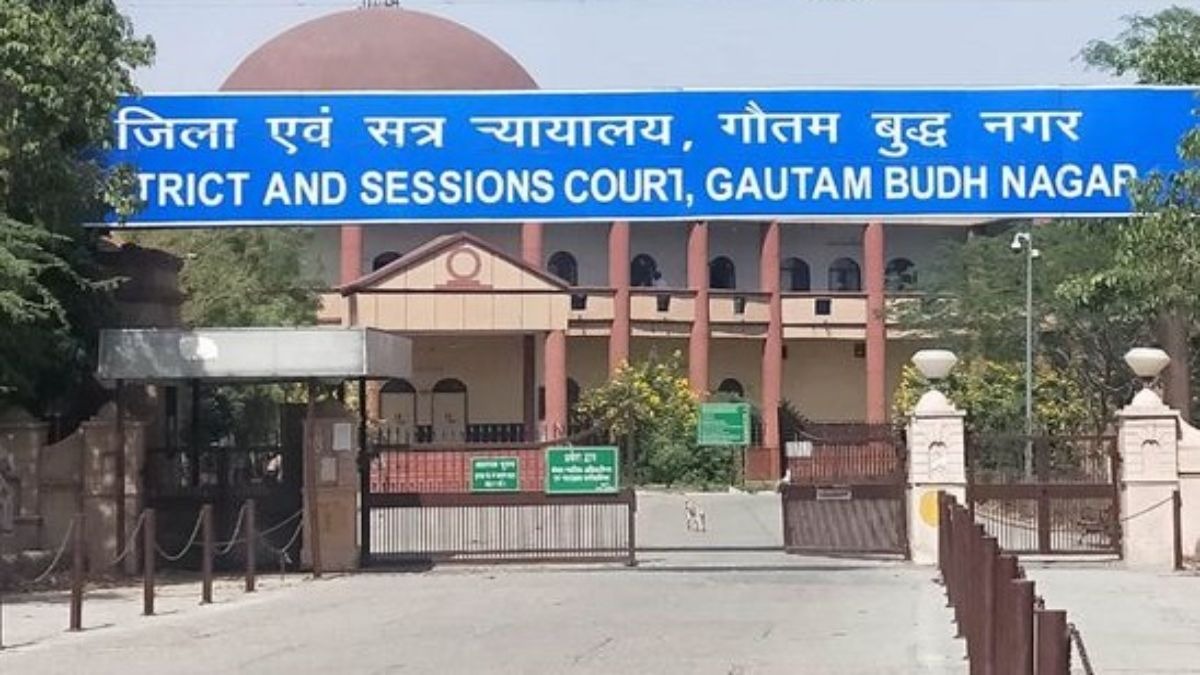
SC Orders Allahabad HC to Act Against Noida Lawyers’ Strikes
Litigants’ rights prioritized over bar association protests
High Court panel empowered to enforce disciplinary measures
By Legal Reporter
New Delhi: May 01, 2026:
The Supreme Court has directed the Allahabad High Court to take immediate disciplinary action against repeated strikes by the Gautam Buddha Nagar (Noida) Bar Association, reaffirming its 2024 ruling that lawyers cannot boycott court proceedings. The apex court emphasized that litigants, as “consumers of justice,” must not suffer due to professional disruptions.
To understand how courts address inheritance disputes within Christian personal law and evaluate succession rights, this notable ruling in Apoline Dsouza vs John Dsouza offers key insights into testamentary succession, property claims, and judicial interpretation of family disputes under Indian law.
Background: Judicial Ban on Lawyers’ Strikes
The Supreme Court has consistently held that lawyers cannot collectively abstain from court work. In its landmark December 2024 judgment (Faizabad Bar Association case), the Court prohibited district bar associations from passing resolutions calling for strikes. This ruling was grounded in the principle that strikes undermine the constitutional right to access justice.
Current Case: Gautam Buddha Nagar Bar Association
Despite the 2024 ban, the Noida Bar Association has repeatedly passed resolutions abstaining from work. These strikes have disrupted court functioning in Gautam Buddha Nagar, leading to adjournments, stalled filings, and delays in urgent matters such as bail hearings and family disputes.
Supreme Court’s Directions (April 30, 2026)
A bench of CJI Surya Kant and Justice Joymalya Bagchi ordered:
- The District and Sessions Judge of Gautam Buddha Nagar must compile details of strike days and submit them to the Registrar General of the Allahabad High Court.
- The Allahabad High Court’s three-judge committee must examine the report and take immediate punitive action against responsible office-bearers.
- The Court reiterated that abstentions are already prohibited and that repeated violations cannot be tolerated.
4. Legal Principles Involved
- Right to Justice: Strikes deny litigants timely hearings, violating Article 21 (Right to Life and Liberty) which includes access to justice.
- Professional Conduct: The Advocates Act, 1961 empowers Bar Councils to regulate professional ethics. Strikes are considered misconduct.
- Judicial Authority: The Supreme Court’s rulings are binding under Article 141 of the Constitution, making abstentions unlawful.
5. Implications
- For Lawyers: Office-bearers of bar associations may face disciplinary action, including suspension or removal.
- For Litigants: The directive ensures uninterrupted court functioning, protecting litigants from delays.
- For Judiciary: Strengthens judicial authority and reinforces the principle that courts cannot be held hostage to professional protests.
6. Wider Context
Lawyers’ strikes have long plagued Uttar Pradesh’s judicial system. The Supreme Court’s intervention signals a systemic crackdown on such practices, ensuring accountability and continuity of judicial services.
FAQ: Lawyers’ Strikes and Legal Rules
Q1. Are lawyers allowed to go on strike in India?
No. The Supreme Court has repeatedly held that lawyers cannot boycott court proceedings. Strikes are considered professional misconduct.
Q2. What was the 2024 Supreme Court ruling?
In December 2024, the Court restrained district bar associations from passing resolutions calling for abstention from work. This ruling is binding nationwide.
Q3. Why did the Supreme Court intervene in Noida?
Because the Gautam Buddha Nagar Bar Association repeatedly ignored the 2024 ruling and continued to call strikes, disrupting court work.
Q4. What action can be taken against bar leaders?
The Allahabad High Court’s committee can impose disciplinary measures, including suspension, removal from office, or referral to the Bar Council for misconduct proceedings.
Q5. How do strikes affect litigants?
Strikes cause adjournments, delay bail hearings, stall civil disputes, and halt registry operations, denying litigants timely justice.
Q6. What constitutional principles are involved?
- Article 21: Right to access justice.
- Article 141: Supreme Court rulings are binding.
- Advocates Act, 1961: Regulates professional conduct.
In summary, the Supreme Court’s latest directive reinforces its zero-tolerance stance on lawyers’ strikes, ensuring litigants’ rights are protected and judicial functioning remains uninterrupted. The Allahabad High Court now bears the responsibility of enforcing compliance and disciplining errant bar leaders.