
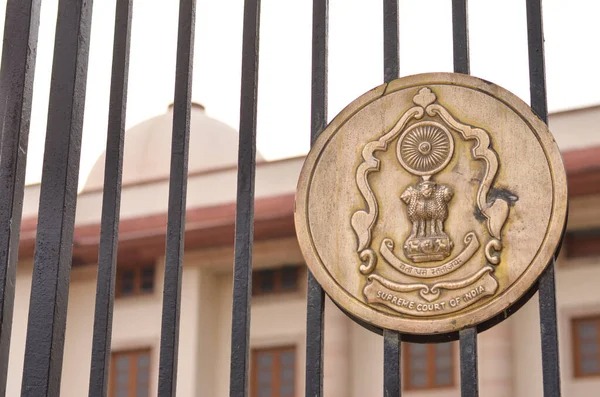
Supreme Court: Indemnity Ends Where Change in Law Begins in Coal Block Cancellation Case
Court clarifies scope of indemnity clauses in contracts
Power firms entitled to compensation after coal block cancellations
By Legal Reporter
New Delhi: March 07, 2026:
Also Read: DRT Orders Karur Vysya Bank Recovery of ₹99 Lakh from Defaulting Borrower
In a landmark judgment delivered on 27 February 2026, the Supreme Court of India clarified the interplay between indemnity clauses and Change in Law provisions in contracts. The case arose from the cancellation of coal blocks in 2014, which disrupted power supply agreements and triggered disputes between Adhunik Power & Natural Resource Ltd. (APNRL) and the West Bengal State Electricity Distribution Company Ltd. (WBSEDCL).
The Court ruled that indemnity clauses cannot operate once a valid “Change in Law” event occurs, thereby entitling power generators to compensation for increased costs.
[Recommended Research Resources]
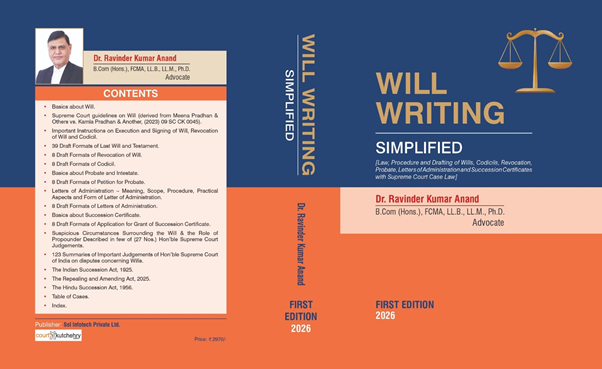
📘 Legal professionals and students alike will benefit from Will Writing Simplified, which covers procedure and case law in detail.
🔹 Buy on Amazon
🔹 Buy on Flipkart
Also Read: Delhi High Court Quashes Attempt-to-Murder Case, Calls Mother–Child Bond Sacrosanct
Background of the Case
- In 2014, the Supreme Court cancelled over 200 coal block allocations, calling them arbitrary and illegal.
- The Ganeshpur captive coal block, allotted to APNRL, was among those cancelled.
- The Coal Mines (Special Provisions) Act, 2015 was enacted to reallocate cancelled blocks.
- APNRL sought compensation under the Change in Law clause (Article 10) of its PPA with WBSEDCL.
- WBSEDCL argued that the indemnity clause (Article 2.5) covered such risks, and no compensation was due.
Supreme Court’s Observations
- Indemnity vs Change in Law: The Court held that indemnity clauses and Change in Law provisions operate in different fields. Indemnity covers commercial risks, while Change in Law addresses statutory or judicial interventions.
- Coal Block Cancellation = Change in Law: The cancellation of coal blocks and subsequent legislation constituted a Change in Law event.
- Compensation Entitlement: APNRL was entitled to compensation from 2014 onwards, but not for higher coal costs incurred before August 25, 2014.
- Constitutional Line: The Court drew a clear line—indemnity ends where statutory intervention begins.
Also Read: Karnataka High Court Denies Custody to Mother Accused in Prostitution Racket
Legal Significance
- Clarifies Contract Law: The ruling provides clarity on how indemnity and Change in Law clauses should be interpreted in commercial contracts.
- Strengthens Power Sector Contracts: Ensures that power generators are compensated for unforeseen legal changes.
- Limits Indemnity Clauses: Prevents misuse of indemnity provisions to deny legitimate compensation.
Implications for the Power Sector
- For Generators: Offers financial relief by allowing compensation for increased costs due to coal block cancellations.
- For Distributors: Ensures contractual obligations are balanced with statutory changes.
- For Future Contracts: Encourages clearer drafting of indemnity and Change in Law clauses to avoid disputes.
Expert Opinions
Legal experts have hailed the ruling as a “constitutional balancing act” that protects both contractual sanctity and statutory authority. Industry analysts believe the judgment will stabilize the power sector by ensuring fair compensation mechanisms.
Also Read: MP High Court Orders Enquiry Against Trial Judge Over Non-Compliance
Conclusion
The Supreme Court’s ruling in the coal block cancellation case is a milestone in Indian contract law. By holding that indemnity ends where Change in Law begins, the Court has reinforced the principle that statutory interventions override contractual risk allocations. This ensures fairness for power companies while maintaining constitutional supremacy.
Keywords for Faster Searches
- Supreme Court coal block cancellation ruling
- Indemnity vs Change in Law India
- Adhunik Power WBSEDCL case
- Coal Mines Special Provisions Act 2015
- Supreme Court compensation power sector
- Change in Law clause PPA India
- Supreme Court contract law ruling 2026
Also Read: RBI Caps Digital Fraud Claims at ₹50,000: Banks Must Prove Customer Liability