
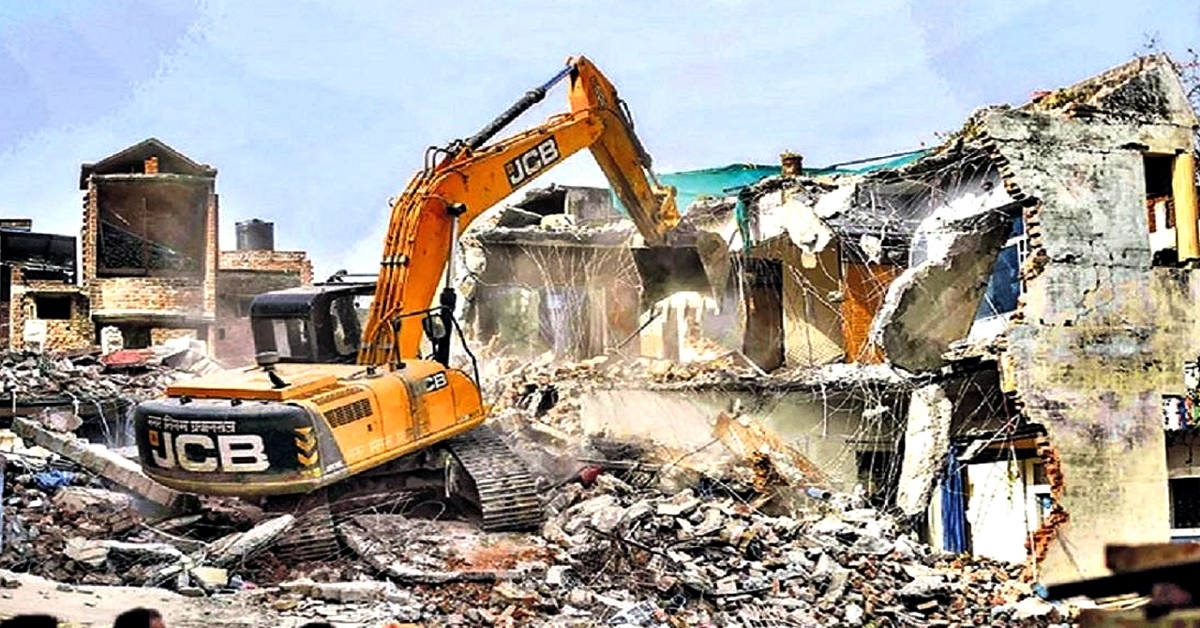
Supreme Court: Demolition of Private Property Requires Clear Legal Grounds and Evidence
Court Sets Aside Calcutta High Court’s Demolition Order in Santiniketan Case
Judges Stress Property Rights Under Article 300-A Must Be Protected
By Our Legal Reporter
New Delhi: January 31, 2026:
In a landmark ruling, the Supreme Court of India has clarified that demolition of private property cannot be ordered without clear statutory backing and site-specific evidence of illegality. The judgment came in response to a Public Interest Litigation (PIL) that challenged the construction of a residential building in Santiniketan, West Bengal, alleging it was built on ecologically sensitive “khoai” land. The apex court found that the Calcutta High Court’s demolition order was based on conjecture and lacked scientific verification.
Also Read: NCDRC Ruling: Hidden Medical History Costs Mumbai Widow ₹78 Lakh in Insurance Claim
Background of the Case
- The dispute arose from a PIL filed against Aarsuday Projects, which had constructed a residential building in Santiniketan.
- The Calcutta High Court in 2013 ordered demolition, citing environmental concerns.
- The Supreme Court bench of Justices Vikram Nath and Sandeep Mehta reviewed the case and found no material evidence proving illegality.
- The Court held that demolition is an extreme measure and cannot be ordered without statutory authority and reliable evidence.
Key Highlights of the Judgment
- Property rights protected: Article 300-A guarantees that no person shall be deprived of property except by authority of law.
- Demolition requires statutory foundation: Orders must be backed by clear legal provisions and evidence.
- Public interest litigation limits: PILs cannot be used for selective or targeted challenges without proper evidence.
- Scientific verification needed: Courts must rely on cogent, site-specific, and scientific reports before ordering demolition.
[Recommended Resource for Legal Understanding]
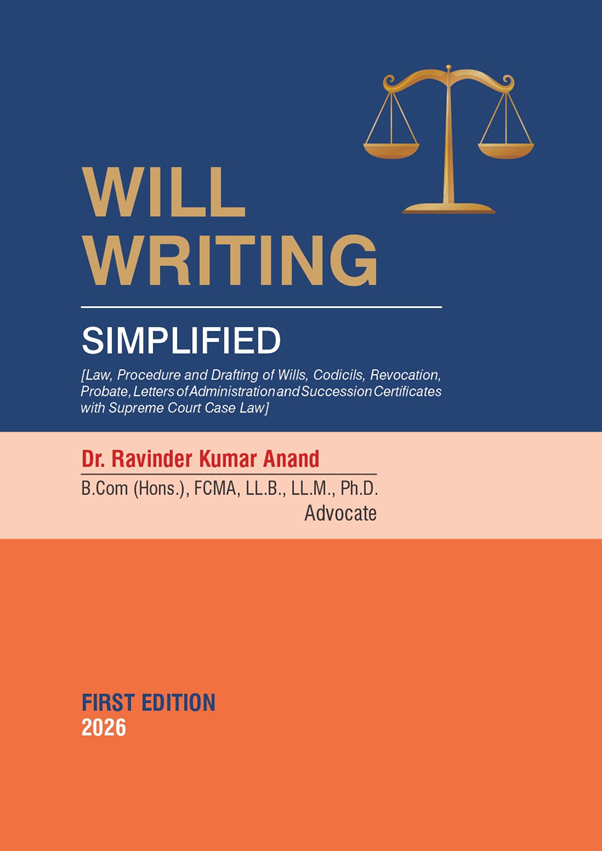
Property Disputes is the most common legal cases in courts. To avoid any legal trouble, one should arm themselves with basic laws governing property ownerships and transfers. If you want practical guidance on drafting wills, codicils, and probate procedures, Will Writing Simplified is an invaluable resource. It provides clear explanations of Indian succession laws and Supreme Court case references. You can purchase the book by simply clicking on the link below.
Also Read: Karnataka High Court Upholds Ban on Spouse Entry in Ultrasound Rooms
Broader Legal and Social Implications
- Strengthening property rights: The ruling reinforces constitutional protection against arbitrary state action.
- Impact on urban development: Builders and developers gain clarity that demolition cannot be ordered without due process.
- Environmental concerns balanced: While ecological protection is important, courts must ensure evidence-based decisions.
- Guidance for future PILs: Petitioners must present strong scientific and legal grounds before seeking demolition orders.
Expert Opinions
Legal experts welcomed the ruling, noting that it prevents misuse of PILs and protects property owners from arbitrary actions. Environmental activists, however, stressed that the judgment should not weaken genuine efforts to protect ecologically sensitive areas.
Also Read: Delhi Case Shows Why AI Health Advice Must Be Taken with Caution
Practical Advice for Citizens
- Ensure proper approvals: Builders and homeowners must secure statutory permissions before construction.
- Maintain documentation: Title deeds, environmental clearances, and municipal approvals are critical.
- Challenge arbitrary orders: Property owners can approach higher courts if demolition orders lack evidence.
- Balance development with ecology: Citizens should support sustainable construction practices.
Conclusion
The Supreme Court’s ruling that demolition of private property must rest on clear statutory grounds and reliable evidence is a significant step in protecting property rights under Article 300-A. By setting aside the Calcutta High Court’s demolition order, the Court has reinforced the principle that judicial orders must be based on law and facts, not conjecture. This judgment will serve as a precedent for future property disputes, ensuring fairness and due process in matters involving demolition.
Suggested Keywords for Faster Searches
- Supreme Court demolition private property judgment
- Santiniketan building demolition case
- Article 300-A property rights India
- Demolition statutory grounds Supreme Court
- PIL misuse property demolition India
- Calcutta High Court demolition order set aside
- Will Writing Simplified book probate guidance
Also Read: Karnataka High Court Flags Dangerous Trend of Criminal Cases Against Opposing Lawyers