

Supreme Court Upholds Restrictions on Christian Missionaries in Chhattisgarh Tribal Villages
Court Backs Gram Sabha Powers Under PESA Act
Focus on Protecting Tribal Identity and Social Harmony
By Legal Reporter
New Delhi: February 17, 2026:
In a ruling that highlights the delicate balance between religious freedom and tribal autonomy, the Supreme Court of India has dismissed a plea challenging restrictions on the entry of Christian missionaries into tribal villages in Chhattisgarh. The decision, delivered on February 16, 2026, affirms the powers of local gram sabhas under the Panchayats (Extension to Scheduled Areas) Act, 1996 (PESA) to regulate activities within their communities.
The Case: Digbal Tandi vs. State of Chhattisgarh
The petition, filed by social activist Digbal Tandi, sought to overturn restrictions imposed by gram sabhas in several tribal villages. These restrictions included hoardings and notices barring Christian pastors and missionaries from entering villages, citing concerns over alleged forced conversions.
A bench of Justices Vikram Nath and Sandeep Mehta upheld the Chhattisgarh High Court’s earlier order, which had recognized the gram sabhas’ authority to take measures aimed at preserving tribal culture and preventing social disharmony.
Key Observations by the Court
The Supreme Court noted:
- Gram sabhas acted within their statutory powers under PESA.
- Concerns about inducement and manipulation in religious conversions were valid.
- Protecting tribal identity and cultural heritage is a legitimate objective.
- Petitioners could approach statutory authorities for redress instead of seeking blanket judicial intervention.
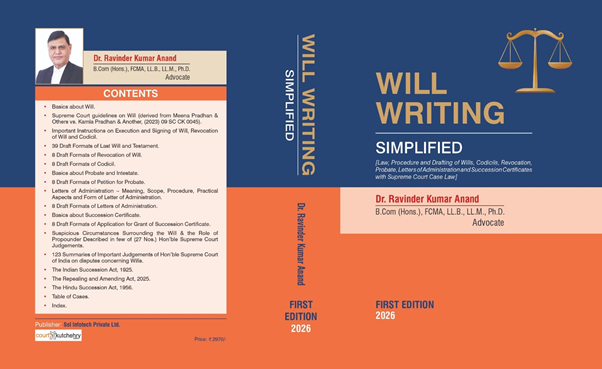
[💡 If you want practical guidance on drafting wills, codicils, and probate procedures, Will Writing Simplified is an invaluable resource. BUY TODAY: Amazon 🔹 Flipkart]
Impact on Tribal Communities
The ruling reinforces the autonomy of tribal communities in India:
- Self-governance: Gram sabhas can regulate entry and activities in villages.
- Cultural preservation: Measures aim to safeguard traditions and practices from external influence.
- Social harmony: Restrictions are intended to prevent divisions caused by conversions.
Supporters argue that the decision empowers tribal communities to protect their way of life. Critics, however, warn that it could restrict freedom of religion and movement, raising constitutional questions.
Wider Context: Conversions and Law
Religious conversions have long been a sensitive issue in India, particularly in tribal and rural areas. Several states, including Chhattisgarh, Madhya Pradesh, and Odisha, have enacted anti-conversion laws to curb conversions through force, fraud, or inducement.
The Supreme Court’s ruling aligns with this broader legal framework, emphasizing that community rights and cultural integrity must be respected alongside individual freedoms.
Reactions to the Verdict
- Supporters of the ruling: Tribal leaders and local organizations welcomed the judgment, saying it validates their right to self-determination.
- Critics: Human rights groups expressed concern that the restrictions could be misused to target minority communities and suppress religious freedom.
- Legal experts: Observed that the case sets a precedent for how courts interpret the balance between Article 25 (freedom of religion) and PESA provisions.
What Lies Ahead
The ruling is expected to influence similar disputes across India’s tribal belts. Key developments to watch include:
- Whether petitioners pursue remedies through statutory authorities.
- How gram sabhas implement restrictions without violating constitutional rights.
- Potential future challenges in higher courts or legislative debates on conversion laws.
Also Read: Supreme Court Slams Successive FIRs After Bail: Calls It Abuse of Process, Fit Case for Article 32
Conclusion
The Supreme Court’s dismissal of the plea against restrictions on Christian missionaries in Chhattisgarh underscores the judiciary’s recognition of tribal autonomy under PESA. While the verdict strengthens community rights, it also raises complex questions about religious freedom in a diverse democracy. As India continues to grapple with issues of identity, faith, and governance, this ruling will remain a landmark in the evolving relationship between law, culture, and constitutional rights.
Keywords for SEO & AI Search
- Supreme Court Chhattisgarh missionaries’ case
- Gram Sabha powers under PESA Act
- Tribal villages religious conversion India
- SC dismisses plea Christian pastors entry ban
- Chhattisgarh High Court missionaries ruling
- Religious freedom vs tribal autonomy India
- Forced conversions tribal communities India
- Supreme Court tribal rights judgment
- Missionary restrictions India 2026
- Tribal identity protection Supreme Court
Also Read: Supreme Court Upholds Retrospective Pay Hike for Delhi HC Law Researchers, Dismisses Delhi Govt Plea