
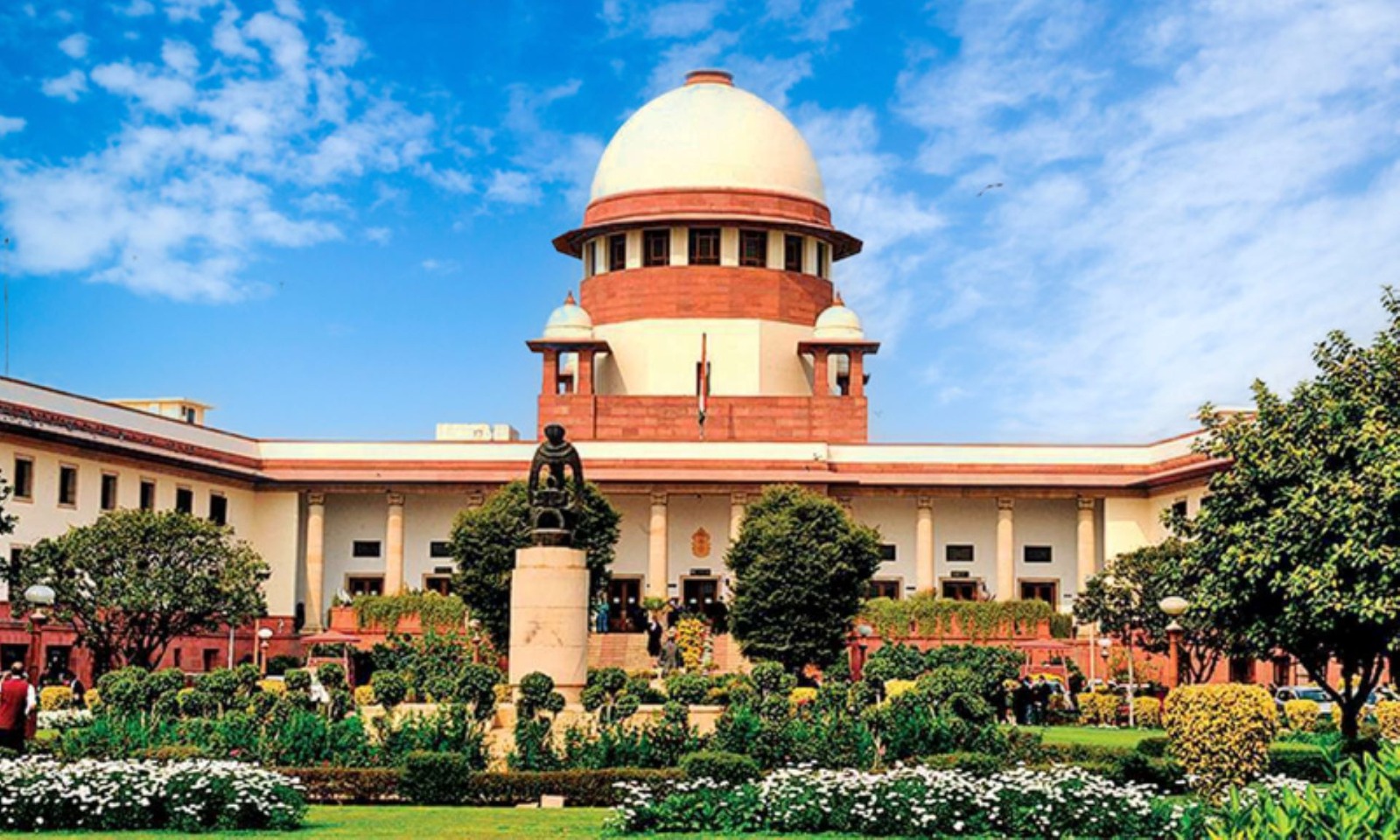
Supreme Court: Bail Cannot Be Cancelled Solely on Oral Dying Declaration, Upholds Allahabad HC Order
Apex Court Protects Rights of Accused Not Named in FIR
Six Years of Jail Without Direct Evidence Considered Excessive
By Our Legal Reporter
New Delhi: February 02, 2026:
In a significant ruling, the Supreme Court of India has upheld the bail granted to an accused in a murder case from Uttar Pradesh, despite objections that he was arrested later based on an oral dying declaration and a co-accused’s disclosure. The Court dismissed the appeal for bail cancellation, stressing that justice requires balancing the rights of the accused with the seriousness of allegations.
Also Read: Karnataka High Court Orders Probe into Illegal Sand Mining, Political Links Under Scrutiny
The case, Usman Ali v. State of Uttar Pradesh, highlights the complexities of criminal trials where oral statements and indirect evidence play a role. The judgment is crucial for understanding how courts weigh evidence, FIR details, and prolonged incarceration in bail matters.
Background of the Case
- Incident: A violent clash in Sonbhadra district, Uttar Pradesh, led to the death of a man.
- FIR Details: The accused, later identified as Rinku Bhardwaj alias Prakash Rajbhar, was not named in the FIR.
- Arrest Basis: He was arrested later based on the oral dying declaration of the deceased and the disclosure statement of a co-accused.
- Charges: The case involved serious charges under the Indian Penal Code (IPC) and Section 7 of the Criminal Law (Amendment) Act.
- High Court Order: The Allahabad High Court granted bail, noting the absence of direct evidence and prolonged custody.
- Supreme Court Appeal: The complainant challenged this order, seeking cancellation of bail.
(Note for Readers)
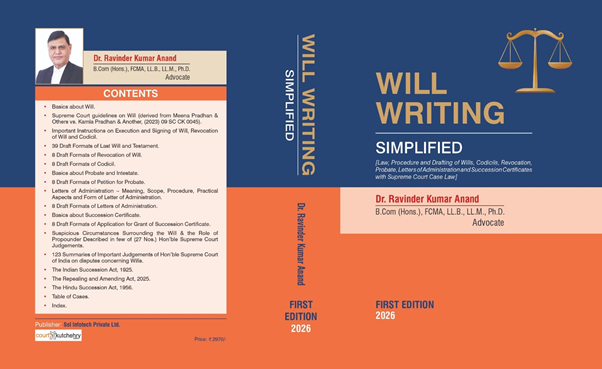
If you want practical guidance on drafting wills, codicils, and probate procedures, Will Writing Simplified is an invaluable resource. BUY HERE: Amazon 🔹 Flipkart.
Supreme Court’s Observations
- Not Named in FIR: The Court emphasized that the accused was not initially named in the FIR, which weakens the prosecution’s case.
- Oral Dying Declaration: While oral dying declarations are admissible, the Court noted that they must be scrutinized, especially when they form the sole basis of arrest.
- Prolonged Incarceration: The accused had already spent over six years in jail, which the Court considered excessive without trial conclusion.
- Balance of Rights: Bail cannot be cancelled merely on suspicion; courts must ensure that individual liberty is not compromised without strong evidence.
Why the Bail Was Upheld
- No Direct Evidence: The prosecution relied only on oral statements and co-accused disclosures.
- Delay in Trial: The trial had not concluded despite years of custody.
- Judicial Principle: Bail is the rule, jail is the exception—especially when evidence is weak.
- High Court’s Reasoning Validated: The Supreme Court agreed with the Allahabad High Court’s reasoning that prolonged incarceration without strong evidence violates constitutional rights.
Broader Implications
- For Criminal Justice: The ruling reinforces the principle that oral dying declarations alone cannot justify prolonged custody.
- For Accused Rights: Protects individuals from indefinite imprisonment when not directly named in FIRs.
- For Prosecution: Encourages stronger reliance on corroborative evidence rather than oral statements alone.
- For Judiciary: Demonstrates the Court’s role in balancing victim justice with accused rights.
Human Angle
The case reflects the emotional tension between victims’ families seeking justice and accused individuals fighting for liberty. While oral dying declarations can be powerful, the Court recognized the risk of misuse if not corroborated. The ruling ensures that innocent individuals are not punished by prolonged detention without trial.
Also Read: Budget 2026: Buybacks to Be Taxed as Capital Gains, Ending Company-Level Tax
Conclusion
The Supreme Court’s decision in Usman Ali v. State of Uttar Pradesh is a landmark in bail jurisprudence. It clarifies that oral dying declarations, while admissible, cannot alone justify cancellation of bail, especially when the accused was not named in the FIR and has already spent years in custody. The judgment strengthens the principle of individual liberty and fair trial rights in India’s criminal justice system.
Keywords for Faster Searches
- Supreme Court Usman Ali bail case
- Oral dying declaration bail ruling India
- Allahabad High Court bail upheld Supreme Court
- FIR not naming accused bail judgment
- Bail cancellation appeal dismissed Supreme Court
- Usman Ali vs State of Uttar Pradesh 2026 case
- Supreme Court prolonged incarceration bail rights
Also Read: Supreme Court Ruling: Polluting Company’s Turnover to Decide Environmental Compensation