
Supreme Court Shields Govt Officers from Eviction in Sujan Singh Park Case
Rent Law Declared Inapplicable
Government Grants Act Takes Precedence
By Legal Reporter
New Delhi: April 22, 2026:
The Supreme Court has quashed the eviction order against government officers residing in Sujan Singh Park flats near Khan Market, ruling that the Delhi Rent Control Act does not apply and eviction cannot be enforced without a specific clause in the lease. This judgment redefines the scope of landlord rights under government grants and has major implications for housing disputes involving government properties.
In disputes involving wills, succession, and competing claims among legal heirs, courts closely examine the authenticity of documents, intent of the testator, and surrounding circumstances before determining rights. A significant precedent in this area is the 👉 Smt. Sushila Devi vs Pandit Krishna Kumar Missir & Others judgment, which offers valuable insight into how Indian courts assess will validity and resolve inheritance disputes.
Background of the Dispute
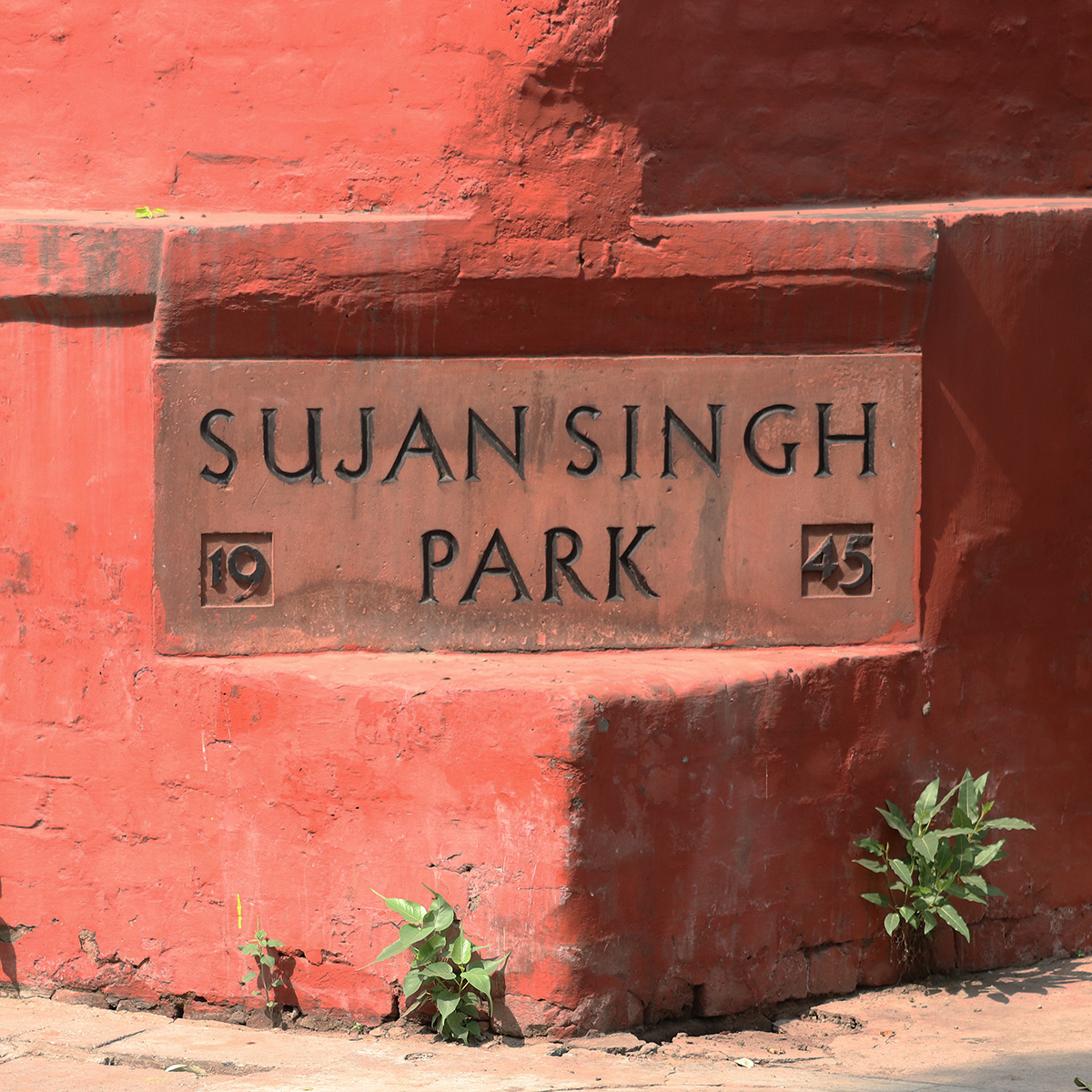
Sujan Singh Park, located opposite Khan Market in New Delhi, has long been a prestigious residential complex. Built in 1944, several flats were leased to the Central government at concessional rates. Rent payments continued until 1989, after which disputes arose between the government and the landlord, Sir Sobha Singh and Sons Pvt. Ltd. The landlord alleged breaches and filed for eviction in 1998. The Additional Rent Controller ruled in favor of the landlord, and subsequent appeals up to the Delhi High Court also went against the government.
Supreme Court’s Intervention
In 2022, the Central government appealed to the Supreme Court, challenging the Delhi High Court’s 2020 order. The apex court, led by Justices Sanjay Karol and PK Mishra, set aside the eviction order. The Court held that:
- Delhi Rent Control Act does not apply to properties leased under the Government Grants Act.
- Eviction cannot be inferred unless explicitly mentioned in the lease deed.
- The landlord’s rights are limited to recovery of rent arrears, not eviction.
This ruling effectively nullifies decades of litigation and reaffirms the supremacy of the Government Grants Act in disputes involving government-leased properties.
Key Legal Issues
- Applicability of Rent Control Laws
- The Delhi Rent Control Act governs landlord-tenant disputes in private arrangements.
- The Supreme Court clarified that government grants are exempt, preventing rent controllers from adjudicating such matters.
- Lease Deed Interpretation
- The absence of an eviction clause in the lease deed meant eviction could not be legally enforced.
- The Court emphasized that grants must operate strictly according to their tenor.
- Government Grants Act Supremacy
- Section 3 of the Act excludes government grants from the purview of other laws.
- This ensures that government housing arrangements remain insulated from general rent control provisions.
Implications of the Judgment
- For Government Officers: Provides security of tenure, shielding them from abrupt eviction.
- For Landlords: Limits remedies to rent recovery, potentially reducing bargaining power.
- For Future Disputes: Establishes precedent that government grants override rent control laws, narrowing the scope of eviction petitions.
- For Policy: Highlights the need for clearer lease drafting to avoid prolonged litigation.
Broader Context
This case underscores the tension between private property rights and government housing needs. While landlords seek enforcement of contractual obligations, the government relies on statutory protections to safeguard its officers. The ruling balances these interests by allowing rent recovery but denying eviction, thereby ensuring continuity of government housing arrangements.
[RESEARCH RESOURCES]
BUY & READ THE BOOK, WILL WRITING SIMPLIFIED, By Dr Ravinder Kumar Anand. [📘 Buy Will Writing Simplified online: Amazon | Flipkart ]
FAQ for Quick Understanding
Q1: What was the dispute about?
A: Landlord Sir Sobha Singh and Sons sought eviction of government officers from Sujan Singh Park flats due to unpaid rent since 1989.
Q2: What did the Delhi High Court rule earlier?
A: In 2020, the High Court upheld eviction and directed the government to clear arrears.
Q3: Why did the Supreme Court set aside the eviction?
A: The Court held that the Delhi Rent Control Act does not apply to government grants and eviction cannot be enforced without a lease clause.
Q4: What law governs such cases?
A: The Government Grants Act, which excludes government leases from other tenancy laws.
Q5: What rights do landlords retain?
A: They can recover rent arrears through legal means but cannot evict tenants unless expressly provided in the lease.
Q6: What does this mean for government officers?
A: They are protected from eviction, ensuring housing stability.
Q7: Does this affect private tenants?
A: No, the ruling applies only to government grants, not private tenancy agreements.
In essence, the Supreme Court has reinforced the primacy of the Government Grants Act, shielding government officers from eviction while limiting landlords to rent recovery. This precedent will shape future housing disputes involving government-leased properties.