
Resolving Disputes in Global Sports and Creative Industries
Arbitration in Sports: Contracts, Integrity, and Global Standards
Arbitration in Entertainment: Protecting Creative Rights and Commercial Interests
Vishwas Kumar
New Delhi: May 07, 2026:
Sports and entertainment are not just cultural phenomena—they are multi‑billion‑dollar industries that thrive on contracts, sponsorships, broadcasting rights, and intellectual property. With such high stakes, disputes are inevitable. Arbitration has emerged as the preferred mechanism to resolve these conflicts, offering confidentiality, speed, and enforceability.
India, with its booming sports leagues (IPL, ISL, Pro Kabaddi) and vibrant entertainment industry (Bollywood, OTT platforms, music licensing), is increasingly encountering disputes that require specialized resolution. From player transfers and doping allegations to film production contracts and streaming rights, arbitration provides a neutral forum that balances commercial interests with fairness and integrity.
Sports Arbitration
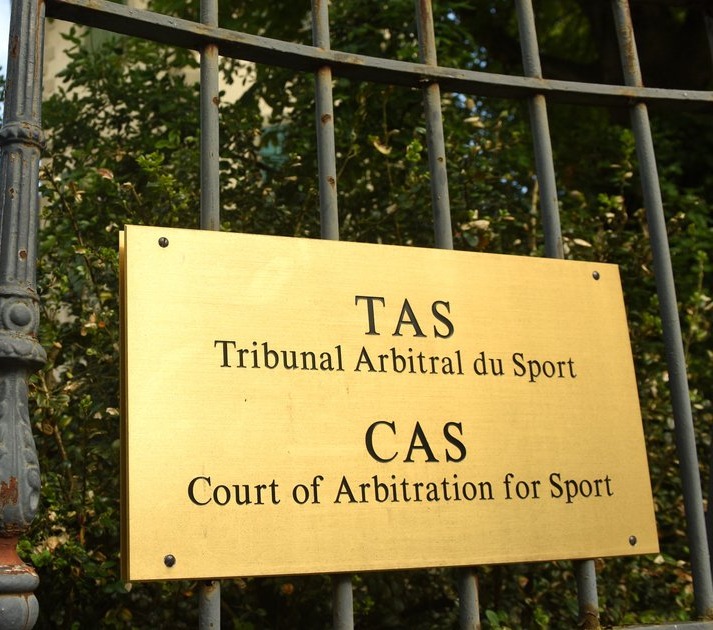
Sports disputes often demand swift resolution to avoid disrupting competitions. The Court of Arbitration for Sport (CAS) in Switzerland is the global hub, handling cases on doping, player eligibility, sponsorships, and broadcasting rights.
- Doping disputes: Athletes accused of violations require impartial hearings. Arbitration ensures fairness while maintaining the integrity of sport.
- Player transfers and contracts: Disputes over eligibility, compensation, or breach of contract are resolved quickly to avoid disrupting tournaments.
- Sponsorship and broadcasting rights: Arbitration ensures predictability in multi‑million‑dollar deals.
India’s sports ecosystem is expanding rapidly. The IPL alone generates billions in revenue, with complex contracts involving players, franchises, sponsors, and broadcasters. Arbitration is increasingly used to resolve disputes, ensuring continuity and credibility.
Entertainment Arbitration
The entertainment industry faces disputes in film production, music licensing, streaming rights, and talent contracts. Arbitration offers confidentiality, protecting reputations while ensuring enforceability.
- Film production disputes: Delays, budget overruns, and creative differences often lead to conflicts. Arbitration provides structured resolution.
- Music licensing: Disputes over royalties and rights are common in India’s music industry. Arbitration ensures fairness and predictability.
- Streaming rights: OTT platforms face disputes over distribution, exclusivity, and intellectual property. Arbitration resolves these conflicts efficiently.
Cross‑border co‑productions and distribution agreements add complexity. Arbitration provides neutrality, ensuring disputes are resolved fairly across jurisdictions.
Comparative Lens
- CAS (Switzerland): Global hub for sports disputes.
- Hollywood (US): Arbitration in entertainment contracts, protecting creative rights.
- Europe: Arbitration in co‑production and distribution agreements.
- India: Emerging need for specialized sports and entertainment arbitration frameworks.
Sociological, Economic, and Ethical Impacts
- Sociological: Ensures fairness for athletes and artists, protecting careers and reputations.
- Economic: Protects investments in sports and creative industries, attracting capital.
- Ethical: Balances commercial interests with integrity and rights.
Case Narratives
- IPL disputes: Arbitration in player contracts and franchise agreements.
- Global doping cases: CAS rulings preserving integrity of sport.
- Streaming disputes: Arbitration in OTT distribution rights.
Connecting Sports and Entertainment Arbitration
Although sports and entertainment may appear to be distinct worlds, they share striking similarities when it comes to dispute resolution. Both industries are built on contracts, sponsorships, broadcasting rights, and intellectual property, and both operate under immense public scrutiny. Disputes in these sectors can disrupt tournaments, delay productions, damage reputations, and erode trust. Arbitration provides the common thread—offering confidentiality, speed, and enforceability while balancing commercial interests with fairness and integrity.
In sports, arbitration protects athletes, franchises, and sponsors by ensuring disputes are resolved quickly and fairly, preserving the integrity of competitions. In entertainment, arbitration safeguards creative rights, protects investments, and ensures projects reach audiences without disruption. Both sectors rely heavily on cross‑border agreements—whether it is international player transfers or global film distribution—and arbitration provides the neutrality needed to resolve disputes across jurisdictions.
The sociological impact is also shared. Athletes and artists gain confidence that their careers will not be derailed by unfair disputes. Fans and audiences benefit from continuity in tournaments and productions. Economically, arbitration attracts investment into stadiums, franchises, films, and streaming platforms by reducing risk. Ethically, arbitration reinforces integrity, ensuring that commercial interests do not override fairness, whether in doping cases or royalty disputes.
Globally, specialized institutions like CAS in Switzerland for sports and Hollywood arbitration practices for entertainment demonstrate how tailored frameworks can elevate credibility. India must adopt similar models, developing specialized arbitration mechanisms for both sports and entertainment, training arbitrators in sector‑specific law, and aligning with global standards.
Ultimately, sports and entertainment arbitration are two sides of the same coin. Both industries inspire billions, and both require dispute resolution mechanisms that protect integrity, creativity, and commerce. By bridging these sectors under a unified arbitration vision, India can position itself as a hub for resolving disputes in industries that not only drive economic growth but also shape culture and identity.
Arbitration in Sports: Contracts, Integrity, and Global Standards
Sports are built on passion, competition, and integrity—but beneath the spectacle lies a complex web of contracts, sponsorships, broadcasting rights, and regulatory frameworks. With billions of dollars at stake, disputes are inevitable. Arbitration has become the preferred mechanism to resolve these conflicts, offering speed, confidentiality, and enforceability.
Globally, the Court of Arbitration for Sport (CAS) in Lausanne, Switzerland, is the gold standard. CAS handles disputes ranging from doping allegations to player eligibility, sponsorship conflicts, and broadcasting rights. Its rulings are respected worldwide, ensuring consistency and fairness across jurisdictions.
In India, the rise of professional leagues such as the Indian Premier League (IPL), Indian Super League (ISL), and Pro Kabaddi League has created a surge in contractual disputes. Player transfers, franchise agreements, and sponsorship deal often involve complex negotiations. Arbitration provides a neutral forum to resolve these disputes quickly, ensuring tournaments are not disrupted.
Doping disputes are particularly sensitive. Athletes accused of violations face reputational damage and career setbacks. Arbitration ensures impartial hearings, balancing the need for integrity with fairness to athletes. CAS rulings in global doping cases have set precedents that India can adopt, ensuring credibility in its sports ecosystem.
Sponsorship and broadcasting rights are another area of contention. Multi‑million‑dollar deals often hinge on exclusivity, performance, and compliance. Arbitration ensures predictability, protecting investments and maintaining trust between stakeholders.
The sociological impact of sports arbitration is profound. Athletes gain confidence that disputes will be resolved fairly, protecting their careers. Fans benefit from continuity in tournaments, while sponsors and broadcasters enjoy predictability. Economically, arbitration safeguards investments in sports infrastructure, franchises, and broadcasting rights. Ethically, it reinforces integrity, ensuring that commercial interests do not undermine fairness.
Comparative lessons are clear. CAS provides global consistency, while countries like the US and UK integrate arbitration into sports governance. India must develop specialized sports arbitration frameworks, training arbitrators in sports law and aligning with global standards.
In conclusion, arbitration in sports is not just about resolving disputes—it is about preserving integrity, protecting investments, and ensuring fairness. By embedding arbitration into its sports ecosystem, India can elevate its credibility and position itself as a global hub for sports dispute resolution.
Arbitration in Entertainment: Protecting Creative Rights and Commercial Interests
The entertainment industry—spanning film, music, television, and digital platforms—is one of India’s most influential sectors. Bollywood, regional cinema, and OTT platforms generate billions in revenue, while music and talent contracts shape careers. With so much at stake, disputes are inevitable. Arbitration offers confidentiality, speed, and enforceability, making it the preferred mechanism for resolving conflicts in creative industries.
Film production disputes are common. Delays, budget overruns, and creative differences often lead to conflicts between producers, directors, and investors. Arbitration provides a structured process to resolve these disputes without public litigation, protecting reputations and ensuring projects reach completion.
Music licensing disputes involve royalties, rights, and distribution. India’s music industry, with its vast catalogue of songs and growing digital platforms, frequently encounters conflicts over ownership and usage. Arbitration ensures fairness, balancing the interests of artists, producers, and distributors.
Streaming rights disputes have surged with the rise of OTT platforms like Netflix, Amazon Prime, and Disney+ Hotstar. Issues of exclusivity, distribution, and intellectual property often arise in cross‑border agreements. Arbitration provides neutrality, ensuring disputes are resolved fairly across jurisdictions.
Cross‑border co‑productions add complexity. International collaborations in film and television often involve multiple jurisdictions, languages, and legal systems. Arbitration offers a neutral forum, ensuring disputes are resolved efficiently and enforceable.
The sociological impact of entertainment arbitration is significant. Artists gain confidence that their rights will be protected, while producers and investors enjoy predictability. Fans benefit from continuity in content, while platforms maintain credibility. Economically, arbitration safeguards investments in films, music, and streaming platforms. Ethically, it balances commercial interests with creative integrity, ensuring fairness in contracts and protecting artistic rights.
Globally, Hollywood has long used arbitration to resolve disputes in film production and talent contracts. Europe integrates arbitration into co‑production and distribution agreements. India must adopt similar practices, developing specialized entertainment arbitration frameworks and training arbitrators in creative law.
Case narratives illustrate the importance of arbitration in entertainment. Disputes over film distribution rights have been resolved through arbitration, ensuring timely releases. Music licensing conflicts have been settled fairly, protecting artists’ royalties. Streaming platforms have used arbitration to resolve exclusivity disputes, maintaining credibility in global markets.
In conclusion, arbitration in entertainment is not just about resolving disputes—it is about protecting creative rights, safeguarding investments, and ensuring fairness. By embedding arbitration into its entertainment industry, India can elevate its credibility, attract investment, and foster innovation. Arbitration in entertainment is about shaping industries that inspire billions, ensuring that creativity and commerce coexist harmoniously.
Extended FAQ (40 Questions)
1. What is sports arbitration? Neutral resolution of sports disputes.
2. What is CAS? Court of Arbitration for Sport in Switzerland.
3. What disputes does CAS handle? Doping, transfers, sponsorships, broadcasting.
4. How does arbitration help athletes? Ensures fairness and protects careers.
5. How does arbitration help franchises? Provides predictability in contracts.
6. How does arbitration help sponsors? Ensures enforceability of deals.
7. How does arbitration help broadcasters? Protects rights and investments.
8. How does arbitration help regulators? Maintains integrity of sport.
9. How does arbitration help IPL? Resolves disputes quickly.
10. How does arbitration help ISL? Ensures continuity in football contracts.
11. What is entertainment arbitration? Resolving disputes in creative industries.
12. What disputes arise in film production? Delays, budgets, creative differences.
13. What disputes arise in music licensing? Royalties and rights.
14. What disputes arise in streaming? Distribution and exclusivity.
15. How does arbitration help artists? Protects rights and reputations.
16. How does arbitration help producers? Ensures enforceability of contracts.
17. How does arbitration help OTT platforms? Resolves distribution disputes.
18. How does arbitration help investors? Provides predictability in creative projects.
19. How does arbitration help regulators? Ensures compliance with IP laws.
20. How does arbitration help Bollywood? Resolves disputes in film contracts.
21. How does arbitration help Hollywood? Protects creative rights.
22. How does arbitration help Europe? Resolves co‑production disputes.
23. How does arbitration help India? Provides credibility in sports and entertainment.
24. How does arbitration affect ethics? Balances integrity with commerce.
25. How does arbitration affect global commerce? Facilitates cross‑border deals.
26. How does arbitration affect India’s image? Enhances credibility as a hub.
27. How does arbitration affect FDI inflows? Predictability attracts investors.
28. How does arbitration affect judicial backlog? Reduces litigation.
29. How does arbitration affect UNCITRAL principles? Aligns India with global norms.
30. How does arbitration affect BITs? Investor‑state disputes in sports/entertainment.
31. How does arbitration affect infrastructure financing? Protects stadium investments.
32. How does arbitration affect renewable energy in sports? Stadium sustainability disputes.
33. How does arbitration affect IP licensing? Ensures enforceability.
34. How does arbitration affect judicial discipline? Courts must respect awards.
35. How does arbitration affect sovereign powers? Challenges sovereignty in regulation.
36. How does arbitration affect taxation disputes? Raises enforcement issues.
37. How does arbitration affect India’s growth? Boosts sports and entertainment economy.
38. How does arbitration affect SMEs abroad? Provides affordable resolution.
39. How does arbitration affect multinational corporations? Ensures predictability in contracts.
40. What is India’s future in sports/entertainment arbitration? Building specialized frameworks will elevate India’s standing.
Op‑Ed Closing Vision
India’s arbitration reforms must now embrace sports and entertainment. These industries are not peripheral—they are central to culture, commerce, and global influence. Comparative jurisdictions show the way: CAS in Switzerland for sports, Hollywood for entertainment, and Europe for co‑production disputes. India must craft its own model, combining global best practices with domestic realities.
Economically, arbitration protects investments in sports leagues and creative projects. Sociologically, it ensures fairness for athletes and artists, safeguarding careers and reputations. Ethically, it balances commercial interests with integrity and rights.
The vision for India’s future is clear: discipline, predictability, and specialization. Reforming laws, training arbitrators in sports and entertainment law, and embedding specialized frameworks are essential. If India sustains this trajectory, arbitration will evolve into a cornerstone of its sports and entertainment growth story.
Ultimately, arbitration is not just about resolving disputes—it is about shaping industries that inspire billions. In the era of global sports and digital entertainment, arbitration must serve as a guardian of fairness and integrity. If India can embrace specialized arbitration, it will attract investment, foster innovation, and elevate its global standing. If not, neglecting these industries risks undermining its ambition to be a credible hub. The choice is stark: embrace sports and entertainment arbitration and lead, or resist change and risk irrelevance.