
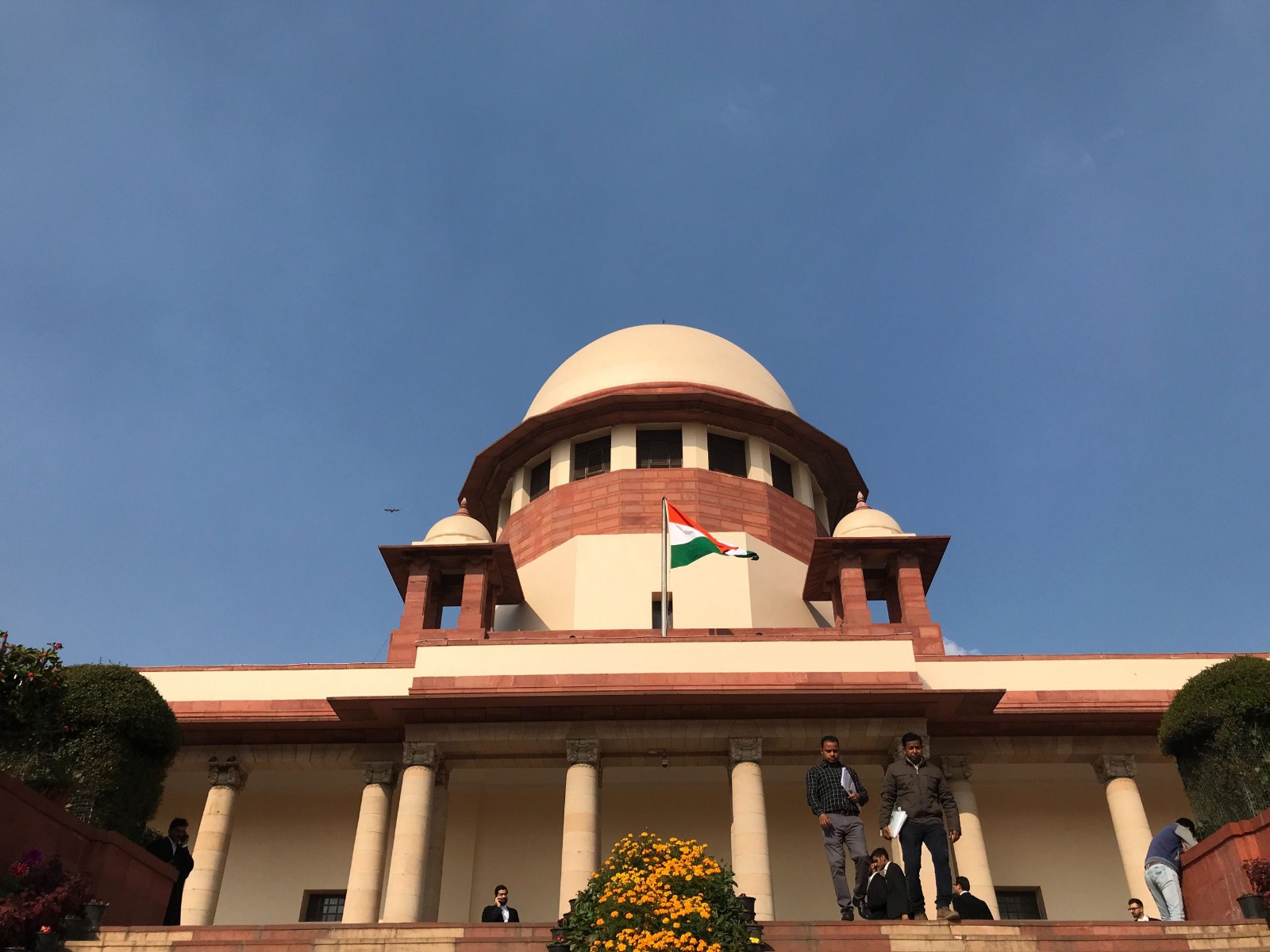
SC: Directly Affected Parties Must Be Heard in Writ Proceedings
Interim orders cannot exclude those facing civil consequences
Court clarifies distinction between necessary and proper parties under Order I Rule 10 CPC
By Legal Reporter
New Delhi: April 10, 2026:
The Supreme Court has ruled that a person directly and demonstrably affected by an interim order in writ proceedings cannot be denied participation merely because they were not an original party to the case. This decision, arising from challenges to the Punjab Unified Building Rules, 2025, reinforces the principles of fairness and effective adjudication in writ jurisdiction.
For key legal precedents on wills and probate disputes, explore this complete collection of Supreme Court judgments on wills .
This ruling underscore the Supreme Court’s commitment to ensuring that justice is not sacrificed at the altar of procedural rigidity, especially when interim orders have tangible consequences on property and livelihood.
[RECOMMENDED RESEARCH RESOURCES]
📘 Legal professionals and students alike will benefit from Will Writing Simplified, which covers procedure and case law in detail.
🔹 Buy "Will Writing Simplified" online: Amazon | Flipkart
Key Legal Principles Highlighted
1. Writ Jurisdiction & Impleadment
- The Court reiterated that writ jurisdiction is not bound by rigid procedural technicalities.
- Principles of Order I Rule 10 CPC (necessary vs. proper parties) guide impleadment.
- A person directly affected by an interim order is entitled to be heard.
2. Necessary vs. Proper Parties
- Necessary Party: Without whom no effective order can be passed.
- Proper Party: Not essential, but whose presence aids complete adjudication.
- The Court held that even if not strictly necessary, the appellant’s presence was crucial.
3. Interim Orders & Civil Consequences
- Interim orders are not abstract directions; they can have direct civil consequences.
- Here, the High Court’s interim order keeping the 2025 Rules in abeyance led to demolition orders against the appellant’s property.
4. Preservation of Remedies
- The Court emphasized that remedies available in law should not be stultified.
- Multiple proceedings (appeals, revisions) arising from distinct causes of action must proceed independently.
Analytical Insights
- Judicial Fairness: The ruling ensures that those directly impacted by interim orders are not treated as outsiders.
- Balance of Procedure & Justice: While writ jurisdiction is flexible, it must still respect principles of natural justice.
- Urban Development Context: The case highlights how regulatory changes (Punjab Unified Building Rules, 2025) can trigger litigation affecting property rights.
- Future Implications: Courts may increasingly allow impleadment of affected parties in writ challenges to ensure holistic adjudication.
Detailed FAQ for Quick Understanding
Q1. What was the dispute in this case?
The appellant’s hotel project became compliant under the Punjab Unified Building Rules, 2025, but an interim High Court order kept the rules in abeyance, leading to demolition action.
Q2. Why did the appellant seek impleadment?
Because the interim order was being applied against its property, causing direct civil consequences.
Q3. What did the High Court decide?
It rejected impleadment, holding the appellant was not a necessary party.
Q4. What did the Supreme Court hold?
That a person directly affected by an interim order cannot be denied hearing, even if not an original party.
Q5. What is the difference between necessary and proper parties?
- Necessary: Without whom no effective order can be passed.
- Proper: Presence aids complete adjudication, even if not essential.
Q6. Did the SC decide on the validity of the 2025 Rules?
No. It left substantive issues (validity of rules, demolition legality) to be decided by the High Court.