
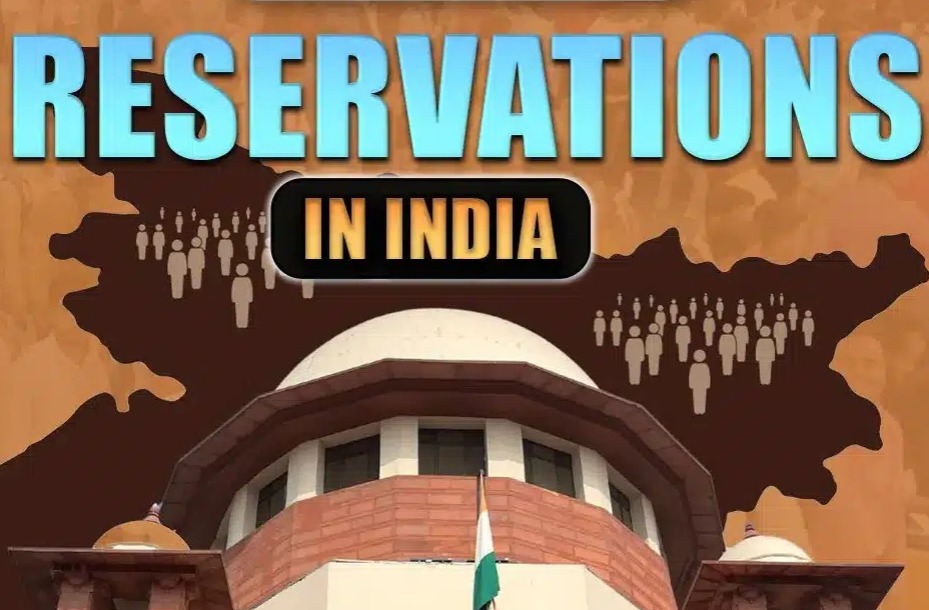
Reservation in India: Social Justice or Perpetual Division?
The constitutional promise of equality and representation
Judicial precedents, political debates, and human narratives
By Vishwas Kumar
New Delhi: June 27, 2026:
The reservation system in India—affirmative action in education, employment, and politics—remains one of the most hotly debated policies in the country. Conceived as a tool to correct historical injustices and ensure representation for marginalized communities, it has evolved into a complex framework that touches nearly every aspect of public life.
Articles 15 and 16 of the Constitution empower the state to make special provisions for socially and educationally backward classes. Initially focused on Scheduled Castes (SCs) and Scheduled Tribes (STs), reservation expanded to include Other Backward Classes (OBCs) after the Mandal Commission recommendations in the 1990s. More recently, the introduction of a 10% quota for Economically Weaker Sections (EWS) has added a new dimension, sparking debates about whether economic criteria should supplement or replace caste-based measures.
Supporters argue that reservation is essential for levelling the playing field. It provides access to education and jobs for communities historically excluded from mainstream opportunities. Critics, however, contend that it perpetuates caste divisions, undermines meritocracy, and fuels resentment among non-beneficiaries. The political dimension is undeniable: demands for new quotas by groups like Marathas, Patidars, and Jats highlight the growing contest over limited opportunities.
Judicial precedents have shaped the system. In Indra Sawhney v. Union of India (1992), the Supreme Court upheld OBC reservation but capped total quotas at 50%. The Court has also debated the validity of EWS reservation, reflecting ongoing constitutional tension. Globally, affirmative action exists in countries like the US and South Africa, but India’s system is unique in scale and complexity, deeply tied to caste.
The reservation debate is not merely legal—it is deeply human. It touches the lives of students, professionals, and communities, shaping identity, opportunity, and the meaning of equality in India’s democracy.
Detailed Analytical Narrative
The constitutional foundation of reservation lies in Articles 15 and 16, which allow the state to make special provisions for socially and educationally backward classes. This framework was intended to dismantle centuries of caste-based exclusion and ensure representation in education and employment.
The Indra Sawhney case (1992) was pivotal. The Supreme Court upheld 27% reservation for OBCs but imposed a 50% cap on total quotas, emphasizing that equality must balance social justice with merit. The Court also ruled against reservation in promotions, though later amendments partially reversed this. More recently, the EWS quota introduced in 2019 has been upheld by the Court, signalling a shift toward economic criteria alongside caste.
Despite judicial safeguards, challenges persist. Demands for new quotas by communities like Marathas, Patidars, and Jats reflect the growing contest over limited opportunities. Critics argue that reservation has become a political tool, expanded for electoral gains rather than genuine social justice. Supporters counter that without reservation, marginalized groups would remain excluded from mainstream opportunities.
Globally, affirmative action exists but differs in scope. In the US, race-based college admissions have been curtailed by recent Supreme Court rulings. South Africa uses quotas to address apartheid’s legacy. India’s system, however, is unparalleled in scale, deeply tied to caste, and politically sensitive.
Thus, reservation in India embodies a constitutional tension: between equality of opportunity and equality of outcome, between meritocracy and social justice, and between historical redress and contemporary fairness.
Comparative Perspectives
Case Studies & Human Narratives
The debate over reservation in India is not just about constitutional provisions or judicial rulings—it is deeply human. The lived experiences of beneficiaries, excluded groups, students, and professionals reveal how affirmative action shapes opportunity, identity, and fairness in everyday life.
Beneficiaries: For many SC, ST, and OBC students, reservation is nothing short of a lifeline. It provides access to education and jobs that would otherwise remain out of reach due to systemic discrimination and poverty. These opportunities often transform entire families, breaking cycles of exclusion and enabling upward mobility. Stories abound of first-generation learners who, through reservation, enter universities or secure government jobs, becoming role models for their communities. For them, reservation is not charity but justice—an instrument that restores dignity and inclusion.
Excluded Groups: Communities outside the reservation framework often feel resentment, perceiving themselves as disadvantaged despite economic hardship. The introduction of the EWS quota was partly a response to this sentiment, offering opportunities to economically weaker individuals from non-reserved categories. Yet, demands for inclusion by groups like Marathas, Patidars, and Jats highlight the growing contest over limited opportunities. These movements underscore the political sensitivity of reservation, as communities mobilize to claim their share of affirmative action.
Students: In universities, reservation shapes both identity and opportunity. Beneficiaries often face stigma, with peers questioning their merit, while non-beneficiaries sometimes feel disadvantaged in competitive admissions. This tension reflects broader societal divisions, where caste and class continue to influence perceptions of fairness. For many young people, reservation is not just a policy but a lived reality that defines their educational journey.
Professionals: In employment, reservation ensures representation in government services and public institutions. Supporters argue that diversity strengthens institutions by bringing varied perspectives and experiences. Critics, however, contend that competence is compromised, fuelling debates about meritocracy. In workplaces, these tensions manifest in subtle biases and perceptions, shaping professional dynamics and career trajectories.
Together, these narratives highlight the human dimension of reservation. It is not merely a constitutional mechanism but a lived reality that affects families striving for dignity, communities demanding inclusion, students navigating stigma, and professionals grappling with fairness. The reservation debate, therefore, is not abstract—it is about the values India chooses to uphold in its pursuit of equality and justice.
FAQ Index on Reservation in India
What is reservation in India? It is affirmative action in education, employment, and politics to uplift marginalized communities.
Which constitutional articles govern reservation? Articles 15 and 16 empower the state to make special provisions for backward classes.
Who benefits from reservation? Scheduled Castes (SCs), Scheduled Tribes (STs), Other Backward Classes (OBCs), and Economically Weaker Sections (EWS).
What did the Indra Sawhney case (1992) decide? Upheld OBC reservation but capped total quotas at 50%.
What is the EWS quota? A 10% reservation introduced in 2019 for economically weaker sections outside SC/ST/OBC categories.
Does reservation apply to promotions? Initially barred, later allowed through constitutional amendments and judicial rulings.
What is the meritocracy argument against reservation? Critics say it undermines merit and efficiency in education and jobs.
What is the social justice argument for reservation? Supporters argue it corrects historical exclusion and ensures representation.
Which communities demand new quotas? Marathas, Patidars, Jats, and others have sought inclusion.
What is the 50% cap? The Supreme Court ruled that total reservation should not exceed 50%, though exceptions exist.
What is the political dimension of reservation? Policies are often expanded during elections to gain support.
Does reservation apply in private institutions? Yes, after constitutional amendments, certain private institutions must comply.
What is the role of the Mandal Commission? Recommended 27% reservation for OBCs, implemented in the 1990s.
What is the stigma faced by beneficiaries? Students and professionals often face prejudice despite constitutional protection.
What is the resentment among non-beneficiaries? They feel excluded, fueling demands for EWS and new quotas.
What is the global comparison? Affirmative action exists in the US and South Africa but is smaller in scale.
What is the caste vs. economic debate? Some argue reservation should shift from caste to economic criteria.
Does reservation perpetuate caste divisions? Critics say yes; supporters argue it dismantles exclusion.
What is the role of Parliament? Expands or modifies quotas through constitutional amendments.
What is the role of the judiciary? Balances social justice with equality, often limiting expansion.
What is the creamy layer concept? Excludes wealthier OBCs from reservation benefits to target the truly disadvantaged.
Does reservation apply to women? Yes, certain quotas exist for women within categories.
Does reservation apply to disabled persons? Yes, separate quotas exist for persons with disabilities.
What is the impact on education? Ensures access for marginalized groups but sparks debates on merit.
What is the impact on employment? Provides representation in government jobs but raises efficiency concerns.
What is the impact on politics? Reserved constituencies ensure representation of SCs and STs in legislatures.
What is the role of Article 340? Empowers the President to appoint commissions on backward classes.
What is the role of the 103rd Amendment? Introduced the EWS quota in 2019.
What is the role of the 77th Amendment? Allowed reservation in promotions for SCs and STs.
What is the role of the 93rd Amendment? Extended reservation to private educational institutions.
What is the role of the Supreme Court in EWS? Upheld the 10% quota, signaling acceptance of economic criteria.
What is the argument for expanding quotas? Communities argue they remain disadvantaged despite development.
What is the argument for limiting quotas? Critics say expansion undermines equality and efficiency.
What is the role of protests in reservation? Groups like Patidars and Marathas have staged large protests demanding inclusion.
What is the role of commissions? Bodies like Mandal Commission and Rohini Commission study backwardness and recommend quotas.
What is the impact on social mobility? Reservation has enabled upward mobility for many marginalized families.
What is the impact on national unity? Critics say it fuels division; supporters argue it strengthens inclusion.
What is the role of data in reservation? Caste census and socio-economic surveys inform policy decisions.
What is the benefit of reforming reservation? Would balance justice with merit, reducing resentment and inefficiency.
What is the future of reservation in India? Uncertain—depends on political will, judicial rulings, and evolving social realities.
Op-Ed Closing Vision
Reservation in India is both a constitutional promise and a political dilemma. It embodies the tension between social justice and meritocracy, forcing the nation to confront whether affirmative action perpetuates divisions or dismantles them. At its core, the debate is about how India defines equality—whether it means equal opportunity for all or compensatory measures for those historically excluded.
The promise of democracy lies in ensuring equality of opportunity. Reservation has undeniably opened doors for marginalized communities, transforming lives and breaking cycles of exclusion. Generations of SC, ST, and OBC families have accessed education and employment through quotas, achieving upward mobility that was once unimaginable. Yet, its expansion has also fuelled resentment among non-beneficiaries, raising questions about fairness and merit. Judicial precedents, from Indra Sawhney to the recent EWS rulings, have sought to balance these tensions, but inconsistencies persist. Parliament must act decisively—either reform the system to ensure fairness or risk deepening divisions.
Globally, democracies have experimented with affirmative action, but India’s system is unique in scale and complexity. The United States has grappled with race-based college admissions, recently curtailed by its Supreme Court. South Africa uses quotas to address apartheid’s legacy. India’s model, however, is deeply tied to caste, making it both more entrenched and more politically sensitive. Reform would signal a renewed commitment to both justice and merit, strengthening trust in institutions and aligning India with evolving global standards of equality.
The path forward lies in courage and clarity. Parliament must legislate boldly, civil society must engage constructively, and courts must continue to safeguard rights. Reservation should not be a blunt instrument of politics but a carefully considered tool of justice. It must be designed to uplift those who truly need support, while ensuring that opportunity is not distorted by political expediency or misapplied benefits. Concepts like the “creamy layer” exclusion for wealthier OBCs show that reform is possible, but more comprehensive measures are needed.
India’s democracy is resilient, but resilience requires trust. Citizens must feel that opportunity is fair and inclusive. Governments must recognize that equality comes not from perpetuating divisions but from dismantling them. The crossroads is here: cling to political expediency or embrace a future built on dignity, fairness, and opportunity. The time to decide is now.
Country — Approach — Key Features — Lessons for India
US — Race-based affirmative action — Recently curtailed by Supreme Court — Shows limits of judicial tolerance
South Africa — Quotas post-apartheid — Focus on racial redress — Demonstrates use in transitional justice
India — Caste-based + EWS — Largest affirmative action system — Needs balance between justice and merit