
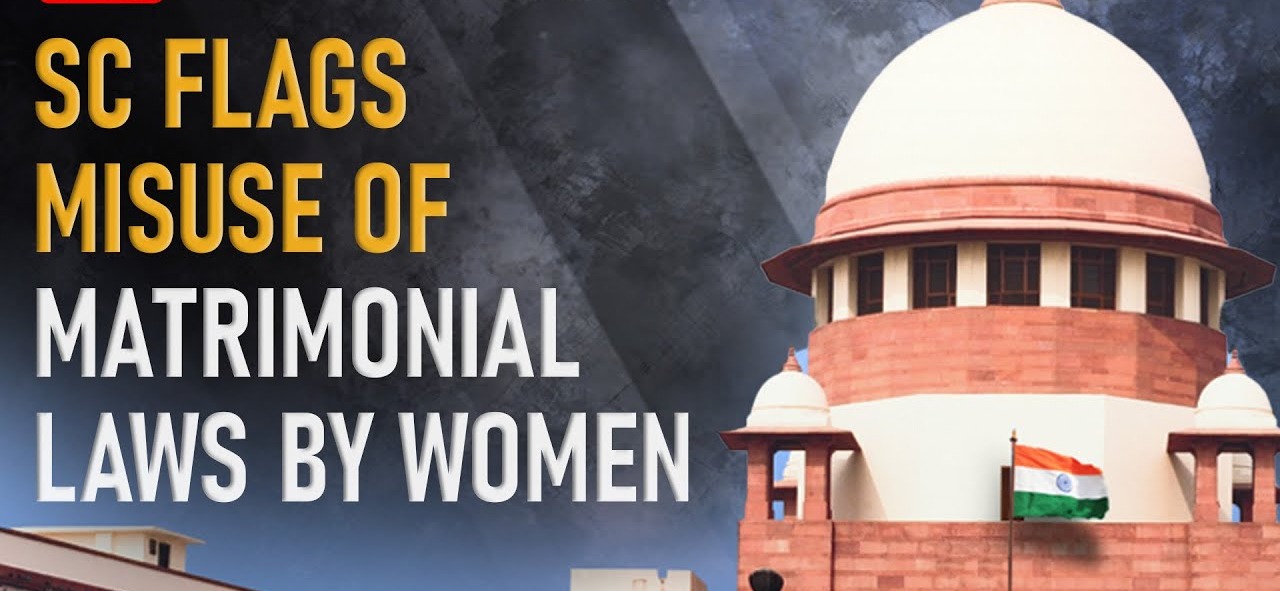
Court Slams Misuse of Law: Alimony Settlement Ends Case
Rajasthan High Court says continuing criminal trial after divorce settlement is harassment
Clarifies scope of Section 498A IPC and judicial safeguards against abuse
By Our Legal Correspondent
New Delhi: June 13, 2026:
The Rajasthan High Court has quashed criminal proceedings against a man and his elderly parents after his ex-wife continued pursuing a case despite accepting ₹20 lakh alimony and consenting to divorce. The Court held that such persistence amounted to harassment and abuse of process, reinforcing the principle that compromise settlements must be respected.
Background of the Case
Marriage date: 27 November 2009.
FIR filed: 2013, alleging offences under Sections 498A, 406, 302 IPC.
Charges framed: 2018, against husband and his parents.
Divorce decree: 18 October 2019 (Jaipur Family Court).
Settlement: ₹20 lakh permanent alimony agreed in December 2024.
Final decree: 17 February 2025.
Issue: Despite settlement, the wife did not withdraw criminal proceedings or appear for evidence.
Key Legal Provisions Discussed
Section 498A IPC
Targets cruelty by husband or relatives.
Punishment: Up to 3 years imprisonment and fine.
Often invoked in dowry harassment cases.
Section 406 IPC
Criminal breach of trust.
Relevant in cases involving alleged misappropriation of dowry or stridhan.
Section 302 IPC
Punishment for murder.
Included in FIR but unsupported by evidence in this case.
Judicial Principles
Abuse of process: Courts can quash proceedings if litigation is pursued for harassment.
Compromise settlements: Once parties agree to divorce and alimony, continuing criminal cases contradicts the settlement.
Supreme Court precedent: Preeti Gupta v. State of Jharkhand (2010) cautioned against misuse of 498A in trivial disputes.
Court’s Observations
The wife accepted alimony and divorce but continued criminal proceedings.
No witnesses appeared since 2018 despite repeated summons.
Settlement clearly covered both matrimonial and criminal disputes.
Persisting with trial was harassment and misuse of law.
Proceedings quashed against husband’s parents.
Analytical Perspective
1. Judicial Safeguards Against Misuse
This ruling strengthens safeguards against misuse of Section 498A IPC, which has often been criticized for being weaponized in matrimonial disputes.
2. Importance of Finality in Settlements
The Court emphasized that once a mutual consent divorce and alimony settlement are finalized, parties cannot reopen disputes.
3. Protection of Elderly Parents
The judgment highlights the plight of elderly parents dragged into prolonged litigation despite compromise.
4. Reinforcement of Supreme Court Guidelines
By citing Preeti Gupta, the Court reiterated that criminal law should not be used as a tool of vengeance.
Comparative Case Law
Rajesh Sharma v. State of UP (2017): Introduced family welfare committees to screen 498A complaints.
K. Prema S. Rao v. Yadla Srinivasa Rao (2003): Upheld conviction where harassment was proved.
Samar Ghosh v. Jaya Ghosh (2007): Defined mental cruelty in matrimonial disputes.
Broader Implications
For Courts: Reinforces power to quash proceedings when compromise is ignored.
For Families: Encourages settlements to avoid prolonged litigation.
For Lawmakers: Highlights need for reforms to prevent misuse of 498A.
FAQ: Quick Legal Index
What is Section 498A IPC?
It criminalizes cruelty by husband or relatives, including harassment linked to dowry.
Can criminal cases continue after divorce settlement?
No. Courts can quash proceedings if compromise covers both matrimonial and criminal disputes.
What is Section 406 IPC?
It deals with criminal breach of trust, often invoked in dowry or property disputes.
What did the Rajasthan High Court decide?
It quashed proceedings against husband’s parents, holding continuation after settlement was harassment.
What precedent did the Court cite?
Preeti Gupta v. State of Jharkhand (2010), which warned against misuse of 498A.
What is the punishment under Section 498A?
Up to 3 years imprisonment and fine.
Can elderly parents be prosecuted under 498A?
Yes, but courts often quash proceedings if evidence is weak or case is abusive.
What is the significance of this ruling?
It reinforces judicial safeguards against misuse of criminal law in matrimonial disputes.
Conclusion
The Rajasthan High Court’s ruling is a landmark in matrimonial jurisprudence, clarifying that once a divorce settlement is finalized, continuing criminal proceedings amounts to harassment. It strengthens judicial safeguards against misuse of Section 498A, protects elderly parents from prolonged litigation, and underscores the importance of respecting compromise settlements.