
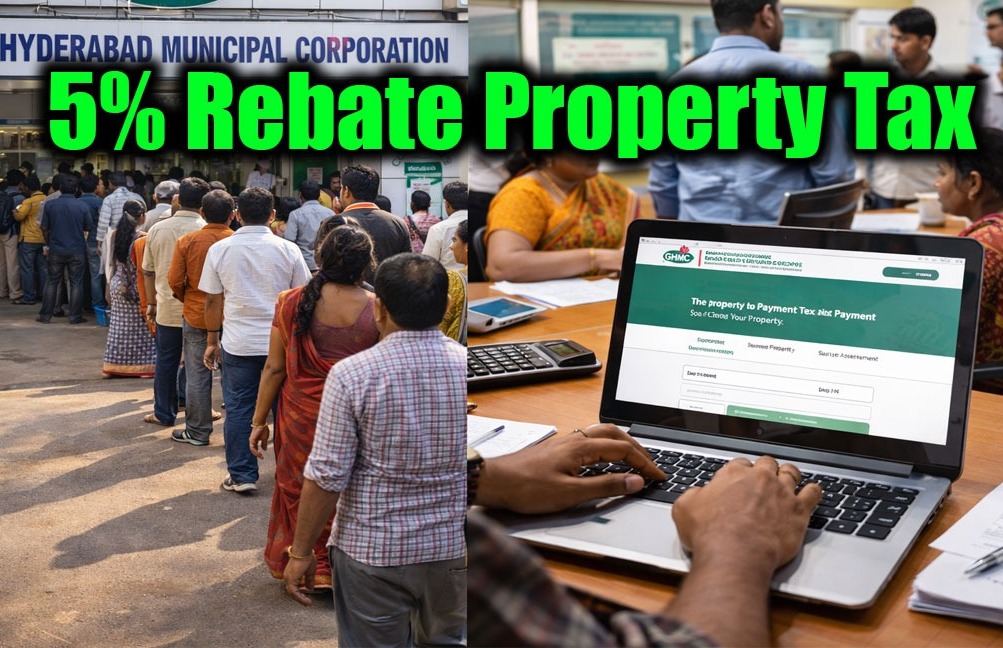
Relief at Your Doorstep: How Property Tax Rebates and Amnesty Schemes Work
Legal Provisions Empower Civic Bodies to Offer Rebates
Amnesty Programs Balance Revenue Collection with Citizen Relief
By Vishwas Kumar
New Delhi: May 26, 2026:
Property tax rebates and amnesty schemes are among the most searched topics in India, especially during fiscal year-end. Citizens look for ways to reduce their tax burden, while municipal corporations use rebates and waivers to encourage compliance. These schemes are rooted in municipal laws and supported by government notifications.
The Supreme Court judgment in Shashi Kumar Banerjee vs Subodh Kumar Banerjee is a significant authority on the legal proof of wills and the role of suspicious circumstances in testamentary disputes. The Court elaborated on the duties of the propounder, the evidentiary standards required for proving execution of a will, and the importance of satisfying judicial conscience before probate can be granted. This ruling is frequently cited in succession cases, probate proceedings, inheritance conflicts, and disputes concerning validity of testamentary documents under Indian law.
1. Legal Foundations
Property tax rebates and amnesty schemes are not arbitrary concessions; they are grounded in municipal acts and bye-laws.
- In Delhi, the Delhi Municipal Corporation Act, 1957, empowers the corporation to levy, collect, and remit property taxes.
- The NDMC Act, 1994, and subsequent bye-laws authorize rebates for early payments and exemptions for specific categories (e.g., war widows, gallantry award winners).
- Amnesty schemes are typically introduced through municipal notifications, which waive penalties and interest for defaulters who clear dues within a specified period.
2. Rebates: Encouraging Timely Compliance
Rebate schemes are designed to incentivize early payment. For example:
- 10–15% rebate for taxpayers who pay before June 30.
- Special concessions for senior citizens, women, and physically challenged individuals.
- Full exemptions for properties owned by war widows and gallantry award winners, as per NDMC notifications.
These rebates are legally binding and published in official gazettes, ensuring transparency.
3. Amnesty Schemes: Balancing Revenue and Relief
Amnesty programs waive accumulated penalties and interest for defaulters. For instance:
- The Municipal Corporation of Pune (PMC) introduced an amnesty scheme in 2024, waiving penalties for those who cleared dues by March 31.
- Similar schemes in Vadodara and Chandigarh allowed defaulters to pay principal tax without additional charges.
Such schemes are legally supported by municipal resolutions and are often time-bound, creating urgency among taxpayers.
4. Digital Integration
Rebate and amnesty schemes are now integrated into online property tax portals. Citizens can:
- View applicable rebates automatically during payment.
- Access amnesty notifications online.
- Generate digital receipts recognized under the Information Technology Act, 2000.
This integration reduces disputes and ensures compliance with statutory requirements.
5. Risks and Challenges
- Revenue Loss Concerns: Frequent amnesty schemes may encourage habitual default.
- Legal Ambiguities: Questions arise about retrospective application of rebates.
- Implementation Gaps: In smaller municipalities, lack of digital infrastructure hampers transparency.
6. Broader Implications
Rebate and amnesty schemes reflect a citizen-centric governance model. They balance municipal revenue needs with taxpayer relief, fostering trust in civic bodies. As urbanization accelerates, such schemes will likely evolve into automated, AI-driven compliance incentives, linked to smart city dashboards.
Detailed FAQ on Legal Points
Q1. What law allows rebates in property tax?
Rebates are authorized under municipal acts such as the Delhi Municipal Corporation Act, 1957, and the NDMC Act, 1994, through bye-laws and notifications.
Q2. How much rebate can I get for early payment?
Typically 10–15% rebate is offered for payments made before June 30, though rates vary by municipality.
Q3. Are amnesty schemes legally valid?
Yes. Amnesty schemes are introduced via municipal resolutions and notifications, waiving penalties and interest for defaulters.
Q4. Who qualifies for full exemption?
Properties owned by war widows, gallantry award winners, and certain government institutions may qualify for full exemption under NDMC rules.
Q5. Can rebates be claimed online?
Yes. Online portals automatically apply rebates during payment, with receipts legally valid under the Information Technology Act, 2000.
Q6. Do amnesty schemes encourage default?
Critics argue they may, but municipalities use them sparingly to recover large outstanding dues.
Q7. Are rebates uniform across India?
No. Each municipal corporation sets its own rebate and exemption policies, published in official notifications.
In conclusion, property tax rebates and amnesty schemes are powerful legal tools that blend compliance with relief. By grounding them in municipal acts and digitizing their implementation, India’s civic bodies are making taxation more transparent, fair, and citizen-friendly.