
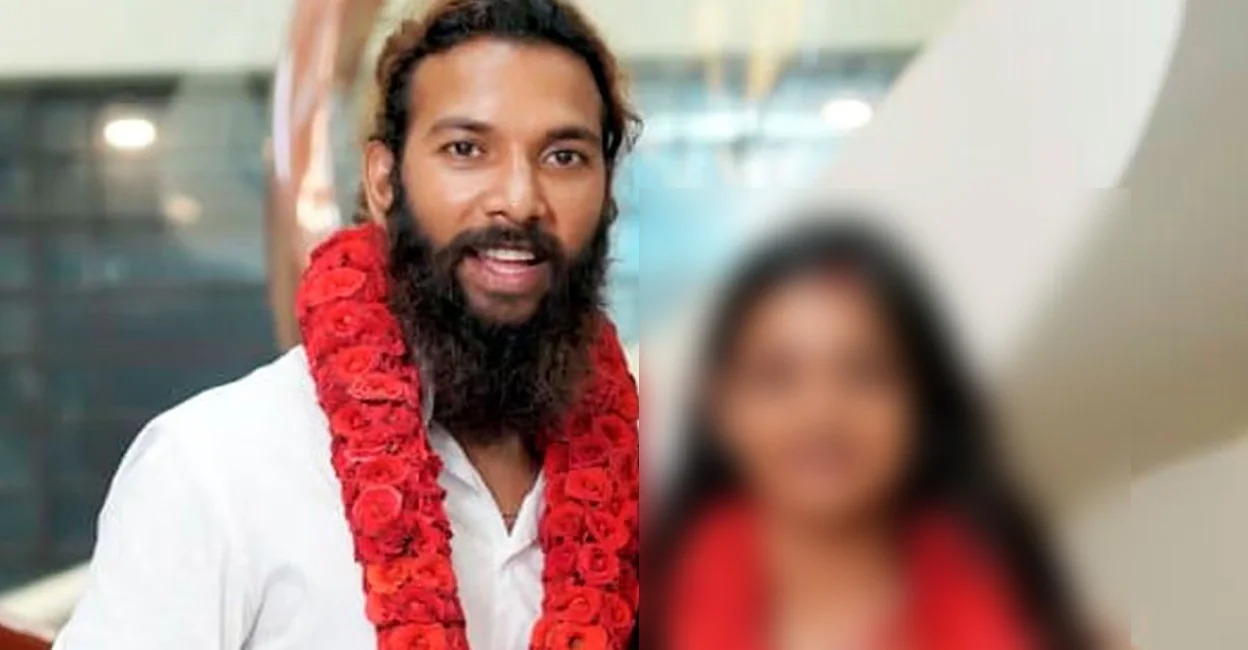
From Viral Fame to Legal Battle: Minor’s Marriage Sparks POCSO Case
Fake Documents and Underage Marriage Trigger Criminal Charges
NCST Investigation Exposes Systemic Failures in Protecting Tribal Minors
By Our Legal Correspondent
New Delhi: April 11, 2026:
The viral “Kumbh girl” Monalisa case has taken a serious legal turn after it was revealed she is a minor. Her husband, Farman Khan, now faces charges under the Protection of Children from Sexual Offences (POCSO) Act, the Bharatiya Nyaya Sanhita (BNS), and the SC/ST (Prevention of Atrocities) Act. The case highlights critical issues of child protection, fraudulent documentation, and accountability in marriage registration.
Analytical Overview
1. Protection of Children from Sexual Offences (POCSO) Act, 2012
- Designed to safeguard minors from sexual exploitation.
- Any sexual relationship with a minor—even within marriage—is treated as an offence.
- Farman Khan faces charges under this Act since Monalisa was confirmed to be under 18 at the time of marriage.
2. Bharatiya Nyaya Sanhita (BNS), 2023
- India’s new criminal code replacing the IPC.
- Provides penalties for offences such as fraud, sexual exploitation, and falsification of documents.
- Fake birth certificates used to project Monalisa as an adult fall under BNS provisions.
3. SC/ST (Prevention of Atrocities) Act, 1989
- Protects members of Scheduled Castes and Scheduled Tribes from exploitation and abuse.
- Since Monalisa belongs to the Pardhi tribal community, charges under this Act were added to ensure protection of her rights.
4. Fraudulent Documentation and Marriage Registration
- Investigators found that Monalisa’s marriage was registered in Kerala using a forged birth certificate.
- Temple authorities relied on Aadhaar details without verifying authenticity.
- The forged certificate has now been cancelled, exposing deliberate misrepresentation.
5. Role of the National Commission for Scheduled Tribes (NCST)
- Conducted a cross-state investigation across Kerala and Madhya Pradesh.
- Confirmed Monalisa’s age using hospital records (born December 30, 2009).
- Issued summons to DGPs of Kerala and Madhya Pradesh, demanding progress reports every three days.
[LEGAL RESEARCH RESOURCES]
Explore all will-related Supreme Court rulings here. Click the link here: https://www.courtkutchehry.com/pages/blog/123-supreme-court-judgments-on-wills/
EXTRACTS FROM BOOK, WILL WRITING SIMPLIFIED, By Dr Ravinder Kumar Anand. [📘 Buy Will Writing Simplified online: Amazon | Flipkart ]
FAQ: Quick Guide
Q1. Why is the POCSO Act applied here?
Because Monalisa is a minor, any sexual relationship—even within marriage—constitutes an offence under POCSO.
Q2. What is the Bharatiya Nyaya Sanhita (BNS)?
It is India’s new criminal code, replacing the IPC, covering offences like fraud and exploitation.
Q3. How does the SC/ST Act apply?
Since Monalisa belongs to a tribal community, the Act ensures protection against exploitation and adds stricter penalties.
Q4. What role did fraudulent documents play?
A fake birth certificate was used to falsely show Monalisa as an adult, enabling illegal marriage registration.
Q5. Who investigated the case?
The NCST led the inquiry, confirming Monalisa’s age and tribal identity, and ordered strict monitoring.
Q6. What penalties could Farman Khan face?
He faces charges under multiple laws—POCSO, BNS, and SC/ST Act—which could lead to severe imprisonment and fines.
Q7. Why is this case significant?
It exposes systemic failures in verifying documents, highlights risk of child marriages and reinforces the importance of strict enforcement of child protection laws.
Conclusion
The Monalisa case underscores the intersection of child protection, tribal rights, and criminal accountability. By invoking POCSO, BNS, and SC/ST laws, authorities have signalled zero tolerance for underage marriages and fraudulent documentation. The NCST’s proactive role ensures that the case will be closely monitored, setting a precedent for how viral stories involving minors must be scrutinized under the law.