
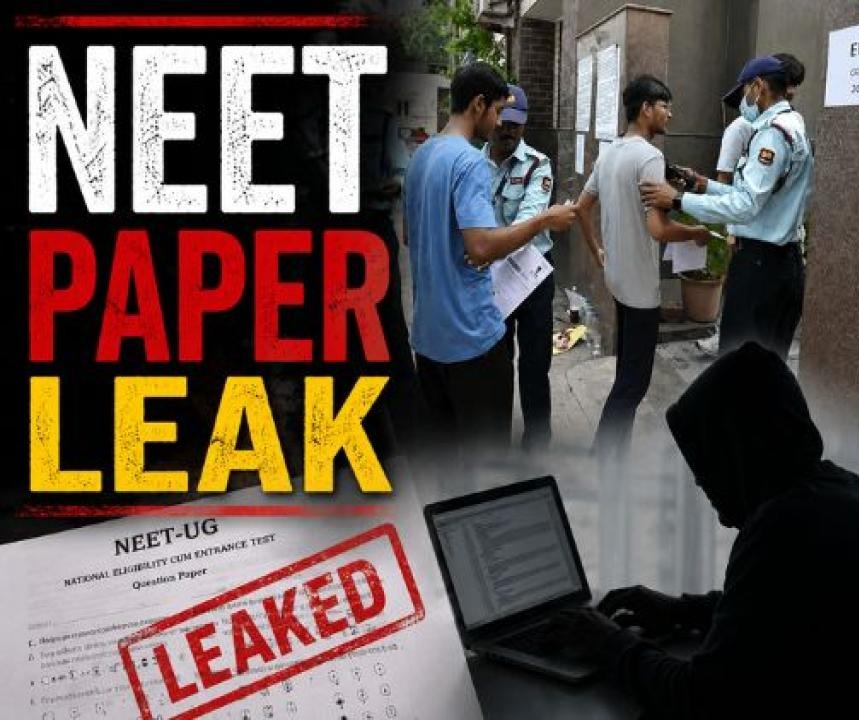
NEET-UG Paper Leak: CBI Unravels Coaching-Middlemen Nexus Spread Over Latur, Pune & Sikar
Subject Experts and Multi-Crore Racket Under Scanner
Legal Framework Tightens Around Exam Malpractices
By Vishwas Kumar
New Delhi: May 23, 2026:
The NEET-UG 2026 paper leak investigation by the CBI has exposed a network involving subject experts, middlemen, and coaching centers. The probe revealed that leaked Chemistry, Biology, and Physics questions were circulated through a multi-crore racket, raising serious concerns about exam integrity and enforcement of laws like the Indian Penal Code (IPC), the Prevention of Corruption Act, and IT Act provisions. The Scandal Unfolds
Readers interested in legal issues surrounding succession, transfer of property, family settlements, and evidentiary appreciation in civil disputes should also review Shakuntala Bai & Others vs Mahaveer Prasad. The judgment highlights how courts assess ownership claims, documentary records, possession, and inheritance rights while adjudicating complex disputes involving family property and succession under Indian civil law.
The Central Bureau of Investigation (CBI) has traced the NEET-UG 2026 paper leak to a nexus involving subject experts, coaching networks, and middlemen. Chemistry, Biology, and Physics questions were allegedly leaked and distributed to select students through organized channels. The racket not only undermines the credibility of India’s largest medical entrance exam but also highlights systemic vulnerabilities in exam security.
Key Laws and Rules Involved
- Indian Penal Code (IPC):
- Section 420 (Cheating): Applied to candidates and intermediaries who knowingly benefited from leaked papers.
- Section 406 (Criminal Breach of Trust): Against insiders who misused entrusted exam material.
- Section 120B (Criminal Conspiracy): To prosecute organized networks behind the leak.
- Prevention of Corruption Act, 1988:
- Used against public servants or exam officials who colluded in the leak.
- Bribery and abuse of official position are punishable with imprisonment and fines.
- Information Technology Act, 2000:
- Section 66 (Computer-related offences): Covers unauthorized access and digital transmission of exam papers.
- Section 67 (Publishing information electronically): Applied if leaked papers were circulated via online platforms.
- CBI’s Special Powers:
- As India’s premier investigative agency, the CBI can probe interstate and organized crime networks, ensuring accountability beyond state boundaries.
The Coaching Network Factor
Investigators found coaching centers played a pivotal role in arranging students, distributing leaked papers, and conducting mock sessions before the exam. This raises questions about the regulation of private coaching institutes, which often operate outside strict oversight.
Judicial and Policy Implications
- Exam Integrity: Courts have repeatedly emphasized the sanctity of competitive exams. Past rulings (e.g., Supreme Court in CBSE v. Aditya Bandopadhyay, 2011) stressed transparency and accountability in exam processes.
- Policy Reform: The scandal may accelerate calls for stricter digital encryption of question papers, biometric verification of candidates, and enhanced monitoring of coaching centers.
- Public Trust: With nearly 24 lakh students appearing for NEET-UG annually, breaches erode confidence in merit-based selection.
The Money Trail
CBI is tracing financial transactions linked to the leak, suggesting a multi-crore racket. Payments allegedly flowed from aspirants’ families to middlemen, then to insiders with access to exam papers. This financial dimension strengthens the case under IPC and corruption laws.
Detailed FAQ
Q1. Which laws apply to exam paper leaks?
- IPC Sections 420, 406, 120B (cheating, breach of trust, conspiracy).
- Prevention of Corruption Act (bribery, abuse of position).
- IT Act Sections 66, 67 (digital offences).
Q2. Who is being investigated in NEET-UG 2026?
Subject experts, coaching centers, and middlemen allegedly involved in leaking Chemistry, Biology, and Physics papers.
Q3. What role do coaching centers play?
They allegedly arranged students, distributed leaked papers, and conducted preparatory sessions.
Q4. How does the CBI investigate such cases?
By tracing the money trail, communication networks, and insider access across states.
Q5. What penalties can accused face?
- Cheating and conspiracy: Up to 7 years imprisonment.
- Corruption offences: Imprisonment and fines.
- IT Act violations: 3–5 years imprisonment plus fines.
Q6. How can exam integrity be protected?
Through digital encryption of papers, biometric verification, stricter monitoring of coaching centers, and real-time surveillance of exam logistics.
Bottom Line: The NEET-UG 2026 paper leak exposes deep vulnerabilities in India’s exam system, implicating subject experts and coaching networks in a multi-crore conspiracy. With the CBI invoking IPC, corruption, and IT laws, the case could set a precedent for tougher regulation of competitive exams and private coaching institutions.