
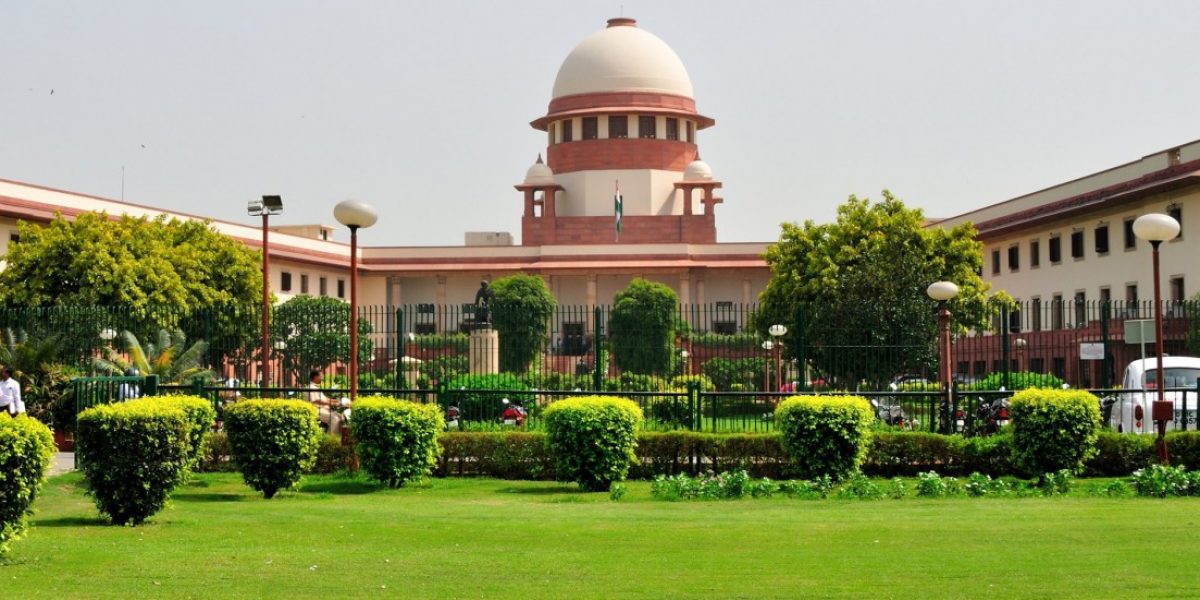
Meena Pradhan and Others v. Kamla Pradhan and Another (2023) 09 SC CK 0045: A Testamentary Landmark
Supreme Court Clarifies Suspicious Circumstances in Will Disputes
Why Lawyers Still Cite This Precedent in Petitions
By Vishwas Kumar
New Delhi: April 15, 2026:
The Supreme Court’s decision in Meena Pradhan and Others v. Kamla Pradhan and Another, Civil Appeal No. 3351 of 2014 has become a touchstone in Indian testamentary jurisprudence. Delivered in 2023, the ruling reaffirmed long-standing principles on the proof of Wills under the Indian Succession Act, 1925 and the Evidence Act, 1872, while clarifying the contours of “suspicious circumstances.” For lawyers drafting petitions or contesting testamentary disputes, this case is frequently cited because it consolidates precedent and provides a clear roadmap for courts when faced with allegations of undue influence, forgery, or lack of testamentary capacity.
Case Title: Meena Pradhan and Others v. Kamla Pradhan and Another, (2023) 09 SC CK 0045 – Civil Appeal No. 3351 of 2014.
To understand key legal principles on inheritance and testamentary disputes, you can read the full judgment here: Meena Pradhan vs Kamla Pradhan Supreme Court Judgment (2023) .
The Core Issue: Suspicious Circumstances
The appeal revolved around whether the Will executed by the testator just seven days before his death was genuine. The defendants alleged multiple suspicious circumstances: proximity to death, non-examination of one attesting witness, questions about mental fitness, alleged bigamy, and unequal distribution of property. Each of these objections was systematically addressed by the Court.
The Supreme Court emphasized that suspicion must be “real, germane and valid, not merely the fantasy of a doubting mind.” This articulation, echoing Shivakumar v. Sharanabasappa (2020), has become a guiding principle. Lawyers often invoke this phrase to argue that speculative doubts cannot derail a valid Will.
Key Observations
- Proximity to Death: The Will was executed a week before the testator’s demise. The Court held that mere timing does not invalidate a Will if attestation and capacity are proved. This shields genuine last-minute Wills from frivolous challenges.
- Attesting Witness Requirement: Section 68 of the Evidence Act requires examination of only one attesting witness if alive and capable. The categorical testimony of PW-2 was deemed sufficient. This precedent is vital in cases where one witness is unavailable.
- Mental Fitness and Free Will: Allegations of unsoundness of mind or coercion must be backed by medical or factual evidence. In absence of such proof, courts presume sound disposing mind. This principle protects testamentary autonomy.
- Family Disputes and Bigamy Allegations: The Court clarified that personal disputes or alleged invalid marriages cannot affect the validity of a Will. Testamentary proof stands independent of matrimonial controversies.
- Unequal Bequest: The Court reiterated that fairness is not the test. A Will reflects the testator’s conscious decision, even if unequal. This shields dispositions favouring one heir over another.
- Forgery Allegations: Both trial and appellate courts found the Will genuine. The Supreme Court upheld concurrent findings, stressing that absent perversity, it will not interfere. This strengthens the doctrine of judicial restraint in factual appreciation.
Precedent Value
The judgment is cited widely because it consolidates multiple strands of testamentary law:
- Burden on Propounder: When suspicion is alleged, the propounder must dispel doubts and satisfy judicial conscience.
- Statutory Compliance: Sections 63 (Succession Act) and 68 (Evidence Act) form the backbone of proof.
- Judicial Conscience Test: Applied only when genuine suspicion exists, not in speculative challenges.
- Concurrent Findings Doctrine: Reinforces appellate discipline in Will disputes.
For lawyers, this case is a ready reference to counter speculative objections in petitions. It provides a checklist: attestation, capacity, voluntariness, and absence of real suspicious circumstances. By citing this case, counsel can argue that courts must not be swayed by family politics or unequal distribution.
Why It Still Resonates
Even though testamentary law is well-settled, disputes often arise from family rivalries. This judgment is powerful because it strips away emotional arguments and focuses on legal essentials. It reassures that courts will protect genuine Wills, even if executed close to death or favouring one heir disproportionately. For practitioners, it is a precedent that balances compassion with legal rigor.
[RESEARCH RESOURCES]
Explore detailed Supreme Court judgments on inheritance and wills here: Supreme Court judgments on wills and inheritance disputes .
EXTRACTS FROM BOOK, WILL WRITING SIMPLIFIED, By Dr Ravinder Kumar Anand. [📘 Buy Will Writing Simplified online: Amazon | Flipkart ]
|
Suspicious Circumstance |
Court’s Observation & Para Reference in the Judgement |
|
Execution of Will close to death (7 days before death) |
The Will dated 30.07.1992 was executed only a week before death, but Court found valid attestation and no lack of capacity. [Para 1, 12–13] |
|
Non-examination of one attesting witness |
Only one attesting witness is sufficient under Section 68 Evidence Act if properly examined. [Para 1, 8, 12] |
|
Challenge to mental fitness |
No medical or factual proof; Will held voluntary and valid. [Para 13] |
|
Family disputes / marriage issues |
Irrelevant to Will validity; personal disputes don’t affect testamentary proof. [Para 15] |
|
Unequal distribution |
Fairness is not the test; intention of testator matters. [Para 10(ix), 13] |
|
Forgery allegations |
No evidence of coercion or manipulation; Will upheld. [Para 13–14] |
|
Statutory compliance |
Section 63 Succession Act + Section 68 Evidence Act satisfied. [Para 7–8] |
|
Burden on propounder |
Must remove all legitimate doubts where suspicion exists. [Para 10(viii)] |
|
Suspicion must be real |
Not based on imagination or speculation. [Para 10(xi)] |
|
Sound mind & free will |
Testator must understand contents and act voluntarily. [Para 10(ix)] |
|
Concurrent findings upheld |
SC won’t interfere unless findings are perverse. [Para 14] |
FAQs
Q1: Does executing a Will close to death automatically make it suspicious?
No. The Supreme Court held that proximity to death is not suspicious if attestation and capacity are proved.
Q2: Is it mandatory to examine all attesting witnesses?
No. Section 68 of the Evidence Act requires only one attesting witness to be examined, provided they are alive and capable.
Q3: What if the testator’s mental fitness is challenged?
Allegations must be supported by medical or factual evidence. Without proof, courts presume sound disposing mind.
Q4: Can family disputes or alleged bigamy affect the validity of a Will?
No. Such personal issues are irrelevant to testamentary proof.
Q5: Is unequal distribution of property a suspicious circumstance?
No. Fairness is not the test. A Will reflects the testator’s conscious and voluntary decision.
Q6: What is the burden on the propounder of a Will?
When suspicion is alleged, the propounder must dispel doubts and satisfy judicial conscience by proving due execution and voluntariness.
Q7: Why do lawyers frequently cite this case?
Because it consolidates precedent on suspicious circumstances, statutory compliance, and judicial conscience, making it a persuasive authority in petitions.
FINAL NOTE:
This ruling in Meena Pradhan v. Kamla Pradhan remains a cornerstone in Indian testamentary law, ensuring that genuine Wills are upheld against speculative challenges and reinforcing the sanctity of a testator’s final wishes.