
Health Insurance Value Shrinks 12% Annually: Legal Safeguards and Policy Remedies
Medical Inflation Outpaces General Inflation, Weakening Policy Coverage
IRDAI Rules and Super Top-Ups Offer Protection Against Rising Costs
By Business Reporter
New Delhi: April 28, 2026:
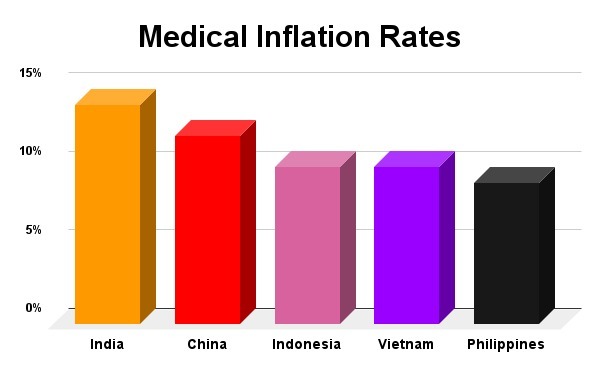
India’s healthcare sector is facing a silent crisis: medical inflation averaging 11–14% annually, nearly double the general inflation rate. This relentless rise in costs erodes the real value of health insurance policies, leaving households vulnerable to catastrophic medical bills. A ₹5 lakh policy that seemed adequate five years ago now covers barely half the cost of a major procedure. The article highlights this widening gap and the legal frameworks designed to address it.
To understand how courts resolve disputes over ownership, possession, and competing property claims, read the judgment in Gopal Krishan vs Daulat Ram, which explains key principles on title verification, evidentiary burden, and adjudication of civil property disputes under Indian law.
The Legal and Regulatory Context
The Insurance Regulatory and Development Authority of India (IRDAI) plays a central role in regulating health insurance. Its rules mandate transparency in claims, standardization of policy terms, and protection of consumer interests. Key legal aspects include:
- IRDAI Guidelines on Health Insurance (2016, updated periodically): Require insurers to clearly disclose exclusions, waiting periods, and claim settlement processes.
- Standardization of Definitions: Terms like “pre-existing disease” and “critical illness” are legally standardized to prevent misinterpretation.
- Claim Settlement Regulations: Insurers must settle claims within 30 days of receiving necessary documents, ensuring timely relief.
- Portability Rights: Policyholders can switch insurers without losing accrued benefits, a safeguard against inadequate coverage.
The Impact of Medical Inflation
Data from ACKO, Care Health Insurance, and WTW surveys show hospitalization claims rising 12–14% annually. For example, infection-related hospitalization costs jumped 160% between 2018 and 2022. This inflation means that a ₹5 lakh policy today has the effective purchasing power of only ₹2.8 lakh compared to current hospital costs.
Structural Drivers of High Costs
Several forces keep medical inflation structurally high:
- Technology Adoption: Advanced procedures like robotic surgery increase both quality and cost.
- Specialist Fees: Demand for trained physicians outpaces supply.
- Chronic Disease Burden: Cancer, cardiovascular, and diabetes treatments are inherently expensive.
- Post-COVID Utilization: Deferred procedures and heightened awareness of chronic risks boosted claims.
Legal Remedies and Policy Solutions
To counter medical inflation, IRDAI encourages innovative policy structures:
- Super Top-Up Policies: Extend coverage beyond a base deductible, offering protection up to ₹50–75 lakh at affordable premiums.
- Restoration Benefits: Policies that reinstate the sum insured after a claim ensure continued protection.
- Critical Illness Covers: Lump-sum payouts on diagnosis of cancer, stroke, or heart attack address income disruption.
- Mandatory Review: Experts recommend reassessing policies every 2–3 years to keep pace with inflation.
The Bigger Picture
Medical inflation is a financial risk most households’ underestimate. Unlike stock market volatility, its impact is invisible until hospitalization occurs. IRDAI’s regulatory framework, combined with consumer awareness, is crucial to bridging the gap between perceived and actual coverage. Without proactive measures, households risk exhausting both insurance and savings during medical emergencies.
[RESEARCH RESOURCES]
BUY & READ THE BOOK, WILL WRITING SIMPLIFIED, By Dr Ravinder Kumar Anand. [📘 Buy Will Writing Simplified online: Amazon | Flipkart ]
FAQ: Key Legal Points
Q1. What is medical inflation and why does it matter for insurance?
Medical inflation refers to the annual rise in healthcare costs, averaging 11–14% in India. It reduces the real value of fixed-sum insurance policies, making them inadequate over time.
Q2. How does IRDAI protect policyholders?
IRDAI mandates claim settlement timelines, standard definitions, portability rights, and transparency in policy terms to safeguard consumer interests.
Q3. What are super top-up policies?
These are add-on covers that activate after a base deductible, extending coverage to ₹50–75 lakh. They are cost-effective compared to increasing base policy sums.
Q4. What is the legal requirement for claim settlement?
Insurers must settle claims within 30 days of receiving all documents, as per IRDAI regulations.
Q5. Can I switch insurers without losing benefits?
Yes. IRDAI’s portability rules allow policyholders to transfer accrued benefits when changing insurers.
Q6. How often should policies be reviewed?
Experts recommend reviewing health insurance every 2–3 years to adjust for medical inflation and ensure adequate coverage.
Context for Citations
The article draws on insurance company data (ACKO, Care Health Insurance, WTW, Aon) and IRDAI regulations to illustrate the erosion of insurance value. These citations provide empirical evidence of medical inflation and highlight the legal safeguards available to policyholders. They serve as authoritative references for understanding both the financial and regulatory dimensions of health insurance in India.