
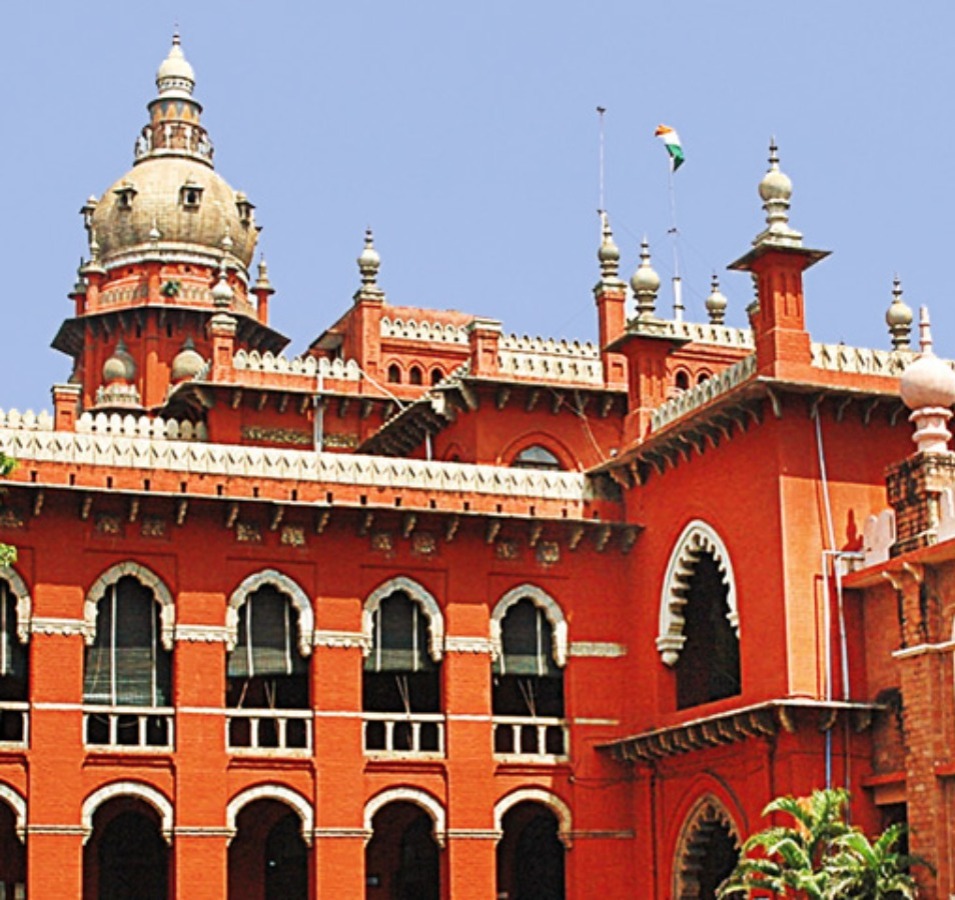
Madras High Court Orders CBI Probe into Bank E-Auction Scandal
Alleged undervaluation of ₹252 crore assets sparks judicial scrutiny
Key debt recovery laws and auction rules under spotlight
By Legal Reporter
New Delhi: June 25, 2026:
The Madras High Court has ordered a Central Bureau of Investigation (CBI) probe into alleged manipulation of a bank e-auction by Indian Overseas Bank (IOB) officials, where properties worth ₹252 crore belonging to PERI Educational and Charitable Trust were sold to SRM University for just ₹45.6 crore—only 18% of market value. This case highlights critical laws governing bank auctions, debt recovery, and fraud prevention.
1. Background of the Case
Petitioner: Saravanan Periyasamy, Chairman of PERI Educational and Charitable Trust.
Loan Details: Trust borrowed ₹48 crore from IOB. A one-time settlement (OTS) of ₹46 crore was agreed in 2024. Trust paid ₹24 crore but sought extension for the balance.
Auction Controversy: Despite repayment efforts and another bank’s willingness to take over the loan, IOB auctioned trust properties worth ₹252 crore to SRM University for ₹45.6 crore.
2. Key Legal Frameworks Involved
a) SARFAESI Act, 2002 (Securitisation and Reconstruction of Financial Assets and Enforcement of Security Interest Act)
Governs banks’ rights to seize and auction secured assets without court intervention.
Requires fair valuation and transparent auction process.
Allegations suggest violation of Section 13(4) (sale of secured assets) and Rule 8 of Security Interest (Enforcement) Rules, 2002 (valuation and auction procedure).
b) Banking Regulation Act, 1949
Mandates fiduciary responsibility of bank officials.
Alleged misconduct may amount to breach of duty and abuse of official position.
c) Indian Penal Code (IPC), 1860
Section 420 (Cheating) – if undervaluation was deliberate.
Section 120B (Criminal Conspiracy) – collusion between bank officials and buyer.
Section 409 (Criminal Breach of Trust by Public Servant) – misuse of authority by bank officials.
d) Prevention of Corruption Act, 1988
If proven that officials acted for personal gain, offences under Section 13(1)(d) (abuse of position to obtain pecuniary advantage) may apply.
3. Judicial Observations
Justice G.K. Ilanthiraiyan emphasized:
Transparency in auctions is non-negotiable.
Allegations of undervaluation and collusion warranted independent investigation by CBI.
Court directed CBI to proceed “in accordance with law,” signaling possible criminal prosecution.
4. Implications for Banking Sector
Trust Deficit: Undermines public confidence in e-auctions.
Policy Review: May trigger stricter RBI guidelines on asset valuation.
Precedent: Reinforces judicial oversight when banks misuse SARFAESI powers.
5. Comparative Cases
ICICI Bank vs Official Liquidator (2010): Supreme Court stressed fair valuation in auctions.
United Bank of India vs Satyawati Tondon (2010): Upheld SARFAESI powers but emphasized due process.
Recent RBI Circulars: Mandate independent valuers and transparent bidding platforms.
6. Analytical Insights
Legal Loopholes: SARFAESI empowers banks but lacks robust safeguards against undervaluation.
Systemic Risk: Collusion between officials and buyers can erode asset recovery mechanisms.
Judicial Intervention: Courts act as corrective mechanism when regulatory checks fail.
FAQ Section
Q1: What is the SARFAESI Act and why is it relevant here?
The SARFAESI Act allows banks to recover loans by auctioning secured assets without court approval. In this case, allegations of undervaluation suggest misuse of SARFAESI powers.
Q2: What rules govern valuation in bank auctions?
Rule 8 of the Security Interest (Enforcement) Rules, 2002 requires:
Independent valuation by approved valuers.
Reserve price based on fair market value.
Transparent auction notice.
Q3: Can undervaluation amount to fraud?
Yes. If officials deliberately undervalue assets to benefit a buyer, it may constitute cheating (IPC 420), conspiracy (IPC 120B), and corruption under the Prevention of Corruption Act.
Q4: What role does the CBI play in such cases?
The CBI investigates complex frauds involving public servants. Here, it will probe allegations of conspiracy, undervaluation, and corruption by IOB officials.
Q5: What remedies does a borrower have against unfair auctions?
File objections under SARFAESI Act before Debt Recovery Tribunal (DRT).
Approach High Court under writ jurisdiction, as done here.
Seek independent valuation and stay of auction.
Q6: How does RBI regulate bank auctions?
RBI mandates:
Use of e-auction platforms.
Independent valuation.
Disclosure of reserve price. Failure to comply can attract regulatory penalties.
Q7: What precedent does this case set?
It reinforces judicial oversight over SARFAESI auctions and signals that undervaluation may attract criminal liability, not just civil remedies.
Q8: Could SRM University face legal consequences?
If proven complicit, SRM University could face charges of conspiracy and corruption. However, liability depends on evidence of collusion.
Q9: How does this case affect other borrowers?
It strengthens borrowers’ rights to challenge unfair auctions and ensures stricter scrutiny of bank practices.
Q10: What broader reforms are needed?
Mandatory third-party valuation audits.
Greater transparency in e-auction platforms.
Stronger borrower safeguards under SARFAESI.
Conclusion
The Madras High Court’s directive for a CBI probe into IOB’s e-auction highlights systemic vulnerabilities in India’s debt recovery framework. While SARFAESI empowers banks, unchecked discretion can lead to abuse. This case may catalyze reforms ensuring fair valuation, transparency, and accountability in bank auctions.