
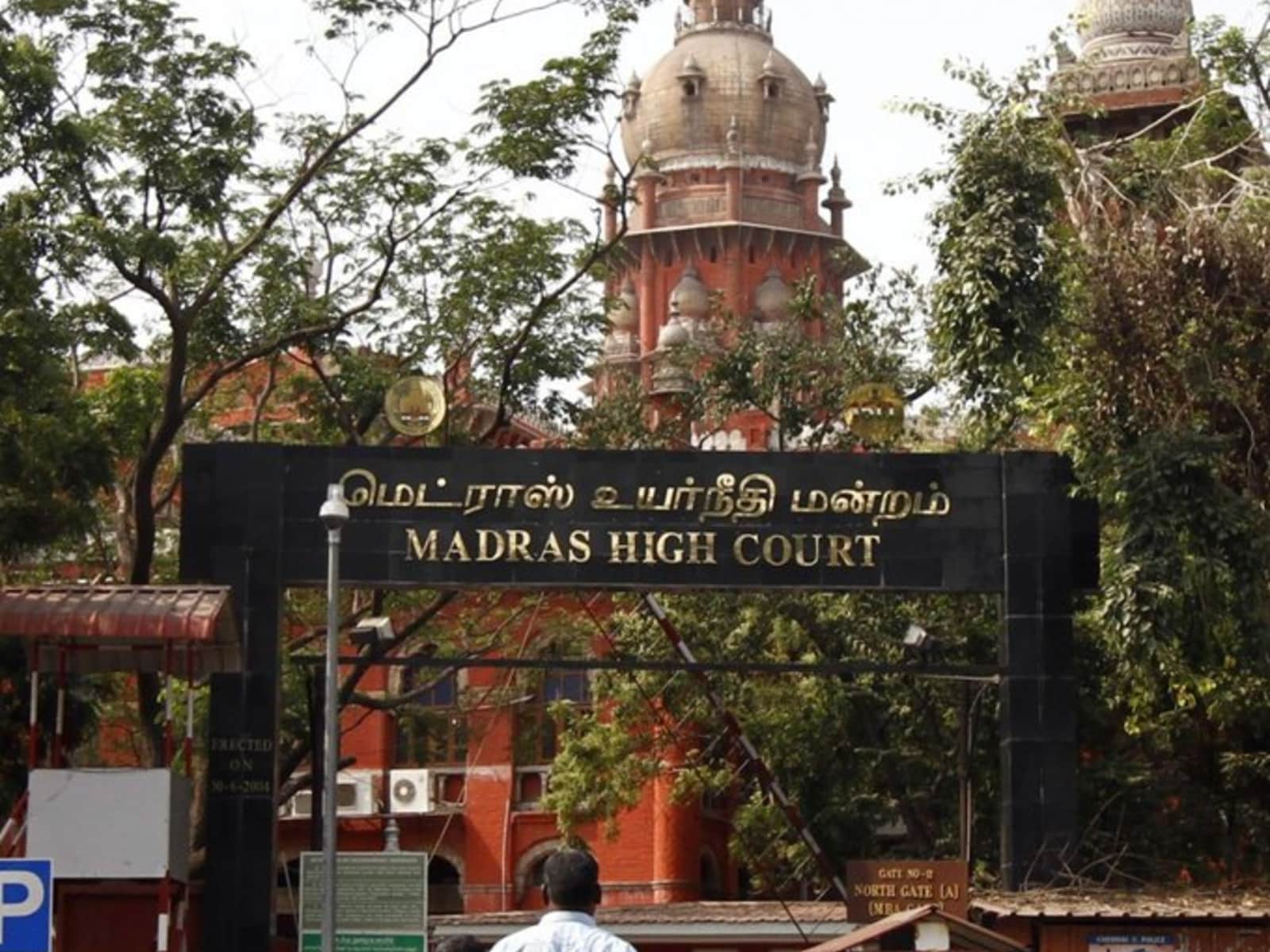
Madras HC Orders Centre to Review Citizenship Plea for Minor Sons of Indian Mother
Section 3(1)(c) Grants Citizenship by Birth When One Parent Is Indian
Court Stresses Timely Inquiry and Fair Hearing in Citizenship Applications
By Our Legal Correspondent
New Delhi: April 11, 2026:
The Madurai Bench of the Madras High Court has directed the Centre to consider a woman’s application for granting Indian citizenship to her minor sons, clarifying that children born in India to one Indian parent are entitled to citizenship under Section 3(1)(c) of the Citizenship Act, 1955. The Court emphasized due process, requiring inquiry by the District Collector before final orders.
Analytical Overview
1. Citizenship by Birth – Section 3(1)(c) of the Citizenship Act, 1955
- Children born in India are citizens if one parent is an Indian citizen at the time of birth.
- The petitioner argued her sons qualify since she is Indian by birth, despite their father being a Sri Lankan refugee.
- The Court noted that registration in Sri Lanka does not negate entitlement under Indian law.
2. Citizenship by Registration – Section 5(4)
- Provides for minor children of Indian citizens to be registered as citizens upon application.
- The petitioner invoked this provision to seek formal recognition for her sons.
3. Procedural Requirements
- Applications must be processed through the District Collector, who conducts a field inquiry.
- Collector gathers factual details, verifies parentage, and forwards findings to the Centre.
- The Court directed the Centre to complete the process within four months.
4. Judicial Directions
- Justice D. Bharatha Chakravarthy emphasized due opportunity for the petitioner.
- If the Centre requires inquiry, it must make a written request to the Collector.
- The ruling ensures administrative accountability and prevents indefinite delays.
[LEGAL RESEARCH RESOURCES]
Check will-related case laws here. Click the link here: https://www.courtkutchehry.com/pages/blog/123-supreme-court-judgments-on-wills/
EXTRACTS FROM BOOK, WILL WRITING SIMPLIFIED, By Dr Ravinder Kumar Anand. [📘 Buy Will Writing Simplified online: Amazon | Flipkart ]
FAQ: Quick Guide
Q1. Can children born in India automatically get citizenship?
Yes, under Section 3(1)(c), if one parent is Indian at the time of birth.
Q2. What if the other parent is a foreign national or refugee?
Citizenship by birth still applies, provided one parent is Indian.
Q3. What is Section 5(4) of the Citizenship Act?
It allows minor children of Indian citizens to be registered as citizens upon application.
Q4. Who processes citizenship applications?
The District Collector conducts inquiries and forwards recommendations to the Centre.
Q5. How long should the process take?
The Court directed completion within four months of inquiry.
Q6. Does foreign registration of the child affect Indian citizenship rights?
No. Indian law governs entitlement if conditions under Section 3(1)(c) are met.
Q7. What role does the High Court play?
It ensures applications are not delayed and directs authorities to act within a timeframe.
Conclusion
This ruling underscores that Indian citizenship by birth is a statutory right when one parent is Indian, regardless of the other parent’s nationality. By directing the Centre to act promptly, the Madras High Court reinforced the principle that bureaucratic delays should not obstruct fundamental entitlements. For families in similar situations, the judgment provides clarity: citizenship claims for minors must be processed fairly, with inquiries completed swiftly and decisions made transparently.