
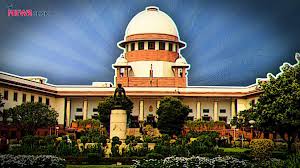
Leela & Others v. Muruganantham & Others (2025) 01 SC CK 0045: A Turning Point in Testamentary Law
Beneficiary’s Active Role Declared a Classic Suspicious Circumstance
Why This Case Is a Frequent Citation in Will Disputes
By Vishwas Kumar
New Delhi: April 15, 2026:
The Supreme Court’s ruling in Leela & Others v. Muruganantham & Others, Civil Appeal No. 7578 of 2023 has emerged as a landmark precedent in Indian testamentary jurisprudence. Delivered in early 2025, the judgment is widely cited by lawyers because it crystallizes the principle that when a beneficiary plays an active role in the preparation or execution of a Will, the burden on the propounder becomes significantly heavier. The Court’s detailed analysis of suspicious circumstances has provided a framework that continues to guide petitions and arguments in probate disputes.
Case Title: Leela & Others v. Muruganantham & Others, (2025) 01 SC CK 0045 – Civil Appeal No. 7578 of 2023.
To understand key principles on will disputes, succession law, and inheritance rights, read the full judgment here: Leela vs Muruganantham Supreme Court judgment on inheritance and wills (2025) .
The Central Issue: Suspicious Circumstances
The case revolved around a contested Will allegedly executed by a testator in poor health. The propounder, Leela, was both a principal beneficiary and actively involved in the execution process. The Court identified multiple suspicious circumstances: stamp papers purchased in her name, contradictory statements about the place of execution, mismatched signatures, and unreliable testimony from a related attesting witness. Together, these factors undermined the genuineness of the Will.
The Court emphasized that mere registration or formal proof of execution is insufficient if suspicious circumstances remain unresolved. This principle has become a cornerstone in probate litigation, ensuring that courts look beyond technical compliance to the substance of voluntariness and comprehension.
Key Observations
- Active Role of Beneficiary: The Court held that Leela’s involvement in purchasing stamp papers and concealing her role was a “classic suspicious circumstance.” When a beneficiary orchestrates execution, the burden on the propounder is heightened.
- Stamp Paper Discrepancy: The Will was typed on papers purchased in Leela’s name at Tenkasi, though claimed to be executed at Madurai. This mismatch raised grave doubts about authenticity.
- Contradictory Recitals on Health: The Will stated the testator was of sound mind yet suffering from heart disease. Such contradictions created uncertainty about his condition.
- Non-matching Signatures: The testator’s signature on the Will did not match his known signature on a prior partition deed, undermining genuineness.
- Failure to Examine Scribe/Typist: While non-examination is not always fatal, in this case, given multiple doubts, it added to suspicion.
- Geographical Inconsistency: The Will was said to be executed at Madurai though the testator lived in Tenkasi. This “unnatural” choice of venue was suspect.
- Attesting Witness Related to Beneficiary: DW2, the attesting witness, was Leela’s brother. His testimony was deemed unreliable and self-serving.
- Absence of Proof of Volition: No evidence showed that the testator read or understood the Will. The Court stressed that comprehension and voluntariness are essential.
- Sound Mind Requirement: Evidence suggested the testator was in poor health and under treatment, contradicting claims of sound disposing mind.
- Concurrent Findings: Both the Trial Court and High Court had declared the Will not genuine. The Supreme Court upheld these findings, reinforcing appellate discipline.
Precedent Value
This case is frequently cited because it consolidates several critical principles:
- Active Involvement of Beneficiary: A red flag that demands heightened scrutiny.
- Suspicious Circumstances Doctrine: Courts must be satisfied that all legitimate doubts are dispelled before accepting a Will.
- Proof Beyond Formalities: Registration or attestation alone does not suffice; voluntariness and comprehension must be proved.
- Judicial Conscience Test: The propounder must remove suspicion to satisfy the Court’s conscience.
- Concurrent Findings Rule: Supreme Court will not disturb concurrent factual findings absent perversity.
For lawyers, this case is a powerful citation in petitions where beneficiaries are alleged to have manipulated execution. It provides a checklist of suspicious circumstances and clarifies that concealment, contradictions, and unnatural execution locations can collectively invalidate a Will.
Why It Still Resonates
Family disputes over inheritance often involve allegations of manipulation by one heir. This judgment is significant because it demonstrates that courts will not rubber-stamp Wills where beneficiaries play an active role. It reassures litigants that judicial scrutiny extends beyond technical compliance to the heart of testamentary freedom — voluntariness, comprehension, and authenticity. For practitioners, it is a precedent that strengthens arguments against dubious Wills and ensures fairness in succession disputes.
[RESEARCH RESOURCES]
Access key Supreme Court judgments on wills and inheritance disputes here: Supreme Court judgments on wills and probate law in India .
EXTRACTS FROM BOOK, WILL WRITING SIMPLIFIED, By Dr Ravinder Kumar Anand. [📘 Buy Will Writing Simplified online: Amazon | Flipkart ]
| Suspicious Circumstance | Court’s Observation & Para Reference in the Judgement |
| Beneficiary’s active role in execution | Beneficiary played active role and denied involvement → Court treated it as serious suspicion. [Para 14–18, 24–25] |
| Stamp papers in beneficiary’s name | Mismatch in location and purchase raised doubts about authenticity. [Para 14, 17, 25, 30] |
| Contradictory health condition | Will showed both sound mind & illness → contradiction created suspicion. [Para 15(ii), 17] |
| Non-matching signatures | Signature mismatch weakened genuineness. [Para 15(iii)] |
| Non-examination of scribe | Failure to examine key persons added to suspicion. [Para 15(iv)-(v), 27] |
| Place of execution discrepancy | Madurai vs Tenkasi inconsistency created doubt. [Para 15(vi), 28–30] |
| Will not read/understood | No proof testator understood contents. [Para 15(vii), 26] |
| Witness related to beneficiary | Witness credibility doubtful due to relation. [Para 24–25, 28] |
| Execution far from residence | Unnatural execution location raised suspicion. [Para 29–30] |
| No proof of sound mind | Evidence showed poor health → doubt on capacity. [Para 17, 24, 25] |
| Failure to prove voluntariness | Propounder failed to remove suspicion. [Para 26, 31] |
| Statutory compliance required | Section 63 + Section 68 must be satisfied. [Para 20–23] |
| Mere registration not enough | Suspicion must still be cleared. [Para 20] |
| Heavy burden on propounder | Must satisfy judicial conscience. [Para 14–15, 31] |
| Proof of free will essential | Testator must act knowingly and voluntarily. [Para 23–24] |
| Concurrent findings upheld | SC upheld lower courts declaring Will invalid. [Para 31–32] |
FAQs
Q1: Why was Leela’s involvement considered suspicious?
Because she purchased the stamp papers and concealed her role, creating doubts about authenticity.
Q2: Does registration of a Will guarantee its genuineness?
No. The Court held that mere registration or formal proof is insufficient if suspicious circumstances remain.
Q3: What if the testator’s signature does not match earlier documents?
Non-matching signatures are a strong suspicious circumstance undermining genuineness.
Q4: Is non-examination of the scribe always fatal?
Not always, but in cases with multiple contradictions, failure to examine adds to suspicion.
Q5: Why was the place of execution important?
Because the Will was claimed to be executed at Madurai though the testator lived in Tenkasi, making it unnatural.
Q6: Can an attesting witness related to a beneficiary be reliable?
Such testimony is often treated with caution, as it may be self-serving.
Q7: What burden does the propounder carry in suspicious cases?
The propounder must dispel every legitimate suspicion and prove voluntariness, comprehension, and sound mind.
Q8: Why do lawyers cite this case?
Because it establishes that active involvement of a beneficiary is a classic suspicious circumstance, making it a persuasive precedent in Will disputes.
FINAL NOTE:
The ruling in Leela v. Muruganantham remains a landmark, ensuring that courts protect testamentary freedom while guarding against manipulation, and continues to be a vital citation in inheritance litigation.