
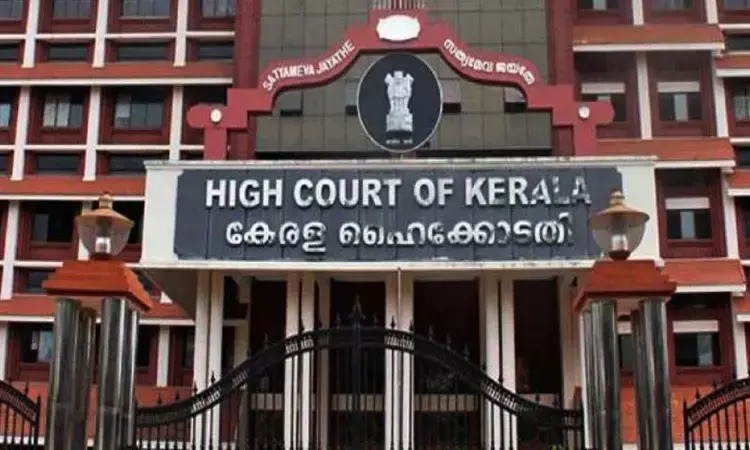
Kerala HC: Objections to Power of Attorney in Cheque Bounce Cases Must Be Raised Early
Section 465 CrPC bars late-stage technical objections
Convictions under Section 138 NI Act remain unaffected at revision
By Our Legal Correspondent
New Delhi: May 20, 2026:
The Kerala High Court has clarified that objections regarding the competence of a power of attorney holder to file a complaint under Section 138 of the Negotiable Instruments Act (NI Act) cannot be raised for the first time at the revision stage. The ruling underscores the importance of timely objections and highlights the interplay of Section 138 NI Act with Section 465 CrPC.
The Supreme Court judgment in Smt. Malkani Vs Jamadar and Others is a significant authority on inheritance rights, succession disputes, and interpretation of family property claims under Indian law. The Court examined the legal framework governing succession and emphasized the importance of credible evidence, lawful entitlement, and judicial scrutiny while resolving disputes between competing heirs and claimants.
Analytical Breakdown of Key Legal Rules
1. Section 138 of the Negotiable Instruments Act
- Purpose: Criminalizes dishonour of cheques due to insufficiency of funds.
- Penalty: Imprisonment up to two years or fine up to twice the cheque amount.
- Complaint Filing: Can be initiated by the payee or holder in due course.
2. Power of Attorney Holder – Competence to File Complaint
- Courts have recognized that a power of attorney holder can file complaints if duly authorized.
- However, disputes often arise when the holder’s competence is questioned.
3. Section 465 CrPC – Effect of Errors and Irregularities
- Provides that no finding, sentence, or order shall be reversed due to procedural errors unless they cause a failure of justice.
- The Kerala High Court applied this principle, holding that objections not raised at trial cannot be entertained at revision.
4. Court’s Observations
- Justice G. Girish emphasized that revision is not a forum to raise fresh technical objections.
- If the accused failed to challenge the competence of the power of attorney holder during trial, they cannot later use it to assail conviction.
- The ruling ensures that convictions under Section 138 NI Act are not derailed by belated procedural challenges.
Comparative Table: Trial vs. Revision Stage Objections
|
Aspect |
Trial Stage |
Revision Stage |
|
Objection to Power of Attorney Competence |
Can be raised and adjudicated |
Cannot be raised for the first time |
|
Evidence Consideration |
Court examines authorization documents |
Revision court only checks legality, not fresh evidence |
|
Outcome Impact |
May affect validity of complaint |
No impact unless failure of justice shown |
|
Legal Basis |
Section 138 NI Act |
Section 465 CrPC |
FAQs for Quick Understanding
Q1: Can a power of attorney holder file a cheque bounce complaint?
Yes, if duly authorized. Courts have upheld such complaints as valid under Section 138 NI Act.
Q2: What if the accused believes the power of attorney holder is incompetent?
The objection must be raised during trial. If not, it cannot be raised later at the revision stage.
Q3: Why did the Kerala High Court reject late objections?
Because Section 465 CrPC prevents reversal of convictions based on procedural irregularities unless they result in a miscarriage of justice.
Q4: What is the practical impact of this ruling?
It prevents accused persons from using technical objections at a late stage to escape liability in cheque bounce cases.
Q5: Does this mean all power of attorney complaints are valid?
Not automatically. Competence must be established at trial. The ruling only bars late-stage objections.
Conclusion
The Kerala High Court’s decision reinforces the principle that procedural objections must be timely. By invoking Section 465 CrPC, the Court ensured that convictions under Section 138 NI Act cannot be undermined by belated challenges to the competence of a power of attorney holder. This ruling strengthens the integrity of cheque bounce prosecutions and emphasizes that revision is meant to correct legal errors, not to reopen factual disputes.