
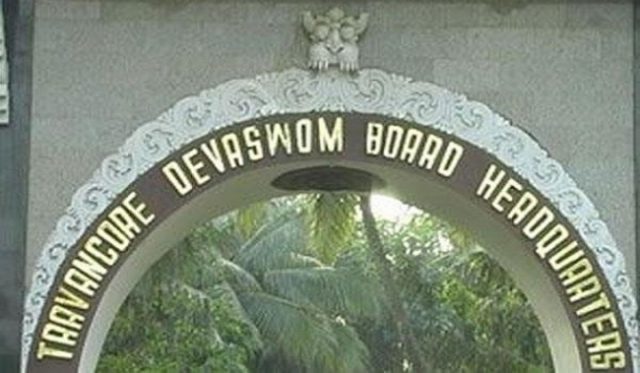
Kerala HC Slams 17-Year Audit Delay in Devaswom Board
Judges demand accountability in temple administration audits
Travancore-Cochin Act mandates annual financial scrutiny
By Our Legal Correspondent
New Delhi: June 14, 2026:
The Kerala High Court has summoned the Director of Devaswom Audit to explain a staggering 17-year delay in finalizing the Travancore Devaswom Board’s accounts for 2008–2009. The Court stressed that such extraordinary delays defeat the purpose of statutory audits, which are meant to ensure accountability, transparency, and timely corrective action.
Background of the Case
Audit period: Financial year 2008–2009.
Delay: More than 17 years without completion.
Case reference: DBAR No. 2 of 2011.
Court Bench: Justice Raja Vijayaraghavan V. and Justice K.V. Jayakumar.
Order: Director of Devaswom Audit must submit a comprehensive statement explaining pending objections, reasons for delay, and timeframe for completion.
Key Legal Framework
Travancore-Cochin Hindu Religious Institutions Act, 1950
Section 32: Mandates annual auditing of accounts of the Travancore Devaswom Board (TDB).
Audit report: Must highlight irregularities, illegalities, and financial losses due to misconduct.
High Court’s role: Receives audit reports, forwards them to the Board, and ensures compliance.
Role of the Ombudsman
Audit reports referred to Ombudsman for scrutiny.
Board required to respond to objections and rectify irregularities.
Court’s Observations
Extraordinary delay undermines accountability.
Audit objections pending for nearly two decades raise serious concerns about efficacy of audit mechanisms.
Possible causes: Systemic deficiencies, poor maintenance of accounts, lack of cooperation, or procedural bottlenecks.
Directive: Director must explain why matters remain pending despite multiple opportunities.
Analytical Perspective
1. Accountability in Religious Institutions
The ruling underscores the importance of financial transparency in temple administration, which handles vast public donations and assets.
2. Systemic Weaknesses
The delay highlights structural inefficiencies in audit mechanisms, including lack of enforcement and bureaucratic inertia.
3. Judicial Oversight
By summoning the Audit Director, the Court reinforced its supervisory role in ensuring compliance with statutory mandates.
4. Public Trust
Delays erode devotee confidence in temple management, making timely audits essential for credibility.
Comparative Case Law
Supreme Court in TDB v. State of Kerala (2018): Emphasized transparency in temple administration.
Kerala HC in Sabarimala-related audits (2020): Directed strict compliance with audit timelines.
Broader Implications
For Audit Departments: Need to strengthen capacity and enforce deadlines.
For Devaswom Boards: Must maintain proper accounts and cooperate with auditors.
For Devotees: Assurance that donations are properly managed.
FAQ: Quick Legal Index
What is the Travancore-Cochin Hindu Religious Institutions Act?
A 1950 law governing temple administration in Kerala, including financial audits.
What does Section 32 mandate?
Annual audits of Devaswom Board accounts, with reports submitted to the High Court.
Why is the audit delay significant?
Because statutory audits are meant to ensure accountability and transparency; a 17-year delay defeats this purpose.
Who conducts the audits?
The Kerala State Audit Department, under the Director of Devaswom Audit.
What role does the High Court play?
It supervises audits, forwards reports to the Board, and ensures compliance.
What happens if audits are delayed?
It raises concerns of mismanagement, lack of accountability, and possible financial irregularities.
Can the Court summon audit officials?
Yes, as seen in this case, the Court can demand explanations for delays.
What is the role of the Ombudsman?
To scrutinize audit reports and ensure corrective measures are taken.
What are the broader implications?
Strengthening audit mechanisms, ensuring transparency, and restoring public trust in temple administration.
Conclusion
The Kerala High Court’s intervention in the Travancore Devaswom Board audit delay is a critical step in reinforcing accountability in temple administration. By demanding explanations from the Audit Director, the Court has signalled that statutory mandates cannot be ignored. This ruling will likely push for systemic reforms in audit mechanisms, ensuring that religious institutions remain transparent and trustworthy custodians of public faith and resources.