
Beyond Conservation Clout: Karnataka Forest Department’s Landmark Chargesheet Over King Cobra Exploitation Exposes Legal Boundaries of Wildlife Handling
Decoding the Statutory Framework of the Wildlife (Protection) Act, 1972 and Eco-Sensitive Zone Regulations in the Wake of the Kalinga Centre Chargesheet
Analyzing Criminal Liability, Procedural Mandates, and the Strict Liability Paradigm Governing Schedule I Species in India’s Western Ghats
By Legal Editor
New Delhi: September 14, 2026:
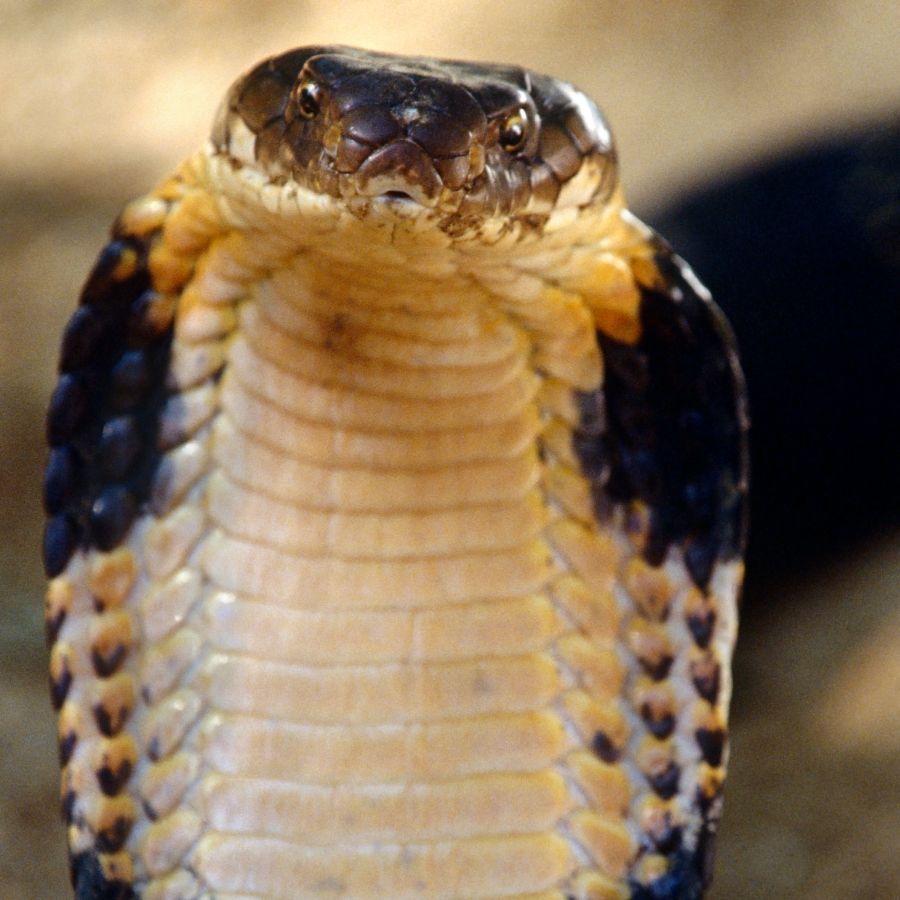
The intersection of wildlife conservation, social media celebrity culture, and stringent environmental jurisprudence came to a head in Karnataka’s Shivamogga district. The Agumbe Range Forest Officer formally submitted a comprehensive chargesheet before the Senior Civil Judge and Judicial Magistrate First Class (JMFC) Court in Thirthahalli against P. Gowrishankar, the founder of the Kalinga Centre for Rainforest Ecology (KCRE). This legal action follows an exhaustive, year-long investigation initiated by the Karnataka Forest Department into allegations that the revered King Cobra—a species enjoying the highest level of statutory protection in India—was subjected to commercial exploitation, unauthorized handling, and sensationalized digital propagation under the guise of conservation outreach.
At the heart of this high-profile legal battle lies a fundamental question: Where does legitimate wildlife rescue and scientific observation end, and unlawful captivity, disturbance, and commercial exploitation begin under Indian law? The chargesheet alleges multiple statutory infractions under the Wild Life (Protection) Act, 1972, focusing heavily on sections that regulate hunting, possession, enforcement powers, judicial cognizance, and legal presumptions. Furthermore, the controversy brings into sharp focus the governance of Eco-Sensitive Zones (ESZs) across the ecologically fragile landscapes of the Western Ghats, drawing intense scrutiny from environmental activists, forest authorities, and judicial bodies alike.
To fully understand the gravity of this legal proceeding, one must examine the specific statutory provisions invoked by the forest administration. The Wild Life (Protection) Act of 1972 stands as India’s umbrella legislation designed to safeguard wild animals, birds, and plants, ensuring ecological and environmental security. Within this legislative framework, species are categorized into various schedules based on their conservation status and vulnerability. The King Cobra is classified under Schedule I, granting it absolute protection against poaching, killing, capturing, trading, or any form of unauthorized interference. Schedule I species represent endangered fauna whose protection is paramount, and violations involving these animals attract the harshest penal consequences prescribed by Indian environmental law. Historically, the Act has evolved through critical amendments—such as the landmark amendments in 2002 and 2006—to tighten loopholes and enhance penalties for wildlife trafficking and habitat degradation, reflecting India's international commitments to biodiversity preservation.
The prosecution’s case against KCRE centers significantly on Section 2(1)(16) of the Act, which provides an expansive and uncompromising legal definition of "hunting". Under this statutory provision, hunting is not merely the act of shooting or killing an animal; it explicitly encompasses capturing, snaring, trapping, poisoning, driving, baiting, or injuring any wild or captive animal, as well as every attempt to do so. Moreover, hunting includes taking any part of the body of such an animal. According to the investigation, capturing the King Cobra, physically handling or touching it for photographic and video sessions, and subsequently disseminating these media clips on social media platforms constitute direct statutory violations of the definition of hunting. The defense articulated in the accused's statement—that the snake wandered onto farmland adjacent to the forest and was merely captured and released while workers recorded it—does not exonerate the individual under the strict parameters of the WPA, as unauthorized capture and handling of a Schedule I species remain categorically prohibited without explicit statutory permits issued by the competent authority. Legal experts emphasize that wildlife handling requires institutional authorization and trained scientific oversight, rather than ad-hoc intervention driven by digital content creation.
The chargesheet also invokes Section 50 of the Wild Life (Protection) Act, which outlines the extensive powers of entry, search, arrest, and detention vested in forest officers and wildlife authorities. Under Section 50, authorized forest officials possess the legal mandate to inspect premises, confiscate traps, tools, and vehicles used in suspected wildlife offenses, and detain individuals involved. In the KCRE investigation, forest officials executed a thorough search at the Kalinga Mane facility in Guddekeri Post, Hosuru, confiscated specialized snake-handling tools, and conducted a formal mahzar of the premises. This statutory power is crucial for gathering irrefutable physical evidence in wildlife crimes, where physical tools and digital media trails often serve as primary proof of illegal capture and handling.
Furthermore, Section 51 of the Act establishes the stringent penal architecture for infractions. Because the King Cobra is a Schedule I animal, offenses committed against it invite rigorous imprisonment terms and substantial monetary fines, with enhanced mandatory minimum sentences stipulated for second or subsequent convictions. The legislative intent behind Section 51 is clear: to create a powerful deterrent against the commercialization, exhibition, and unauthorized handling of vulnerable apex species that play a vital role in maintaining rainforest ecosystems. Judicial precedents across various Indian high courts consistently uphold that economic or educational rationales do not dilute the mandatory penal consequences of violating Schedule I protections.
Procedural compliance under Section 55 of the Act represents another critical dimension of this case. Unlike standard criminal procedure codes where police departments independently file chargesheets and investigate routine penal code violations, Section 55 dictates that courts can take cognizance of an offense under the WPA only upon a formal complaint lodged by authorized officers, such as the Chief Wildlife Warden or other designated persons. Activist Nagaraj Koove’s detailed complaints, petitions, and submission of documented evidence directly catalyzed the formal registration of this case, navigating the specific procedural requirements mandated for wildlife jurisprudence in India.
Complementing these provisions is Section 57, which introduces a formidable legal presumption regarding possession. Under Section 57, when a person is found in possession of any wild animal, animal article, meat, trophy, or any trap, tool, or vehicle involved in an offense, the court shall presume—until the contrary is proved by the accused—that the person is in unlawful possession. This shifts a significant evidentiary burden onto the defence, requiring them to legally substantiate any claim of lawful exemption or authorized research.
Beyond the direct provisions of the Wildlife (Protection) Act, this legal controversy extends into environmental governance through Eco-Sensitive Zone (ESZ) regulations. Situated within the sensitive ecological matrix surrounding the Kudremukh National Park and the Western Ghats, KCRE’s operations have faced persistent allegations regarding ESZ violations. A report submitted in September 2025 by the Chief Conservator of Forests, Shivamogga Circle, explicitly highlighted that the facility had breached established ESZ norms. Environmental watchdogs and complainants argue that commercial activities, media shoots, and anthropogenic pressures within protected buffer zones undermine the ecological integrity of the Western Ghats. While senior forest officials, including the Kundapura Deputy Conservator of Forests and in-charge DCF of Kudremukh National Park, have affirmed their commitment to reviewing these pending ESZ complaints before the monitoring committee, the case underscores the urgent necessity of harmonizing conservation research with strict adherence to environmental zoning laws.
Ultimately, the chargesheet against KCRE serves as a watershed moment in Indian wildlife jurisprudence. It challenges the cultural narrative that certain charismatic researchers or conservation centers operate above regulatory scrutiny. By enforcing the letter of the law regarding unauthorized capture, digital exploitation, and eco-sensitive zone infractions, the Karnataka Forest Department has reinforced the principle that wildlife conservation cannot rely on practices that compromise the welfare and legal immunity of protected species. As the judicial proceedings unfold before the Thirthahalli court, the case will undoubtedly set a vital precedent for how wildlife interaction, digital content creation, and ecological research are regulated across India’s biodiversity hotspots. Furthermore, legal analysts point out that the evolving judicial interpretation of environmental statutes in India increasingly prioritizes ecological preservation over traditional leniency toward individual researchers. As courts grapple with the implications of digital dissemination and public spectacle involving endangered wildlife, this landmark prosecution in Thirthahalli marks a turning point. It compels all stakeholders—ranging from grassroots conservationists and academic institutions to eco-tourism operators—to strictly align their fieldwork and public engagement activities with the letter and spirit of national conservation laws.
Frequently Asked Questions: Legal Framework, Wildlife Protection, and the KCRE King Cobra Chargesheet
Q1: What specific legislation forms the basis of the chargesheet filed against the Kalinga Centre for Rainforest Ecology (KCRE)?
A: The chargesheet is filed primarily under the Wild Life (Protection) Act, 1972, which serves as India’s comprehensive umbrella legislation for the protection of wild animals, birds, and plant species. Additionally, the case involves rigorous scrutiny under Eco-Sensitive Zone (ESZ) regulations governing buffer areas around protected national parks in the Western Ghats.
Q2: Why is the King Cobra afforded exceptional legal protection under Indian law?
A: The King Cobra (Ophiophagus hannah and its newly recognized species complexes) is listed under Schedule I of the Wild Life (Protection) Act, 1972. Schedule I grants absolute legal protection to endangered and vulnerable fauna, making it strictly illegal to hunt, capture, trap, handle, or commercially exploit them without explicit statutory permits from state wildlife authorities.
Q3: How does Section 2(1)(16) of the Wild Life (Protection) Act define "hunting," and how does it apply to this case?
A: Section 2(1)(16) defines "hunting" broadly to include not only killing or poisoning but also capturing, snaring, trapping, driving, baiting, or injuring any wild or captive animal, as well as every attempt to do so. In this case, capturing the snake and handling it for photo and video shoots uploaded to social media constitutes unlawful hunting under this expansive statutory definition, regardless of whether the animal was subsequently released.
Q4: What powers do forest officers possess under Section 50 of the Act during investigations?
A: Section 50 empowers authorized forest officers and wildlife wardens to enter premises, conduct searches, arrest suspects without warrants under specific conditions, and detain individuals. It also grants them the statutory authority to seize vehicles, traps, tools, and digital equipment involved in suspected wildlife offenses, as demonstrated by the confiscation of snake-handling tools at the KCRE facility.
Q5: What are the legal penalties stipulated under Section 51 for violating protections granted to Schedule I species?
A: Section 51 prescribes the penal consequences for offenses committed under the Act. For Schedule I violations, the law imposes rigorous imprisonment terms and substantial financial fines. In cases of second or subsequent convictions, the statute mandates harsher minimum prison sentences ranging from three to seven years, alongside increased monetary penalties.
Q6: How does Section 55 govern the judicial cognizance of wildlife offenses in India?
A: Section 55 dictates that courts can take cognizance of any offense under the Wild Life (Protection) Act only upon a formal complaint made by an authorized officer (such as the Chief Wildlife Warden) or by a person who has given notice of the alleged offense to the central or state government. This distinguishes wildlife prosecutions from standard criminal procedure code cases, necessitating formal complaints like those initiated by activist Nagaraj Koove.
Q7: What is the significance of Section 57 regarding the legal burden of proof and possession?
A: Section 57 establishes a legal presumption of unlawful possession. When a person is found in possession of government property—such as wild animals, animal articles, meat, trophies, or tools/traps used in an offense—the court presumes the possession to be illegal until the accused proves otherwise, placing the heavy evidentiary burden squarely on the defence.
Q8: What are Eco-Sensitive Zone (ESZ) rules, and how do they relate to the KCRE investigation?
A: Eco-Sensitive Zones are designated buffer areas around national parks and wildlife sanctuaries intended to act as shock absorbers by regulating commercial, industrial, and anthropogenic activities. In this case, reports from forest authorities (including a September 2025 assessment by the Shivamogga Circle Chief Conservator of Forests) alleged that KCRE violated ESZ regulations, prompting further administrative review by the Kudremukh National Park monitoring committee.
Q9: Does finding a wild animal on private farmland exempt a landowner from wildlife protection laws?
A: No. While wild animals frequently wander into agricultural lands adjacent to forests in search of food and water, unauthorized capture, handling, or detention of a Schedule I species by private individuals remains illegal. Standard protocols require notifying forest department officials rather than taking direct capture or handling actions for social media propagation.
Q10: What broader precedent does this chargesheet set for wildlife conservation and research centers in India?
A: This legal action establishes a critical precedent emphasizing that no institution or researcher is exempt from statutory compliance. It signals a strict regulatory shift against the commercialization of wildlife for digital popularity, ensuring that conservation outreach strictly adheres to the legal frameworks established by the Wild Life (Protection) Act and environmental zoning laws.