

Karnataka High Court Examines ‘Right to Be Forgotten’ in Sri Lankan Judge’s Defamation Case
Notices issued to MeitY and Google India
Petition seeks removal of defamatory online content
By Our Legal Correspondent
New Delhi: March 07, 2026:
Also Read: DRT Orders Karur Vysya Bank Recovery of ₹99 Lakh from Defaulting Borrower
In a case that could shape the future of digital privacy and reputation rights in India, the Karnataka High Court has taken up a petition filed by Justice A.H.M.D. Nawaz, a sitting judge of the Supreme Court of Sri Lanka. The judge has sought removal of allegedly defamatory online content under the “right to be forgotten”, arguing that outdated and misleading reports continue to harm his reputation internationally.
Background of the Petition
- Justice Nawaz approached the Karnataka High Court under Article 226 of the Constitution of India.
- He requested directions to MeitY and Google India to remove defamatory content and block URLs of old reports published by Sri Lankan outlets such as Colombo Telegraph and Lankenews.
- The reports, dating back to 2015 and 2020, related to controversies that have since been dismissed.
- The petition also sought a ban on reproduction of similar material in the future.
Also Read: Delhi High Court Quashes Attempt-to-Murder Case, Calls Mother–Child Bond Sacrosanct
[Recommended Research Resources]
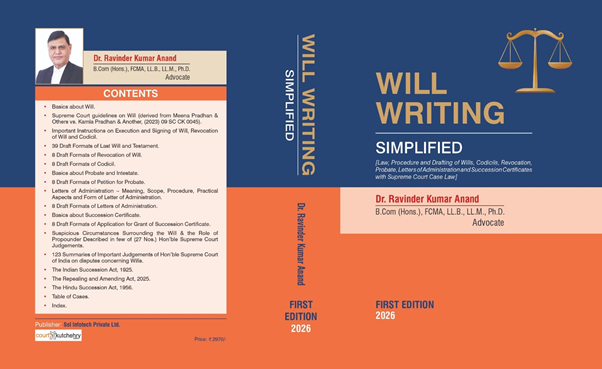
📘 Legal professionals and students alike will benefit from Will Writing Simplified, which covers procedure and case law in detail.
🔹 Buy on Amazon
🔹 Buy on Flipkart
Also Read: Karnataka High Court Denies Custody to Mother Accused in Prostitution Racket
Court’s Response
- Justice Sachin Shankar Magadum of the Karnataka High Court issued notices to MeitY and Google India, directing them to respond by March 16, 2026.
- The Court also asked the petitioner’s counsel to serve notices to Sri Lankan newspapers via email.
- The matter has been listed for further hearing, making it one of the first high-profile cases where a foreign judge has sought relief under India’s constitutional framework.
Legal Significance
- Right to Be Forgotten: Though not explicitly codified in Indian law, courts have recognized it as part of the right to privacy under Article 21.
- Cross-Border Implications: The case highlights how Indian courts may play a role in regulating global digital platforms like Google.
- Defamation vs Free Speech: The petition raises questions about balancing reputation rights with freedom of expression and press.
Implications
Also Read: MP High Court Orders Enquiry Against Trial Judge Over Non-Compliance
- For Individuals: Strengthens the argument that outdated or misleading online content can be challenged legally.
- For Tech Companies: Platforms like Google may face increasing obligations to remove or de-index defamatory content.
- For Judiciary: Sets a precedent for how Indian courts handle petitions involving foreign nationals invoking constitutional rights.
Conclusion
The Karnataka High Court’s handling of Justice Nawaz’s petition could become a landmark in shaping India’s approach to the right to be forgotten. By issuing notices to MeitY and Google India, the Court has signalled its willingness to examine how digital platforms should balance free speech with protection of reputation in the age of permanent online records.
Keywords for Faster Searches
Also Read: RBI Caps Digital Fraud Claims at ₹50,000: Banks Must Prove Customer Liability
- Karnataka High Court right to be forgotten
- Justice A.H.M.D. Nawaz petition India
- Google India defamation removal case
- MeitY notice Karnataka HC 2026
- Sri Lankan judge defamation online content
- Right to privacy Article 21 India
- Defamation vs free speech India
Also Read: ITAT Quashes Lalit Modi’s Reassessment: Credit Card & Private Jet Expenses Disputed