
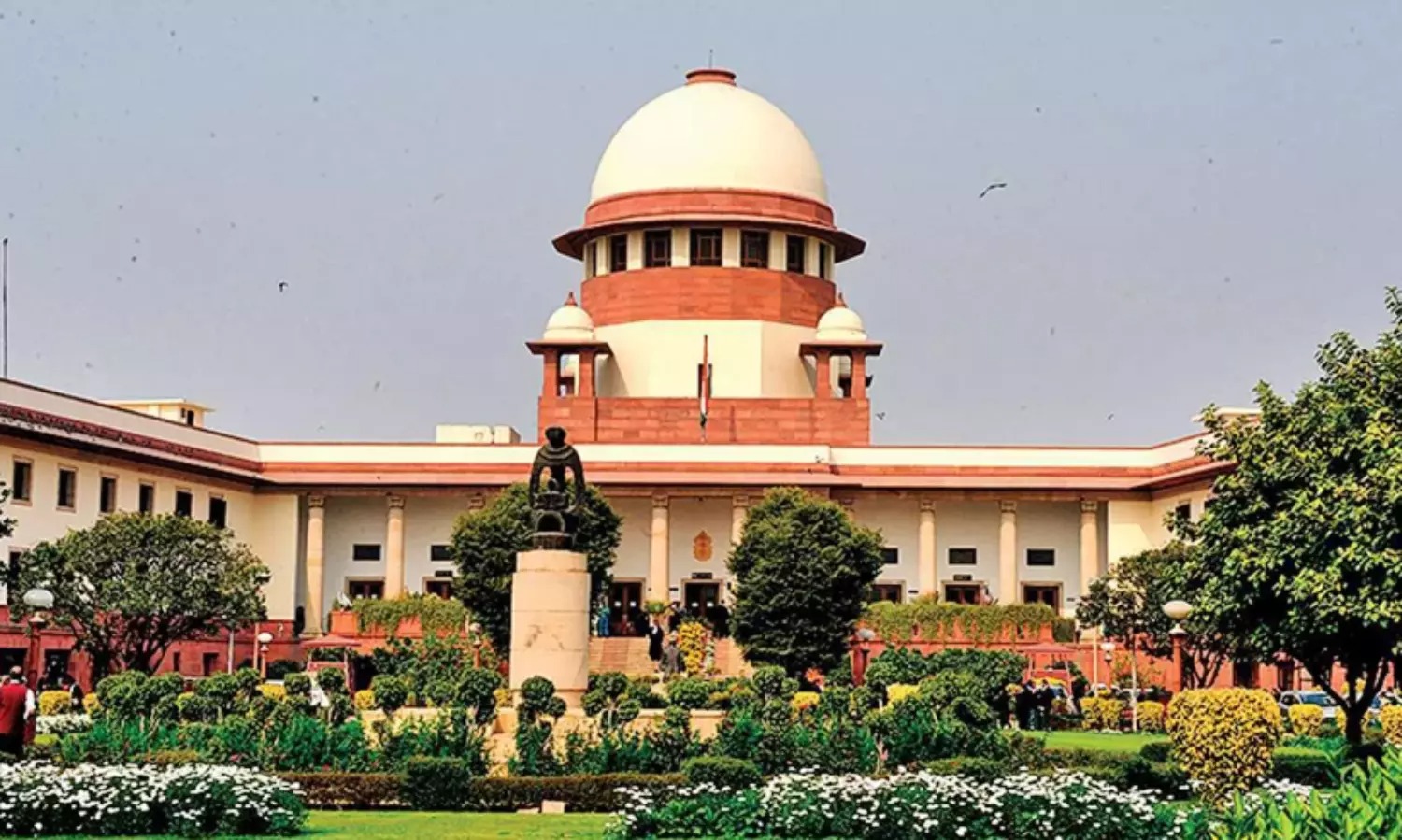
Supreme Court: Use of Word ‘Bastard’ Not Obscenity Under Section 294 IPC
Mere Abuse Without Sexual Element Not Punishable
Court Sets Boundaries for Obscenity in Law
By Legal Reporter
New Delhi: April 07, 2026:
In a significant ruling delivered in April 2026, the Supreme Court clarified the scope of Section 294 IPC, which criminalizes obscene acts and words in public places. The Court held that abusive language, such as calling someone a “bastard” during a heated argument, does not constitute obscenity unless it carries a sexual or prurient element. This judgment provides clarity on the distinction between abuse and obscenity, ensuring that criminal law is not misapplied to everyday quarrels.
Relevant judgments are listed in these key rulings on testamentary disputes. Supreme Court judgments on testamentary and will disputes in India , including the notable case of Ram Piari vs Bhagwant and Others, which discusses key principles of will validity, succession, and inheritance disputes under Indian law.
Case Background
The case arose from a family property dispute where two accused were convicted under Section 294(b) IPC for allegedly using the word “bastard” during a heated altercation. The conviction was challenged before the Supreme Court in Sivakumar v. State rep by Inspector of Police.
A bench comprising Justice PS Narasimha and Justice Manoj Misra set aside the conviction, ruling that the word lacked the sexual or prurient element necessary to attract Section 294 IPC.
Court’s Observations
- Abusive words ≠ Obscenity: The Court emphasized that obscenity requires a sexual or prurient element. Mere vulgarity or insult does not qualify.
- Common usage: The word “bastard” is commonly used in heated exchanges and does not arouse prurient interest.
- Legal threshold: Section 294 IPC is intended to prevent acts that corrupt public morals, not to punish every abusive word.
- Judicial restraint: Courts must distinguish between offensive speech and legally obscene speech to avoid over-criminalization.
Legal Principles Discussed
- Section 294 IPC: Punishes obscene acts and songs in public places that cause annoyance.
- Test of obscenity: Derived from precedents like Aveek Sarkar v. State of West Bengal (2014), obscenity must appeal to prurient interests or deprave public morals.
- Freedom of speech: The ruling indirectly reinforces Article 19(1)(a) rights, ensuring that casual abuse is not criminalized as obscenity.
Implications of the Ruling
- Clarity for criminal law: Everyday abusive language will not be prosecuted as obscenity.
- Protection of free speech: Prevents misuse of Section 294 IPC against individuals in heated arguments.
- Judicial consistency: Aligns obscenity law with established tests requiring sexual or prurient content.
- Limits on police action: Law enforcement must apply Section 294 IPC only in cases involving genuine obscenity.
FAQs
Q1: What does Section 294 IPC cover?
It criminalizes obscene acts, songs, or words in public places that cause annoyance to others.
Q2: Is calling someone a “bastard” punishable under Section 294 IPC?
No. The Supreme Court held that the word lacks sexual or prurient content and does not qualify as obscenity.
Q3: What is the test for obscenity in law?
Obscenity must appeal to prurient interests, arouse sexual thoughts, or corrupt public morals.
Q4: Can abusive language ever be punishable?
Yes, under other provisions like defamation (Section 499 IPC) or criminal intimidation (Section 506 IPC), but not under Section 294 unless obscene.
Q5: Does this ruling affect freedom of speech?
Yes. It reinforces that casual abuse or vulgarity cannot be criminalized as obscenity, protecting free expression.
Q6: What was the case that led to this ruling?
Sivakumar v. State rep by Inspector of Police, involving a family property dispute where the accused used the word “bastard.”
BOOK RESOURCES:
📘 Legal professionals and students alike will benefit from Will Writing Simplified, which covers procedure and case law in detail. This book is a practical guide to drafting wills, codicils, and succession documents, making it an essential resource for law students and practitioners.
🔹 Buy online: Amazon | Flipkart
Conclusion
The Supreme Court’s ruling marks a crucial clarification in obscenity law. By distinguishing between abuse and obscenity, the Court ensures that Section 294 IPC is applied only to acts that genuinely corrupt public morals. This judgment protects individuals from unnecessary criminalization while reinforcing the principle that law must target obscenity, not mere offensive speech.