
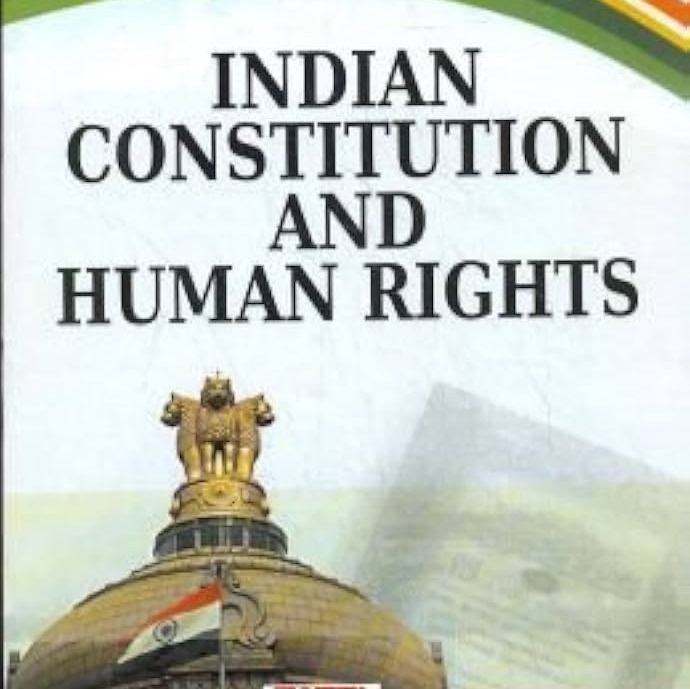
Human Rights in International Law & India’s Global Role
India’s constitutional vision meets global commitments
From UN conventions to domestic jurisprudence
By Vishwas Kumar
New Delhi: June 10, 2026:
Human rights are the moral and legal foundation of modern democracies, ensuring dignity, equality, and justice for all individuals. India’s Constitution enshrines these values in its Fundamental Rights (Part III) and Directive Principles of State Policy (Part IV), creating a framework that protects individual freedoms while guiding the state toward social and economic justice. Yet, India’s role extends far beyond its domestic framework. As a founding member of the United Nations and a signatory to key international conventions, India has actively shaped and been shaped by global human rights discourse.
The right to life and personal liberty is one of the most important fundamental rights guaranteed under the Indian Constitution. To understand its scope, judicial interpretation, and landmark rulings that have expanded the meaning of human dignity, privacy, livelihood, and personal freedom, read our comprehensive guide on Article 21 of the Constitution of India .
India’s participation in the drafting of the Universal Declaration of Human Rights (1948) was a landmark moment, reflecting its commitment to universal values at the dawn of independence. Since then, India has ratified major international covenants such as the International Covenant on Civil and Political Rights (ICCPR) and the International Covenant on Economic, Social and Cultural Rights (ICESCR). These commitments have influenced domestic policies and judicial interpretations, ensuring that global standards resonate within India’s constitutional framework.
The interplay between international law and India’s constitutional safeguards reveals a dynamic relationship. On one hand, global commitments influence domestic jurisprudence, inspiring courts to expand the scope of rights. On the other, India’s constitutional vision — with its emphasis on balancing liberty and social justice — contributes to international debates, offering a model for post-colonial democracies. This two-way exchange underscores India’s dual role as both a recipient and a contributor in the global human rights movement.
Judicial precedents illustrate this synergy vividly. In Vishaka v. State of Rajasthan (1997), the Supreme Court relied on the Convention on the Elimination of All Forms of Discrimination Against Women (CEDAW) to frame guidelines against workplace sexual harassment, filling a legislative vacuum. Similarly, in People’s Union for Civil Liberties v. Union of India (2001), the Court enforced the right to food, aligning with ICESCR commitments. More recently, in Navtej Singh Johar v. Union of India (2018), the Court decriminalized homosexuality, affirming dignity and equality in line with evolving global norms. These cases demonstrate how international law has become a persuasive source for judicial creativity in India.
Civil society activism has also played a crucial role in bridging global commitments with local realities. NGOs and advocacy groups often invoke international conventions to strengthen campaigns for gender justice, child rights, and environmental protection. This activism ensures that India’s obligations under treaties are not confined to diplomatic rhetoric but translate into tangible social change.
Legislative reforms further reflect India’s responsiveness to global human rights standards. The enactment of the Right to Education Act (2009), the Protection of Women from Domestic Violence Act (2005), and the Rights of Persons with Disabilities Act (2016) were influenced by international conventions and India’s reporting obligations to UN treaty bodies. These laws demonstrate how global commitments can catalyze domestic progress.
At the same time, India’s engagement with international law raises important debates about sovereignty and accountability. While treaties are not automatically enforceable in India, courts often interpret constitutional provisions in light of global norms. This approach allows India to maintain sovereignty while embracing universal values. Critics argue that selective ratification and uneven enforcement weaken India’s credibility, but supporters contend that India’s pragmatic approach reflects the realities of a diverse and developing democracy.
Ultimately, India’s role in international human rights law is both aspirational and practical. It aspires to uphold universal dignity and justice, while pragmatically balancing domestic priorities with global obligations. Judicial precedents, legislative reforms, and civil society activism together ensure that India remains a significant voice in the global human rights movement.
As the world confronts new challenges — digital privacy, climate justice, refugee protection, and gender equality — India’s constitutional vision and international commitments will continue to interact. This dynamic relationship not only strengthens India’s democracy but also enriches global human rights discourse. The journey underscores a vital truth: human rights are not static promises but evolving principles, shaped by both domestic safeguards and international solidarity.
Constitutional Foundations
Fundamental Rights (Articles 12–35): Guarantee equality, liberty, and protection against exploitation.
Directive Principles (Articles 36–51): Guide the state toward social and economic justice.
Article 51(c): Directs the state to foster respect for international law and treaty obligations.
These provisions establish a constitutional bridge between domestic rights and international commitments.
India’s Role in UN Conventions
Universal Declaration of Human Rights (1948): India was among the original signatories, aligning its constitutional vision with global principles.
International Covenant on Civil and Political Rights (ICCPR, 1966): India ratified, reinforcing rights to life, liberty, and equality.
International Covenant on Economic, Social and Cultural Rights (ICESCR, 1966): India committed to socio-economic rights, reflected in its welfare policies.
Convention on the Elimination of All Forms of Discrimination Against Women (CEDAW, 1979): India ratified, influencing gender justice jurisprudence.
Convention on the Rights of the Child (CRC, 1989): India pledged to protect child rights, shaping education and labour laws.
Judicial Precedents: Bridging International Law and Constitutional Safeguards
India’s judiciary has played a transformative role in harmonizing international human rights commitments with domestic constitutional safeguards. While treaties and conventions are not automatically enforceable in India unless incorporated into legislation, courts have consistently treated them as persuasive sources. This approach has allowed international law to shape domestic jurisprudence, ensuring that India’s constitutional vision resonates with global human rights standards.
Vishaka v. State of Rajasthan (1997)
This landmark case arose from the brutal gang rape of a social worker in Rajasthan. In the absence of specific legislation addressing workplace sexual harassment, the Supreme Court relied on CEDAW (Convention on the Elimination of All Forms of Discrimination Against Women) to frame binding guidelines. These “Vishaka Guidelines” became the foundation for the Sexual Harassment of Women at Workplace Act (2013). The judgment demonstrated how international conventions could fill legislative gaps, empowering women and advancing gender justice.
People’s Union for Civil Liberties v. Union of India (Right to Food Case, 2001)
Invoking commitments under the ICESCR (International Covenant on Economic, Social and Cultural Rights), the Court recognized the right to food as part of Article 21. It directed the government to implement food security schemes, ensuring that socio-economic rights were not mere aspirations but enforceable entitlements. This case highlighted how international obligations can strengthen welfare delivery and protect vulnerable communities.
Navtej Singh Johar v. Union of India (2018)
In this historic judgment, the Supreme Court decriminalized homosexuality by striking down Section 377 of the Indian Penal Code. The Court emphasized dignity, equality, and privacy, aligning its reasoning with evolving global human rights norms. References to international jurisprudence and conventions underscored India’s commitment to universal values, making the ruling a milestone in LGBTQ+ rights.
K.S. Puttaswamy v. Union of India (2017)
The Court recognized privacy as a fundamental right under Article 21, drawing inspiration from the ICCPR (International Covenant on Civil and Political Rights). This judgment expanded the scope of liberty in the digital age, ensuring that India’s constitutional safeguards kept pace with global debates on surveillance, data protection, and individual autonomy.
Olga Tellis v. Bombay Municipal Corporation (1985)
Though predating many treaty ratifications, this case recognized the right to livelihood as part of Article 21. Later jurisprudence linked such socio-economic rights to India’s obligations under ICESCR, reinforcing the idea that international law can strengthen domestic interpretations of dignity and justice.
Other Notable Cases
Chameli Singh v. State of Uttar Pradesh (1996): Recognized the right to shelter, aligning with global housing rights.
National Legal Services Authority v. Union of India (2014): Affirmed transgender rights, drawing on international principles of equality and dignity.
MC Mehta v. Union of India (1987 onwards): Environmental jurisprudence linked to sustainable development goals, reflecting India’s global commitments.
Analysis
These precedents reveal several themes:
Judicial Creativity: Courts have used international conventions to fill legislative gaps, as seen in Vishaka.
Socio-Economic Rights: ICESCR commitments have influenced rulings on food, health, and shelter, expanding Article 21.
Evolving Norms: Cases like Navtej Johar and Puttaswamy show how global debates on dignity and privacy shape domestic jurisprudence.
Gender and Minority Rights: International law has empowered courts to protect vulnerable groups, reinforcing equality.
Environmental Justice: Global sustainable development principles have informed India’s environmental rulings.
Conclusion
Judicial precedents demonstrate how India bridges constitutional safeguards with international law. By treating treaties as persuasive sources, courts have expanded rights, empowered marginalized communities, and aligned domestic jurisprudence with global norms. From Vishaka to Navtej Johar, the judiciary has ensured that India’s constitutional vision remains dynamic, responsive, and globally relevant.
This synergy underscores India’s dual role: a democracy committed to protecting rights at home and a responsible actor shaping human rights discourse abroad. The lesson is clear — international law enriches domestic jurisprudence, while India’s constitutional values contribute to global debates. Together, they strengthen the promise of dignity, equality, and justice for all.
Comparative Perspectives
South Africa: Directly incorporates international law into its Constitution, making socio-economic rights enforceable.
United Kingdom: Human Rights Act 1998 integrates European Convention rights into domestic law.
India: Treaties are not automatically enforceable but influence judicial interpretation, creating a persuasive framework.
Sociological, Economic, and Ethical Impacts
Sociological: International conventions empower marginalized groups, influencing domestic activism and policy.
Economic: Commitments under ICESCR shape welfare schemes, labor protections, and sustainable development policies.
Ethical: India’s engagement reflects its moral responsibility as a democracy to uphold universal values of dignity and justice.
Case Studies & Narratives
Workplace Gender Justice: Vishaka guidelines empowered women long before Parliament enacted the Sexual Harassment Act (2013).
Right to Food Campaign: Judicial enforcement of food security transformed welfare delivery, impacting millions of poor households.
Child Rights: India’s ratification of CRC influenced laws against child labor and strengthened education rights.
Extended FAQ (40 Questions with 2–3 Line Answers)
What is India’s role in UDHR? Founding signatory, aligning Constitution with global principles.
What is ICCPR? Covenant protecting civil and political rights, ratified by India.
What is ICESCR? Covenant on socio-economic rights, shaping welfare policies.
What is CEDAW? Convention against discrimination of women, ratified by India.
What is CRC? Convention protecting child rights, influencing Indian laws.
What is Article 51(c)? Directs India to respect international law.
Can treaties be enforced directly in India? No, but they influence judicial interpretation.
What was Vishaka case? Court relied on CEDAW to frame workplace harassment guidelines.
What was PUCL case? Enforced right to food, aligning with ICESCR.
What was Navtej Johar case? Decriminalized homosexuality, affirming dignity.
What was Puttaswamy case? Recognized privacy as a fundamental right.
How does South Africa treat treaties? Direct incorporation into Constitution.
How does UK treat treaties? Human Rights Act integrates European Convention rights.
How does India treat treaties? Persuasive, not automatically enforceable.
What is India’s ethical role? Upholding universal dignity and justice.
How do treaties affect gender justice? Empower women through legal reforms.
How do treaties affect child rights? Strengthen education and labour protections.
How do treaties affect socio-economic rights? Shape welfare schemes and policies.
What is India’s role in UNHRC? Active participant in global human rights debates.
What is India’s role in SDGs? Aligns development with human rights commitments.
What is India’s role in climate justice? Advocates sustainable development as a human right.
What is India’s role in refugee law? Not a signatory to 1951 Convention but provides humanitarian protection.
What is India’s role in labour rights? Ratified ILO conventions, shaping labour laws.
What is India’s role in disability rights? Ratified UNCRPD, influencing domestic legislation.
What is India’s role in indigenous rights? Protects tribal rights through constitutional safeguards.
What is India’s role in minority rights? Upholds equality, influenced by ICCPR.
What is India’s role in freedom of speech? Protected under Article 19, aligned with ICCPR.
What is India’s role in right to health? Judicially enforced, aligned with ICESCR.
What is India’s role in right to shelter? Recognized under Article 21, influenced by global norms.
What is India’s role in right to environment? Judicially enforced, aligned with sustainable development goals.
What is India’s role in right to education? Elevated to Fundamental Right, aligned with CRC.
What is India’s role in gender equality? Strengthened by CEDAW commitments.
What is India’s role in privacy? Recognized under Article 21, aligned with ICCPR.
What is India’s role in digital rights? Emerging area, influenced by global debates.
What is India’s role in humanitarian law? Upholds Geneva Conventions in armed conflict.
What is India’s role in anti-torture law? Signed UNCAT but not ratified.
What is India’s role in trafficking law? Ratified conventions, shaping anti-trafficking laws.
What is India’s role in freedom of religion? Protected under Article 25, aligned with ICCPR.
What is India’s role in equality before law? Article 14, aligned with UDHR principles.
What is India’s future role? Balancing sovereignty with global human rights leadership.
Op-Ed Style Closing Vision
India’s engagement with international human rights law reflects both its constitutional vision and its global responsibilities. By ratifying key conventions and aligning domestic jurisprudence with global norms, India has demonstrated commitment to dignity, equality, and justice. Yet, challenges remain: gaps in enforcement, legislative delays, and balancing sovereignty with international obligations.
The judiciary has often bridged these gaps, relying on international conventions to expand rights. Vishaka showed how global commitments can empower domestic jurisprudence, while PUCL demonstrated how socio-economic rights can be judicially enforced. These cases highlight India’s unique model: treaties are not automatically binding, but they influence judicial creativity and legislative reform.
Looking ahead, India must strengthen its role as a global human rights leader. This requires ratifying pending conventions, improving enforcement mechanisms, and ensuring that international commitments translate into lived realities for citizens. As the world grapples with challenges like digital privacy, climate justice, and refugee protection, India’s voice will be crucial in shaping inclusive and equitable solutions.
The vision for the future is clear: India must continue to bridge constitutional safeguards with international law, ensuring that democracy