
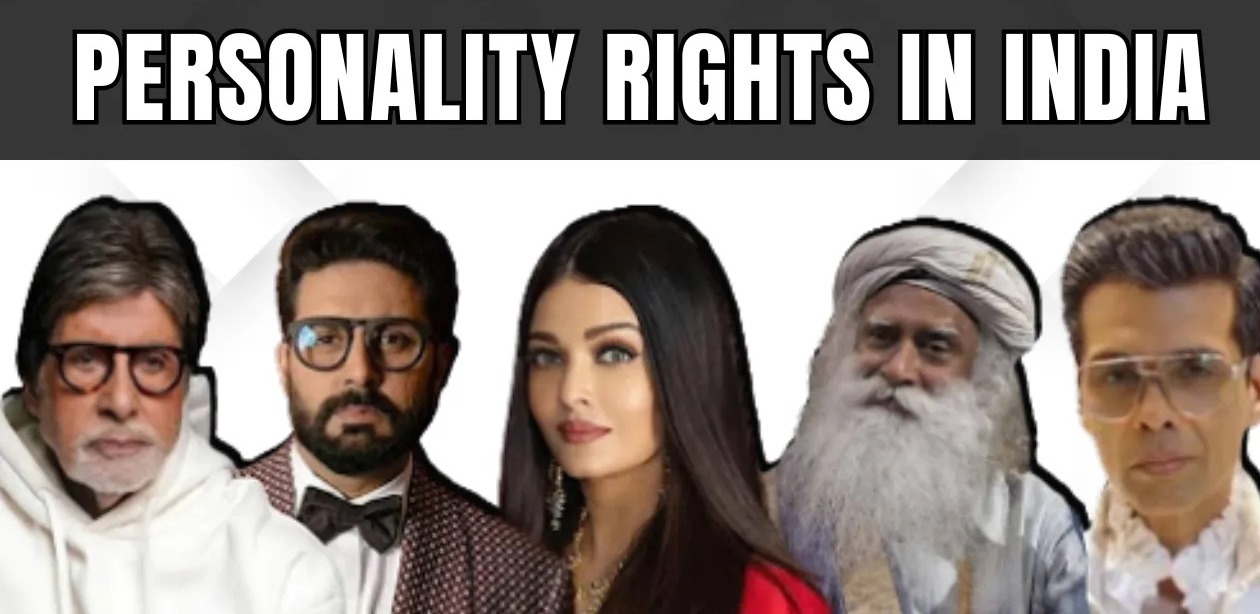
Indian Celebrities Secure Personality Rights Against Deepfakes
Courts extend protection to actors and politicians
Global frameworks show stronger codified safeguards
By Vishwas Kumar
New Delhi: May 25, 2026:
Several Indian celebrities and public figures have successfully obtained judicial protection of their personality rights against deepfakes, reflecting a growing trend in India’s courts. Globally, similar protections exist under the US “Right of Publicity” and EU privacy laws, showing convergence toward safeguarding identity in the digital age.
The ruling in Gurdial Singh (Dead) Through LR vs Jagir Kaur (Dead) & Another is an important judgment for understanding succession disputes, rights of legal representatives, and adjudication of family property conflicts in India. The case discusses how courts evaluate documentary evidence, inheritance claims, and competing rights of parties in civil disputes involving ancestral and jointly owned properties.
Indian Celebrities Protected by Personality Rights
|
Celebrity |
Case/Year |
Court Order |
Relevance |
|
Shashi Tharoor (Congress MP) |
Delhi HC, 2026 |
Court restrained misuse of his face, voice, oratorical style, and vocabulary in deepfake videos falsely praising Pakistan. Platforms ordered to block content. The Hindu The Hindu Times of India |
First major political personality rights case in India, highlighting risks of AI misuse in diplomacy. |
|
Amitabh Bachchan |
Delhi HC, 2024 |
Injunction against unauthorized use of his likeness in ads and deepfake content. |
Established celebrity personality rights as enforceable in India. |
|
Hrithik Roshan, Katrina Kaif, Anil Kapoor |
Delhi HC, 2025 |
Courts recognized misuse of AI-generated videos as passing off and defamation. |
Expanded scope of personality rights beyond privacy to commercial misappropriation. |
|
Arjun Kapoor & Allu Arjun |
Delhi HC, 2025 |
Interim orders protecting their image and likeness from unauthorized AI use. |
Reinforced that actors’ identities are protected assets. |
|
Aishwarya Rai Bachchan, Abhishek Bachchan, Salman Khan |
Delhi HC, 2025 |
Petitions filed to restrain misuse of likeness in manipulated visuals. |
Shows growing celebrity concern over AI cloning. |
|
Sri Sri Ravi Shankar (Spiritual Leader) |
Delhi HC, 2025 |
Protection against misuse of image and voice in fake videos. |
Extends personality rights beyond film industry to spiritual leaders. |
Global Trends
- United States:
- Strong “Right of Publicity” laws in states like California protect against unauthorized commercial use of likeness.
- Celebrities like Tom Cruise and Taylor Swift have publicly raised concerns about deepfake misuse.
- European Union:
- GDPR and EU AI Act mandate transparency in synthetic media.
- Courts recognize misuse of likeness as a privacy violation, enforceable across member states.
- China:
- Introduced deep synthesis regulations (2023) requiring labelling of AI-generated content.
- Celebrities like Jackie Chan have been vocal about misuse of their image.
FAQ for Quick Understanding
Q1. What are personality rights in India?
Judicially recognized rights allowing individuals to control use of their image, voice, and likeness.
Q2. Why are celebrities filing cases?
Deepfakes harm reputation, cause defamation, and misappropriate commercial value of their identity.
Q3. Are ordinary citizens protected?
Yes, but enforcement is harder. Courts have mostly acted in celebrity cases; broader application may come with the Digital India Bill.
Q4. How does India compare globally?
India relies on judicial activism, while the US and EU have codified laws. India is moving toward codification via the Digital India Act.
Q5. What is the significance of Shashi Tharoor’s case?
It is the first major political precedent in India, showing courts’ willingness to protect public figures against AI-driven misinformation.
Action Plan: Indian professionals should track these precedents, study global publicity and privacy laws, and prepare for the Digital India Bill. This specialization offers strong career opportunities in litigation, compliance, and advisory roles in AI regulation.