
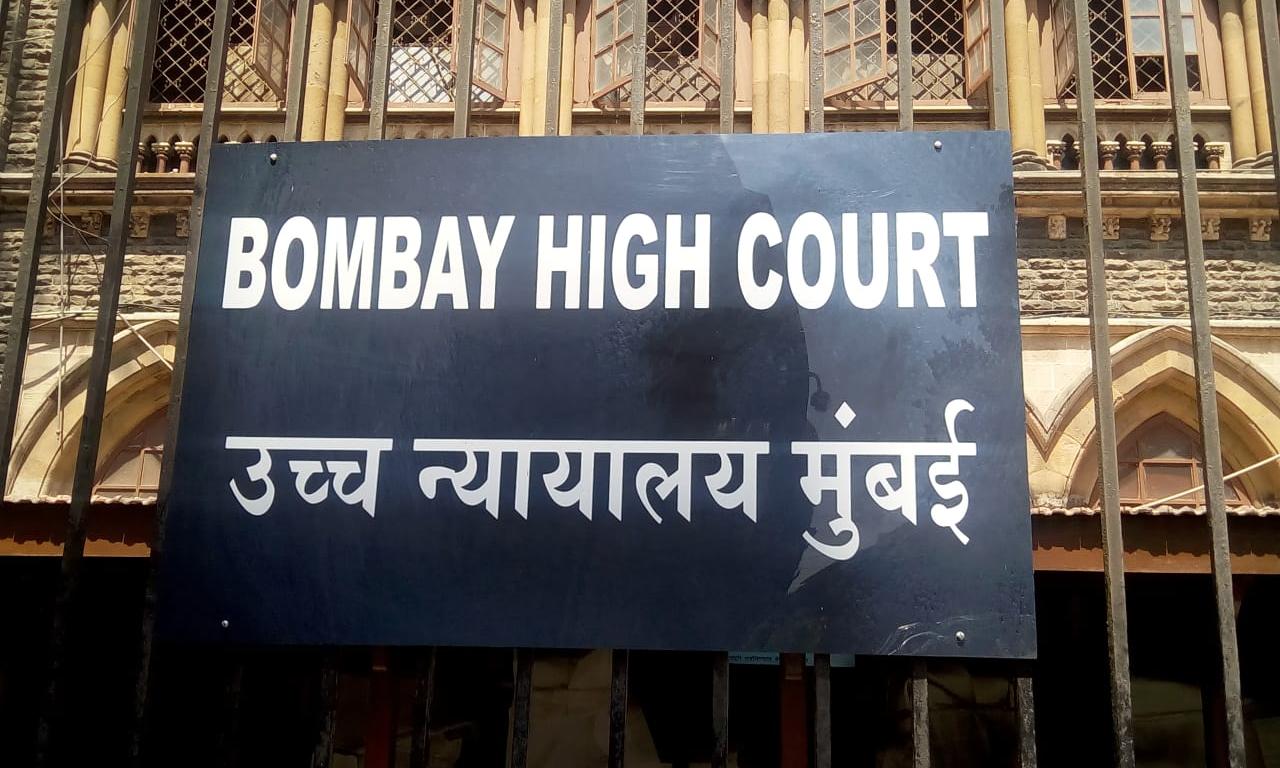
GST Liability Cannot Be Inherited: Bombay High Court Protects Son’s Bank Account
Same trade name does not create tax liability
Authorities cannot freeze accounts without statutory backing
By Our Legal Correspondent
New Delhi: April 17, 2026:
The Bombay High Court recently delivered a significant judgment in GST authorities vs. the son of a deceased taxpayer, clarifying that tax liabilities are not automatically transferable to heirs merely because they continue business under the same trade name.
The petitioner, son of the deceased assessee, challenged the freezing of his bank account by GST authorities. The account was frozen solely on the ground that he was operating under the same trade name as his father, who had outstanding tax dues. The Court held that such action was illegal and without statutory authority.
[Access will law database here. Click the link here: https://www.courtkutchehry.com/pages/blog/123-supreme-court-judgments-on-wills/]
Key Legal Principles Discussed
- Central Goods and Services Tax Act, 2017 (CGST Act):
- Section 85: Liability of partners, directors, or members in case of firm/company dissolution.
- Section 93: Liability of legal representatives in case of death of a taxpayer.
- The Court emphasised that liability under Section 93 is limited to the extent of the estate inherited, not personal assets of heirs.
- Doctrine of Separate Legal Personality:
- A business entity and its proprietor are distinct.
- Continuation of trade name does not mean continuation of liabilities unless statutory provisions explicitly impose them.
- Principle of Natural Justice:
- Freezing of bank accounts without notice or hearing violates due process.
- The Court reiterated that coercive measures must follow statutory procedure.
Court’s Analysis
- No statutory backing: The GST authorities relied only on the fact that the son used the same trade name. The Court held this was insufficient.
- Inheritance principle: Tax liability of a deceased person can only be enforced against the estate inherited, not against independent property or accounts of heirs.
- Business continuity vs. liability: Merely continuing business under the same name does not make the son liable for the father’s dues.
- Protection of fundamental rights: Freezing of accounts without authority infringes Article 300A (right to property) and Article 14 (equality before law).
The Bench categorically stated:
“The liability of a deceased assessee cannot be fastened upon his son merely because he continues business under the same trade name. The statutory framework does not permit such coercive action.”
Impact of the Judgment
- Clarifies scope of Section 93 of CGST Act: Liability is limited to inherited estate, not personal assets.
- Protects heirs from arbitrary action: Sons or daughters cannot be penalised for parents’ tax dues unless they inherit assets.
- Limits coercive powers of GST authorities: Freezing of accounts must be backed by statutory provisions and due process.
- Strengthens taxpayer rights: Reinforces principles of natural justice and constitutional protection of property.
[RESEARCH RESOURCES]
BUY & READ BOOK, WILL WRITING SIMPLIFIED, By Dr Ravinder Kumar Anand. [📘 Buy Will Writing Simplified online: Amazon | Flipkart ]
FAQ: Quick Legal Understanding
Q1: Can GST authorities recover tax dues from heirs?
Yes, but only to the extent of the estate inherited from the deceased taxpayer, as per Section 93 of the CGST Act.
Q2: Does using the same trade name make heirs liable?
No. Continuation of trade name does not automatically transfer liabilities. Liability must be backed by statutory provisions.
Q3: What did the Bombay High Court decide?
The Court held that freezing the son’s bank account was illegal, as there was no statutory authority to impose liability merely due to the same trade name.
Q4: What is Section 93 of the CGST Act?
It deals with liability of legal representatives of a deceased taxpayer, limited to the estate inherited.
Q5: Can authorities freeze bank accounts without notice?
No. Such action violates principles of natural justice and constitutional rights.
Q6: What constitutional rights were invoked?
- Article 300A: Right to property.
- Article 14: Equality before law.
Q7: What is the broader significance of this ruling?
It prevents misuse of coercive powers by tax authorities and ensures heirs are not unfairly burdened with liabilities beyond inherited assets.
Conclusion
This judgment is a landmark in GST jurisprudence, reinforcing that tax liabilities are personal and limited to the estate of the deceased. By striking down the freezing of the son’s bank account, the Bombay High Court has safeguarded taxpayer rights and clarified the scope of Section 93 of the CGST Act. The ruling ensures that heirs are protected from arbitrary enforcement and that authorities must act strictly within statutory boundaries.