
Bombay HC Protects Workers’ Pension Rights
Employer lapses no longer a barrier to higher pension claims
EPFO directed to verify independently and act within 12 weeks
By Legal Reporter
New Delhi: April 28, 2026:
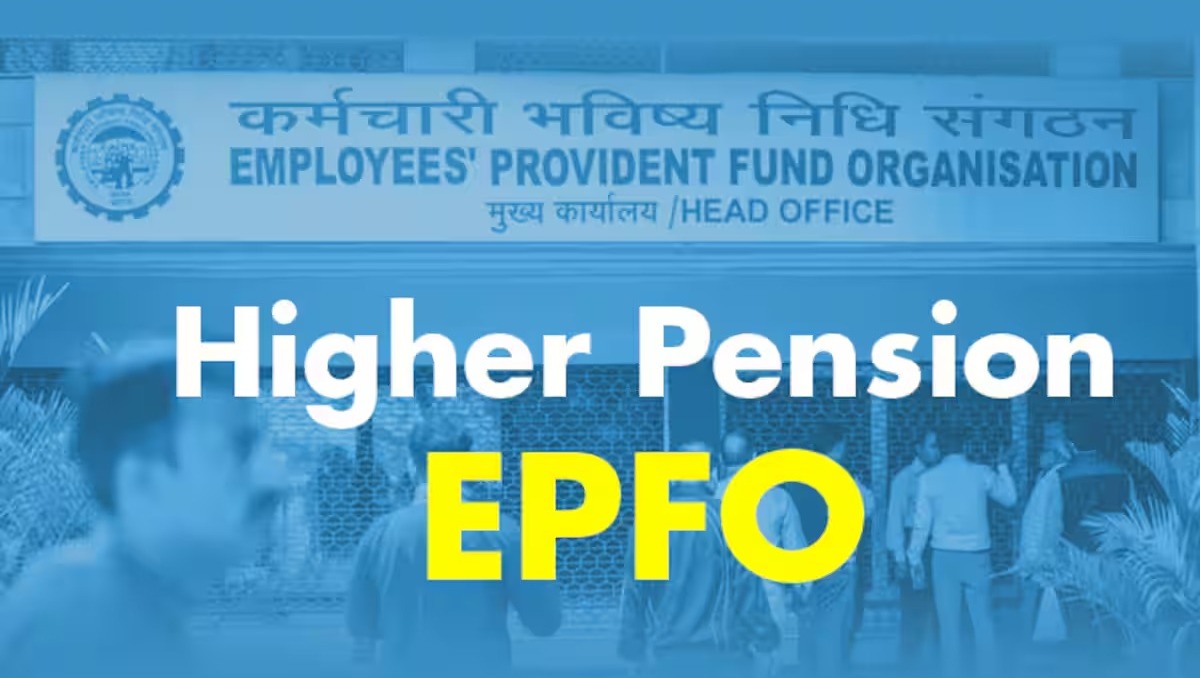
The Bombay High Court has ruled that the Employees’ Provident Fund Organisation (EPFO) cannot reject higher pension claims merely because employers fail to submit certain records. This judgment strengthens employee rights under the Employees’ Pension Scheme (EPS), shifting the burden onto EPFO to independently verify contributions using available evidence.
To understand how courts resolve long-standing property disputes involving succession claims, title verification, and rights of legal representatives, read the judgment in Dhani Ram vs Shiv Singh, which explains key principles on evidentiary burden, inheritance rights, and adjudication of civil property conflicts under Indian law.
Context and Background
The Employees’ Pension Scheme (EPS), governed under the Employees’ Provident Funds and Miscellaneous Provisions Act, 1952, provides retirement benefits to millions of Indian workers. A recurring dispute has been whether employees contributing on wages above the statutory ceiling are entitled to higher pensions, especially when employers fail to furnish certain statutory records like Form 6A or challans.
On April 24, 2026, the Bombay High Court delivered a landmark ruling, holding that EPFO cannot reject claims solely due to employer lapses. The Court emphasized that EPS is a beneficial social welfare legislation, designed to secure retirement benefits rather than deny them through procedural rigidity.
Key Legal Principles and Rules Discussed
- Employees’ Provident Funds Act, 1952 & EPS Rules
- The EPS allows employees to opt for higher pensions if contributions are made on actual wages above the statutory ceiling.
- Employees must exercise a joint option with employers and provide supporting documentation.
- Forms and Documentation
- Form 3A: Annual contribution statement.
- EPF passbooks/account statements: Evidence of contributions.
- Form 6A: Employer’s annual return of contributions (often missing).
- The Court held that absence of Form 6A cannot be fatal if other credible evidence exists.
- Judicial Interpretation of Welfare Legislation
- Courts reiterated that welfare laws must be interpreted liberally to protect substantive rights.
- Procedural lapses by employers cannot override employees’ entitlement to pension.
- EPFO’s Duty of Independent Verification
- EPFO must now actively verify claims using internal databases, contribution histories, and corroborative evidence.
- Rejection should be the last resort, not the default response.
Court’s Findings
- Rigid checklist approach rejected: The Court criticized EPFO’s reliance on a single missing document to deny pensions.
- Broader evidentiary framework accepted: Employees can now rely on salary slips, appointment letters, bank statements, and UAN-linked records.
- Employer accountability reinforced: Employers’ lapses cannot penalize employees.
- Reasoned orders required: EPFO must issue detailed, reasoned decisions after verification.
Implications
- For Employees: Greater security in pension claims, especially for those with incomplete records due to employer negligence.
- For Employers: Increased pressure to maintain accurate statutory records and digitize systems.
- For EPFO: Expanded responsibility to act as an active verifier rather than a passive recipient of employer submissions.
- For Social Security Law: Sets precedent that substantive rights outweigh procedural technicalities, potentially influencing disputes in gratuity, ESI, and family pension cases.
Challenges Ahead
- Administrative burden on EPFO: Independent verification requires robust systems and manpower.
- Older cases with missing records: Probability-based assessments may lead to disputes.
- Employer compliance: Stronger audits and digitization will be necessary to avoid future litigation.
FAQ on EPFO Higher Pension Ruling
Q1. What was the dispute about?
Employees sought higher pensions under EPS after contributing on actual wages above the statutory ceiling. EPFO rejected claims citing missing employer records like Form 6A.
Q2. What did the Bombay High Court decide?
The Court ruled that EPFO cannot reject claims solely due to employer lapses. It must verify contributions using all available evidence.
Q3. Which documents can employees now rely on?
- Form 3A
- EPF passbooks/account statements
- Salary slips and appointment letters
- Bank statements showing salary credits
- Employer communications and UAN-linked records
Q4. What is EPFO’s new responsibility?
EPFO must independently verify claims, seek missing records from employers, and issue reasoned orders. Rejection should be the last resort.
Q5. How does this ruling affect employers?
Employers must strengthen record-keeping and compliance systems. Their lapses can no longer be used to deny employee benefits.
Q6. What is the timeline for EPFO action?
The Court directed EPFO to reassess claims within 12 weeks and grant pension benefits if eligibility is established.
Q7. Does this ruling apply beyond pensions?
Yes. The reasoning may influence other welfare disputes like provident fund settlements, gratuity, and ESI benefits, reinforcing that procedural lapses cannot defeat substantive rights.
In conclusion, the Bombay High Court’s ruling rebalances the pension framework by protecting employees from employer defaults and embedding a proactive duty on EPFO. It marks a significant step towards employee-centric interpretation of welfare laws in India.