
Equal Access to Legal Careers: Delhi High Court Challenges BCI's Open University Exclusion Policy
Broadening Legal Horizons: How Open Education Empowers Disadvantaged Candidates to Enter the Legal Profession
The Judicial Observation and Statutory Scope of the Bar Council of India's Legal Education Regulations
By Legal Editor
New Delhi: July 24, 2026:
The intersection of legal education, professional accreditation, and administrative governance in India has reached a pivotal juncture. In a decision (Akhilesh v. Union of India & Ors.), the High Court of Delhi examined the exclusionary nature of the Bar Council of India Rules. The Court observed that provisions excluding graduates of open universities and distant learning systems from taking admission to law programs—or subsequently enrolling as practicing advocates—lack valid justification and "do not stand to reason".
┌───────────────────────────────────────────┐
│ Academic Qualification Path │
└─────────────────────┬─────────────────────┘
│
▼
┌───────────────────────────────────────────┐
│ Indira Gandhi National Open University │
│ - Bachelor's Preparatory Program (BPP) │
│ - Bachelor of Social Work (BSW) │
└─────────────────────┬─────────────────────┘
│
▼
┌───────────────────────────────────────────┐
│ Professional Law Education & Licensing │
│ - LL.B. Degree Completion │
│ - All India Bar Examination (AIBE) │
└─────────────────────┬─────────────────────┘
│
▼
┌───────────────────────────────────────────┐
│ State Bar Council Enrolment Application │
│ - Bar Council of Delhi Refusal │
│ - Ground: Explanation to Rule 5 │
└─────────────────────┬─────────────────────┘
│
▼
┌───────────────────────────────────────────┐
│ High Court Constitutional Challenge │
│ - Article 14 & Article 19(1)(g) Writs │
│ - BCI Mandated Counter-Affidavit │
└───────────────────────────────────────────┘
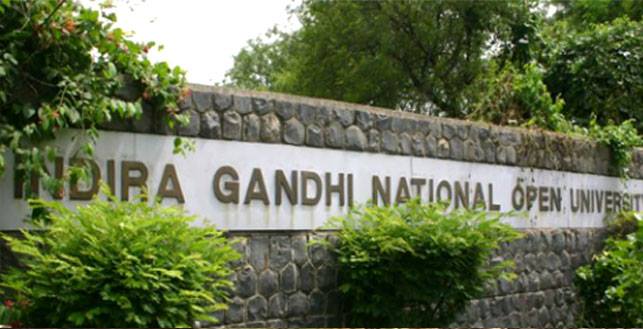
The case arose when an individual who pursued higher education through non-traditional academic channels was denied enrolment by the Bar Council of Delhi. The petitioner commenced his higher education by completing a Bachelor’s Preparatory Program (BPP) through the Indira Gandhi National Open University. He proceeded to earn a formal Bachelor of Social Work degree, completed a three-year Bachelor of Laws (LL.B.) program, and cleared the All-India Bar Examination administered by the Bar Council of India.
Upon applying for enrolment on the rolls of the Bar Council of Delhi, the candidate’s application was rejected. The refusal was predicated on the Bar Council of India Rules, specifically the Explanation attached to Rule 5, Chapter II, Part IV of the Rules of Legal Education. The State Bar Council asserted that because the candidate had not passed a formal secondary school examination prior to undergoing open university studies, he failed to satisfy the eligibility criteria prescribed for legal practice.
Deconstructing the Legal Framework: Rule 5 Explanation and Statutory Conflicts
The legal controversy focuses on the Bar Council of India Rules of Legal Education, framed pursuant to powers granted under the Advocates Act, 1961. Specifically, the Explanation under Chapter II, Part IV of the Rules sets out the restriction:
Explanation to Rule 5:
"The applicants who have obtained 10 + 2 or graduation / post-graduation through open Universities system directly without having any basic qualification for prosecuting such studies are not eligible for admission in the law courses."
The core issue involves balancing the Bar Council of India's statutory duty to maintain standards of legal education under Sections 7(1)(h) and 49(1) (af) of the Advocates Act with equal opportunity rights under the Constitution of India. Open universities, established by acts of Parliament and state legislatures, were created to offer flexible education pathways for individuals facing economic, social, or geographic barriers.
When statutory rules treat degrees from recognized open universities as inherently inferior, they risk violating Article 14 (Right to Equality) and Article 19(1)(g) (Right to Practice Any Profession) of the Constitution. A Division Bench comprising Chief Justice Devendra Kumar Upadhyaya and Justice Tejas Karia noted that when open university graduates complete their coursework, barring them from vocational careers undermines the purpose of continuing education programs.
──────────────────────────────────────┐
│ COMPARATIVE ANALYSIS OF STATUTORY PROVISIONS │
├────────────────────────────┬─────────────────────────────────────────────────────┤
│ Legal Provision │ Regulatory Intent and Scope │
├────────────────────────────┼─────────────────────────────────────────────────────┤
│ Advocates Act, 1961 │ Primary statute governing legal practitioners; │
│ Section 7(1)(h) & 49 │ grants powers to regulate standards of legal │
│ │ education and set entry requirements. │
──────────────────────────────────────┤
│ BCI Rules: Part IV, │ Disqualifies candidates who obtain basic or higher │
│ Chapter II, Rule 5 Expl. │ qualifications directly via open university systems │
│ │ without traditional 10+2 credentials. │
├────────────────────────────┼─────────────────────────────────────────────────────┤
│ University Grants │ Authorizes distance and open university degrees, │
│ Commission Act, 1956 │ establishing academic equivalency with traditional │
│ │ brick-and-mortar university degrees. │
──────────────────────────────────────┤
│ Constitution of India │ Guarantees non-discrimination, equal protection │
│ Articles 14 & 19(1)(g) │ under the law, and the right to practice any trade, │
│ │ occupation, or profession. │
Judicial Precedents and Constitutional Principles
The legal challenge in Akhilesh v. Union of India builds on established constitutional jurisprudence concerning educational requirements and professional entry regulations. Indian courts have consistently evaluated regulatory norms against the standard of administrative reasonableness:
Equal Protection and Reasonable Classification: Under Article 14, any classification made by delegated legislation must be based on an intelligible differentia that bears a rational nexus to the intended objective. While maintaining legal standards is a valid regulatory goal, creating blanket exclusions for open university graduates who have successfully earned a university-level bachelor's degree and passed the All-India Bar Examination raises significant constitutional questions.
Harmonious Construction of University Standards: The University Grants Commission Act, 1956 grants the University Grants Commission regulatory oversight over university degree equivalency. When the Bar Council of India invalidates open university degrees recognized by the Commission, it creates institutional friction between national educational authorities.
Proportionality in Professional Restrictions: Under Article 19(6), restrictions on professional practice must be reasonable and narrowly tailored to achieve their objective. Categorically barring candidates who have demonstrated professional competence through standardized testing—such as the All-India Bar Examination—presents proportionality concerns that the Bar Council of India must address in its counter-affidavit.
Implications for Legal Education and Administrative Reform
This judicial intervention highlights the need to re-examine regulatory frameworks in legal education. Restricting non-traditional students from legal practice conflicts with national policies aimed at expanding access to higher education. Open universities offer vital educational access for working professionals, rural citizens, and socio-economically disadvantaged individuals.
By requiring the Bar Council of India to submit a detailed counter-affidavit justifying Rule 5, the High Court of Delhi has opened the door for potential regulatory reform. Re-evaluating these exclusions could help establish a more inclusive legal system—one that measures professional eligibility by objective competence and academic achievement rather than strict adherence to traditional secondary education pathways.
Searchable Legal Index & Frequently Asked Questions
1. General Regulatory Framework
Q1: What is the main legal issue raised in the petition before the Delhi High Court?
The primary issue is the constitutional validity of the Explanation to Rule 5, Chapter II, Part IV of the Bar Council of India Rules. This rule disqualifies individuals who obtain educational qualifications through open universities without a traditional school education from taking law courses and enrolling as advocates.
Q2: Which statutory body regulates legal education and professional enrolment in India?
The Bar Council of India (BCI) is the statutory body established under the Advocates Act, 1961. It sets standards for legal education, recognizes university law degrees, and regulates entry into the legal profession. State Bar Councils (such as the Bar Council of Delhi) handle candidate enrolments within their respective jurisdictions.
2. Candidate Qualifications and Enrolment Rejection
Q3: Why was the candidate in Akhilesh v. Union of India denied enrolment as an advocate?
The Bar Council of Delhi rejected the candidate's enrolment application because he completed a Bachelor’s Preparatory Program (BPP) at IGNOU instead of a traditional school education before earning his undergraduate degree, LL.B., and passing the All-India Bar Examination.
Q4: What is the Bachelor’s Preparatory Program (BPP) offered by IGNOU?
The BPP was an open university bridge program designed by Indira Gandhi National Open University (IGNOU) to allow individuals without formal school completion credentials to enter higher education and pursue undergraduate degree courses.
3. Constitutional and Judicial Observations
Q5: What was the Delhi High Court's initial observation regarding the BCI Rule?
The Division Bench observed prima facie that prohibiting individuals who complete recognized qualifications through open university or distance learning systems from pursuing professional careers "does not stand to reason". The Court emphasized that open universities were established specifically to bring disadvantaged students into higher education.
Q6: Which constitutional rights are affected by BCI Rule 5?
The rule implicates:
Article 14: The right to equality before the law and equal protection of the laws.
Article 19(1)(g): The fundamental right to practice any profession or carry on any occupation, trade, or business.
4. Regulatory Reconciliation and Procedural Directives
Q7: What directive did the Delhi High Court issue to the Bar Council of India?
The Court directed the Bar Council of India to file a specific counter-affidavit addressing the constitutional validity of the challenged rule.
Q8: How does the University Grants Commission (UGC) factor into this legal dispute?
The UGC recognizes open university degrees under the University Grants Commission Act, 1956. This creates a statutory conflict when the Bar Council of India invalidates those same degrees for professional law enrollment purposes.
5. Impact and Future Outlook
Q9: Can an open university graduate currently enroll as an advocate in India?
Enrollment eligibility currently depends on strict adherence to the BCI Rules of Legal Education. If a candidate completed a standard secondary education before pursuing open university studies, their degree is typically recognized. However, candidates entering higher education directly through open university bridge programs like the BPP face enrollment restrictions pending judicial review.
Q10: What are the broader implications of this case for legal education reform in India?
A ruling invalidating Rule 5 could expand access to the legal profession for non-traditional students, better aligning BCI regulations with national policies that promote inclusive education.