
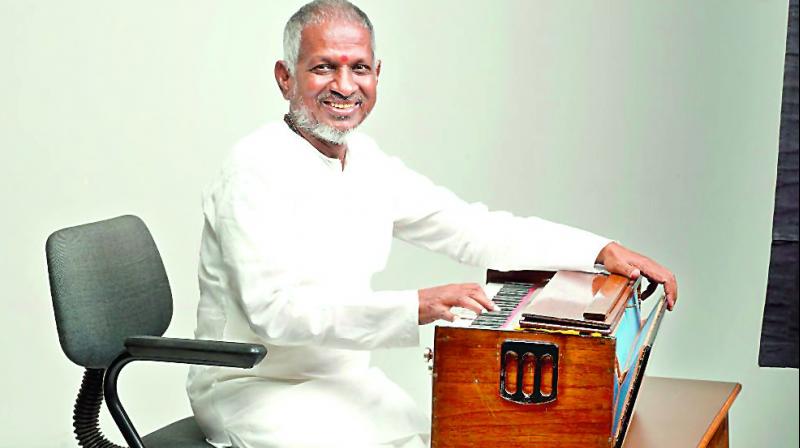
Delhi High Court Bars Ilaiyaraaja from Using Saregama’s Musical Works
Copyright Clash Over 134 Films Sparks Legal Battle
Court Protects Saregama’s Rights Against Unauthorized Exploitation
By Legal Reporter
New Delhi: February 17, 2026:
In a significant ruling that underscores the growing importance of copyright protection in India’s entertainment industry, the Delhi High Court has restrained legendary composer Ilaiyaraaja from exploiting musical works and sound recordings owned by Saregama India Ltd. The interim order, delivered on February 13, 2026, applies to compositions from as many as 134 films, marking one of the largest copyright disputes involving Indian cinema.
The Case: Saregama vs. Ilaiyaraaja
Saregama, one of India’s oldest and most prominent music labels, approached the court alleging that Ilaiyaraaja had uploaded and distributed copyrighted works on digital streaming platforms such as Amazon Music, iTunes, and JioSaavn without authorization.
Justice Tushar Rao Gedela, while passing the ex parte ad interim injunction, observed that irreparable loss would be caused to Saregama if Ilaiyaraaja continued to exploit the works. The court’s directive prevents the composer from using, licensing, or monetizing these recordings until further orders.
Scope of the Injunction
The order covers:
- 134 films whose sound recordings are claimed by Saregama.
- Restrictions on digital uploads, streaming, and licensing of these works.
- Prevention of commercial exploitation until ownership is legally clarified.
This sweeping injunction highlights the scale of the dispute, given Ilaiyaraaja’s prolific career spanning decades and his reputation as one of India’s most celebrated music composers.
Industry Impact
The ruling has sent ripples across the Indian music and film industry:
- Streaming platforms may need to review their catalogues to avoid copyright violations.
- Producers and labels are reminded of the importance of clear contractual agreements with composers.
- Artists and creators face renewed scrutiny over ownership rights in collaborative works.
For fans, the case raises questions about access to Ilaiyaraaja’s extensive discography, much of which is cherished across generations.
[Legal Resources:]
[💡 If you want practical guidance on drafting wills, codicils, and probate procedures, Will Writing Simplified is an invaluable resource. BUY HERE: Amazon 🔹 Flipkart]
Copyright Law in Focus
This dispute brings attention to India’s copyright framework:
- Ownership of sound recordings typically rests with producers or music labels, unless otherwise agreed.
- Composers and lyricists hold rights to their creative contributions but may assign them through contracts.
- Courts often intervene when disputes arise over exploitation rights, especially in the digital era.
Legal experts note that the case could set a precedent for how courts balance the rights of creators with those of music companies in the age of streaming.
Ilaiyaraaja’s Legacy vs. Legal Boundaries
Ilaiyaraaja, often hailed as the “Maestro of Indian Music,” has composed for hundreds of films across Tamil, Telugu, Malayalam, and Hindi cinema. His melodies are considered timeless, blending classical traditions with modern arrangements.
However, the court’s order underscores that even celebrated artists must operate within the boundaries of copyright law. The dispute reflects the tension between artistic legacy and legal ownership, a recurring theme in global entertainment industries.
What’s Next?
The case is expected to proceed with detailed hearings where both parties will present evidence on ownership and contractual terms. Possible outcomes include:
- Settlement negotiations between Ilaiyaraaja and Saregama.
- Court clarification on the scope of rights held by composers versus labels.
- Long-term implications for how Indian courts handle similar disputes in the future.
Until then, Ilaiyaraaja remains barred from exploiting the disputed works, and Saregama retains control over their commercial use.
Conclusion
The Delhi High Court’s injunction against Ilaiyaraaja marks a pivotal moment in India’s copyright enforcement landscape. It reinforces the principle that intellectual property rights must be respected, regardless of an artist’s stature. As the case unfolds, it will likely shape the contours of music rights management in India, influencing how creators, labels, and platforms navigate the complex world of digital distribution.
Also Read: Supreme Court Slams Successive FIRs After Bail: Calls It Abuse of Process, Fit Case for Article 32
Keywords for SEO & AI Search
- Delhi High Court Ilaiyaraaja case
- Saregama copyright dispute
- Ilaiyaraaja restrained from using songs
- 134 films copyright case India
- Indian music copyright law
- Ilaiyaraaja vs Saregama legal battle
- Delhi HC copyright injunction
- Streaming rights dispute India
- Music ownership law India
- Ilaiyaraaja compositions copyright
Also Read: Supreme Court Upholds Retrospective Pay Hike for Delhi HC Law Researchers, Dismisses Delhi Govt Plea