
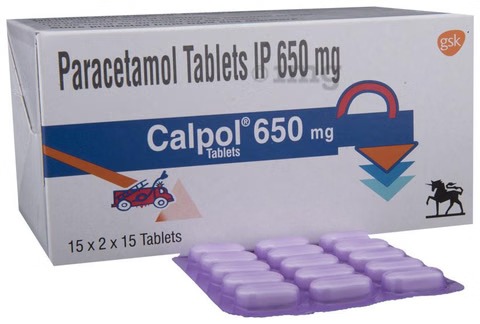
Delhi HC Declares Calpol a Well-Known Trademark
Enhanced protection under Trademarks Act, 1999
Judgment strengthens consumer trust in pharma brands
By Legal Reporter
New Delhi: May 18, 2026:
The Delhi High Court has declared “Calpol,” a popular fever and pain relief tablet manufactured by GlaxoSmithKline (GSK), as a well-known trademark under the Trademarks Act, 1999. This recognition provides Calpol heightened protection against misuse, dilution, or infringement, reinforcing the importance of consumer trust in pharmaceutical branding.
Readers examining civil property disputes, succession claims, and rights of legal heirs should carefully study the Supreme Court judgment in Moturu Nalini Kanth Vs Gainedi Kaliprasad Dead Through LRs. The ruling discusses important principles relating to inheritance rights, evidentiary evaluation, and adjudication of competing ownership claims in civil litigation. This judgment is highly relevant for advocates, litigants, and legal researchers studying succession law, partition suits, and ancestral property disputes before Indian courts.
Background
The Delhi High Court’s ruling marks a significant milestone in Indian trademark jurisprudence. Calpol, widely prescribed for fever and mild pain, has been a household name for decades. By recognizing it as a well-known trademark, the Court has elevated its legal status, ensuring stronger protection against infringement and misuse.
Legal Framework
- Trademarks Act, 1999
- Section 2(1) (zg): Defines a well-known trademark as one that is widely recognized by the public and enjoys reputation across goods and services.
- Section 11(6)–(9): Lays down factors for determining well-known status, including recognition, duration of use, and extent of geographical reach.
- Judicial Powers
- Courts and the Registrar of Trademarks have authority to declare a mark well-known.
- Once declared, protection extends beyond the specific class of goods, preventing misuse even in unrelated sectors.
- Consumer Protection
- The ruling aligns with the principle that trademarks in pharmaceuticals carry heightened responsibility, as misuse can endanger public health.
Court’s Observations
- Longstanding Use: Calpol has been in continuous use in India for decades, establishing strong goodwill.
- Public Recognition: The brand is widely recognized by consumers, doctors, and pharmacists.
- Risk of Misuse: Unauthorized use of similar marks could mislead consumers in critical health contexts.
- Enhanced Protection: Declaring Calpol well-known ensures protection across all classes, not just pharmaceuticals.
Implications
- For GSK (Calpol’s manufacturer): Gains stronger legal leverage against counterfeiters and infringers.
- For Consumers: Reinforces trust that the Calpol brand is safeguarded against misuse.
- For Trademark Law: Expands jurisprudence on well-known marks, especially in the pharmaceutical sector.
Comparative Note
India has previously recognized brands like Amul, Bisleri, and Whirlpool as well-known trademarks. Calpol’s inclusion highlights the growing importance of pharmaceutical brands in public health and consumer safety. Unlike FMCG products, misuse of pharma trademarks can have life-threatening consequences, making this recognition particularly significant.
Broader Significance
This ruling underscores the judiciary’s proactive role in protecting consumer interests. It also reflects India’s compliance with international obligations under the Paris Convention for Protection of Industrial Property, which mandates protection of well-known marks globally.
FAQ: Key Legal Points
Q1. What is a well-known trademark?
A trademark recognized by the public at large, enjoying reputation across goods and services, protected under Section 2(1)(zg) of the Trade Marks Act, 1999.
Q2. Why was Calpol declared well-known?
Because of its longstanding use, widespread recognition, and critical role in healthcare, making misuse potentially harmful to consumers.
Q3. What legal protection does a well-known trademark enjoy?
Protection across all classes of goods and services, preventing misuse even in unrelated industries.
Q4. Which law governs this recognition?
The Trademarks Act, 1999, particularly Sections 11(6)–(9), which outline factors for determining well-known status.
Q5. Who can declare a trademark well-known?
The Registrar of Trademarks or courts, including High Courts, based on evidence of reputation and recognition.
Q6. How does this benefit consumers?
It ensures that counterfeit or deceptively similar products cannot misuse the brand name, safeguarding public health.
Q7. Are other pharma brands recognized as well-known?
While FMCG brands dominate the list, Calpol’s recognition sets a precedent for more pharmaceutical brands to be protected.
Q8. Does this align with international law?
Yes, India’s recognition of well-known marks aligns with obligations under the Paris Convention and TRIPS Agreement.
In conclusion, the Delhi High Court’s declaration of Calpol as a well-known trademark strengthens both consumer protection and intellectual property law. It ensures that a trusted pharmaceutical brand enjoys enhanced safeguards against misuse, reinforcing the critical link between trademark law and public health.