
Bollywood vs. Piracy: India’s Entertainment Industry Battles for Intellectual Property Rights
From Sholay to Streaming: Landmark Cases That Shaped Copyright Law
Global Lessons for India’s Creative Economy
By Vishwas Kumar
New Delhi: June 09, 2026:
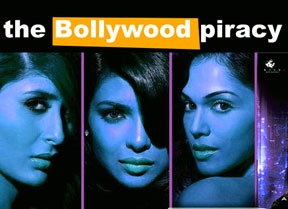
India’s entertainment industry is a cultural juggernaut, producing thousands of films, television shows, music albums, and digital works every year. From Bollywood blockbusters to regional cinema, from streaming platforms to independent music, the sheer scale of creative output is staggering. Yet, behind the glamour and global reach lies a persistent challenge: protecting intellectual property rights (IPR). Piracy, unauthorized remakes, misuse of celebrity images, and digital exploitation have made copyright law and related IP protections central to the industry’s survival. The stakes are not merely legal—they are economic, sociological, and ethical, shaping the very future of India’s creative economy.
The roots of India’s copyright regime lie in the Copyright Act of 1957, a statute that has been amended several times to keep pace with technological change. The 2012 amendment was particularly significant, introducing stronger protections for authors and performers, clarifying licensing rules, and aligning India with international treaties such as the Berne Convention and the TRIPS Agreement. Yet, the pace of digital disruption has far outstripped legislative reform. Streaming platforms, torrent sites, and social media have created new avenues for infringement, while globalization has ensured that disputes rarely remain confined within national borders. A Bollywood film pirated in Mumbai may be streamed illegally in London within hours; a music album released in Chennai may be copied and distributed in Southeast Asia without authorization. This interconnectedness has forced Indian IP firms to think beyond domestic litigation, embracing international collaboration and technological innovation.
Constitutional principles add layers of complexity. Article 19(1)(a) of the Indian Constitution guarantees freedom of speech and expression, while Article 21 protects privacy and Article 300A safeguards property rights. Copyright law must balance these rights: ensuring that creators are rewarded for their work without unduly restricting public access to knowledge and culture. Judicial precedents have played a crucial role in shaping this balance. In Eastern Book Company v. D.B. Modak (2008), the Supreme Court clarified the standard of originality, rejecting mere “sweat of the brow” and requiring a modicum of creativity. In YRF v. Sri Sai Ganesh Productions (2011), the Delhi High Court upheld Yash Raj Films’ copyright in Band Baaja Baarat against an unauthorized Telugu remake, underscoring the importance of protecting cinematic works. In Titan Industries v. Ramkumar Jewellers (2011), the misuse of Amitabh and Jaya Bachchan’s images in advertising led to recognition of celebrity publicity rights, a growing area of concern in the entertainment industry.
Comparisons with other jurisdictions reveal both gaps and opportunities. The United States, under its Copyright Act of 1976 and the Digital Millennium Copyright Act (DMCA), offers broad “fair use” exceptions and strong safe‑harbour protections for intermediaries. This has fostered innovation but sometimes left creators under‑compensated. The European Union, by contrast, has adopted a more creator‑centric approach through its Directive on Copyright in the Digital Single Market (2019), which imposes proactive monitoring obligations on platforms and strengthens licensing requirements. India’s narrower “fair dealing” exceptions and ambiguous intermediary liability provisions place it somewhere in between, but the country is increasingly pressured to align with global standards.
The sociological impact of copyright enforcement in India cannot be overstated. Piracy undermines the livelihoods of artists and producers, yet excessive enforcement risks restricting access to education and knowledge, particularly in a country where affordability is a major concern. Economically, the stakes are enormous: Bollywood alone loses billions annually to piracy, while India’s IT sector faces significant risks from software infringement. OTT platforms, which have become central to India’s entertainment ecosystem, face licensing disputes that highlight tensions between traditional copyright models and digital streaming. Ethically, the debate is sharpened by new technologies. Who owns creativity when artificial intelligence composes music or generates art? Should blockchain be used to track ownership and licensing? These questions are not merely technical—they strike at the heart of how society values human creativity.
Indian IP firms are responding with a mix of litigation and innovation. They file injunctions to block piracy websites during major film releases, collaborate with international partners to pursue cross‑border enforcement, and increasingly deploy technology such as blockchain for proof of ownership and AI‑driven tools for piracy detection. They also engage in alternative dispute resolution (ADR) to resolve licensing conflicts more efficiently. In doing so, they are not only defending individual clients but also shaping the future of India’s creative economy. The use of John Doe orders—broad injunctions against unknown infringers—has become a hallmark of Indian copyright enforcement, particularly in film piracy cases. These orders allow producers to pre‑emptively block websites that might distribute pirated copies, reflecting judicial innovation in tackling digital infringement.
The crossroads metaphor is apt because India must now decide whether to strengthen its copyright regime in ways that empower creators, attract investment, and align with global norms—or risk falling behind in a world where intellectual property is the currency of innovation. The challenge is immense, but so is the opportunity. By balancing constitutional freedoms with property rights, by learning from the US and EU models, and by embracing technology, India can craft a copyright framework that is both protective and progressive. The story of Indian copyright law is no longer just about statutes and precedents; it is about culture, commerce, and conscience in the digital age.
India’s entertainment industry is not just a domestic phenomenon; it is a global brand. Bollywood films are watched in Africa, the Middle East, and Europe; Indian music is streamed worldwide; Indian celebrities endorse products across continents. Protecting intellectual property is therefore not only a national imperative but also a global necessity. The industry’s credibility, profitability, and cultural influence depend on its ability to safeguard creativity. Intellectual property rights are the invisible scaffolding that supports this vast edifice of entertainment. Without them, the structure risks collapse under the weight of piracy and exploitation.
As India positions itself as a global hub of creativity, the protection of intellectual property in entertainment will determine whether the industry thrives or stagnates. The next decade will be decisive. Legislative reform, judicial innovation, technological adoption, and international collaboration must converge to create a copyright regime that is fair, effective, and future‑ready. The entertainment industry, with its scale and diversity, has the opportunity to set global benchmarks. The challenge is immense, but so is the promise: to make India not just the world’s largest producer of films, but also the most respected guardian of creativity.
Legal Framework in India
- Copyright Act, 1957: Protects literary, musical, artistic, and cinematographic works. Section 14 defines exclusive rights.
- Trademark Act, 1999: Safeguards film titles, logos, and production house identities.
- Patents Act, 1970: Applied to technological innovations in film production and distribution.
- Design Act, 2002: Protects costumes, sets, and visual designs.
- Constitutional Provisions:
- Article 19(1)(a): Freedom of speech and expression.
- Article 21: Right to privacy, underpinning celebrity rights.
- Article 300A: Right to property, indirectly supporting IP rights.
Judicial Precedents
Judicial precedents have played a defining role in shaping the contours of intellectual property rights in India’s entertainment industry. Courts have repeatedly stepped in to interpret statutes, balance constitutional freedoms, and protect the interests of creators against piracy, unauthorized adaptations, and misuse of celebrity images. The following expanded overview highlights landmark cases that illustrate the evolution of copyright and related rights in India.
YRF v. Sri Sai Ganesh Productions (2011)
This case involved the unauthorized remake of Band Baaja Baarat in Telugu. The Delhi High Court ruled in favour of Yash Raj Films, holding that the remake infringed copyright by copying substantial portions of the original film. The judgment underscored the principle that cinematic works are protected as original expressions, and remakes without authorization constitute infringement.
Sholay Media v. Yogesh Patel (2001–2021)
The long‑running battle over the film title Sholay highlighted the intersection of copyright and trademark law. The Delhi High Court ultimately recognized the title as a trademark, protecting it from unauthorized use. This precedent reinforced the idea that iconic film titles can acquire distinctiveness and deserve trademark protection, safeguarding cultural heritage.
Titan Industries v. Ramkumar Jewellers (2011)
This case marked a turning point in recognizing celebrity publicity rights. The misuse of Amitabh and Jaya Bachchan’s images in advertising was held to be unlawful, affirming that celebrities have a right to control the commercial use of their persona. The ruling expanded the scope of IP law to include personality rights, crucial in an industry driven by star power.
John Doe Orders
Indian courts pioneered the use of John Doe orders, granting injunctions against unknown infringers to pre‑empt piracy. These orders have become a standard tool in protecting films during release, allowing producers to block websites and cable operators suspected of distributing pirated copies. The innovation reflects judicial responsiveness to the realities of digital infringement.
Super Cassettes Industries Ltd. v. MySpace Inc. (2011)
This case tested intermediary liability in the digital age. Super Cassettes alleged that MySpace facilitated copyright infringement by hosting user‑uploaded infringing content. The Delhi High Court initially held MySpace liable, though later appeals moderated the ruling. The case highlighted the tension between platform liability and user freedom, foreshadowing debates around OTT platforms.
Phonographic Performance Ltd. v. Hotel Gold Regency (2006)
Here, the Delhi High Court ruled that hotels playing recorded music without licenses infringed copyright. The judgment reinforced the importance of licensing and royalties, ensuring that performers and producers are compensated for public use of their works.
Indian Performing Right Society v. Aditya Pandey (2011)
This case clarified the scope of performers’ rights and royalties in music. The Delhi High Court held that radio broadcasters must obtain licenses from copyright societies, strengthening collective management of rights and ensuring fair remuneration for artists.
R.G. Anand v. Deluxe Films (1978)
A seminal Supreme Court case, it established the test for copyright infringement in dramatic works. The Court ruled that while ideas are not protected, the expression of those ideas is. This principle continues to guide disputes over adaptations and remakes in cinema and theatre.
Shree Venkatesh Films v. Vipul Amrutlal Shah (2010)
The Calcutta High Court restrained the release of a Bengali film that closely resembled Namastey London. The ruling reinforced the protection of storylines and character development as original expressions, discouraging unauthorized adaptations.
Conclusion
Together, these precedents illustrate the judiciary’s evolving role in protecting intellectual property in entertainment. From remakes and piracy to celebrity rights and platform liability, Indian courts have expanded the scope of protection while balancing public interest. These rulings not only safeguard creators but also strengthen the credibility of India’s entertainment industry in global markets. As digital disruption intensifies, judicial innovation will remain central to shaping the future of copyright enforcement in India.
Comparative Perspectives
- United States: Strong “fair use” doctrine, DMCA safe harbours for platforms.
- European Union: Directive on Copyright in the Digital Single Market (2019) imposes proactive monitoring obligations.
- India: Narrower “fair dealing” exceptions, evolving recognition of celebrity rights, and growing reliance on John Doe orders.
Sociological, Economic & Ethical Impacts
- Sociological: Piracy undermines creative labour but excessive enforcement risks limiting access to culture and education.
- Economic: Bollywood and OTT platforms lose billions annually to piracy; stronger IP enforcement boosts investor confidence.
- Ethical: Balancing creators’ rights with public interest, especially in education and fair access, remains contentious.
Case Studies
- Piracy of Bollywood Films: Courts routinely block torrent sites during major releases.
- OTT Platforms: Licensing disputes highlight tensions between traditional copyright models and digital streaming.
- Celebrity Endorsements: Misuse of images in advertising has led to landmark rulings protecting publicity rights.
Op‑Ed Closing Vision
India’s entertainment industry is not just a cultural powerhouse; it is an economic engine and a global soft‑power tool. Yet, its creative output is constantly under siege from piracy, unauthorized remakes, and misuse of celebrity images. The legal framework, while robust in parts, remains fragmented and reactive. The Copyright Act of 1957, though amended, struggles to keep pace with digital realities. Trademark and design protections are strong, but enforcement is uneven. Celebrity rights, though recognized judicially, lack statutory codification.
Comparisons with the US and EU show India’s unique position. The US prioritizes innovation and free expression through broad “fair use,” while the EU emphasizes creators’ remuneration. India must chart a middle path: protecting creators without stifling access. The sociological dimension is critical—education and cultural dissemination must remain affordable. Economically, stronger enforcement will attract investment in OTT platforms, gaming, and film production. Ethically, the rise of AI‑generated works raises profound questions: who owns creativity when machines compose music or design costumes?
The way forward lies in clarity, collaboration, and creativity. Clarity in law—defining intermediary liability, codifying celebrity rights, and addressing AI authorship. Collaboration with global partners—harmonizing standards with WIPO and TRIPS. Creativity in enforcement—using blockchain to track ownership, AI to detect piracy, and ADR to resolve disputes. India’s courts have shown innovation through John Doe orders; now the legislature must step up with statutory reforms.
The vision is of an entertainment industry where creators are empowered, consumers are respected, and India emerges as a global leader in intellectual property governance. Intellectual property is not just about law—it is about culture, commerce, and conscience. India’s entertainment industry, with its scale and diversity, has the opportunity to set global benchmarks. The challenge is immense, but so is the promise: to make India not just the world’s largest producer of films, but also the most respected guardian of creativity.