
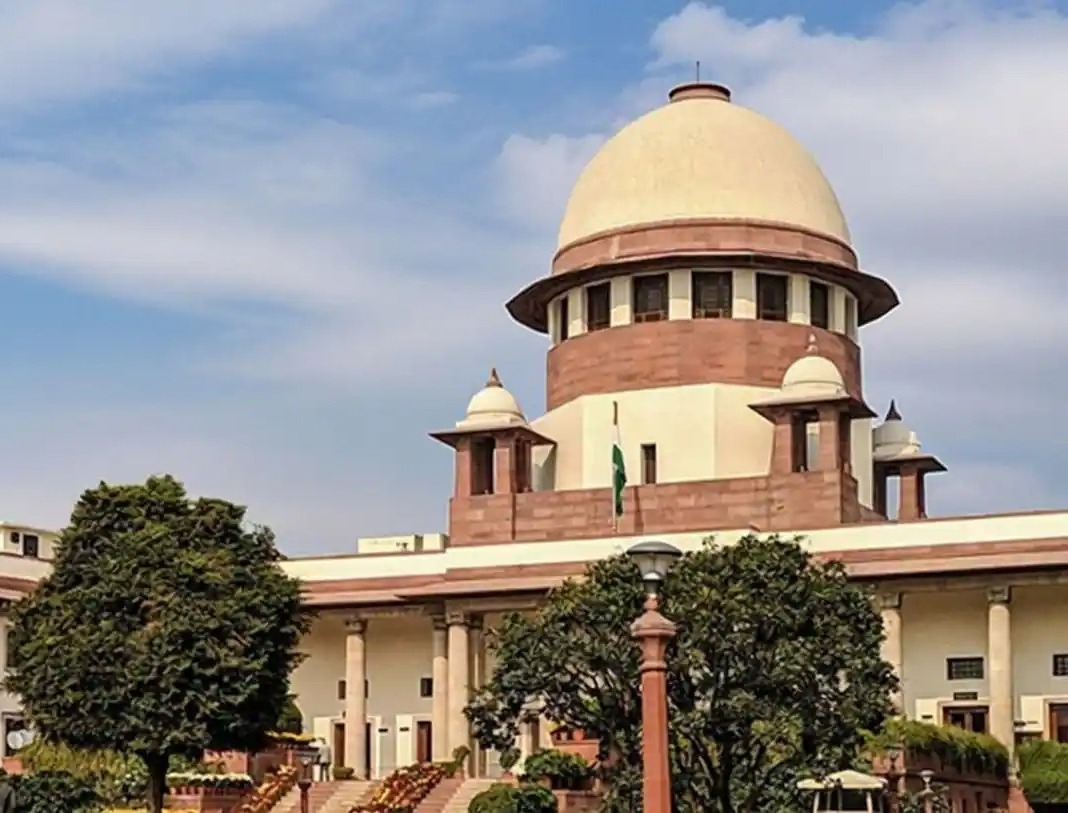
Legal Heirs Must Use Section 34, Not Article 227 in Arbitration Case
Supreme Court Reaffirms Arbitration’s Autonomy
Judicial Review Narrowed to Statutory Remedies
By Legal Reporter
New Delhi: April 27, 2026:
The Supreme Court of India has clarified that legal heirs aggrieved by an arbitral award must challenge it under Section 34 of the Arbitration and Conciliation Act, 1996, rather than invoking Article 227 of the Constitution or Section 115 of the Code of Civil Procedure (CPC). This ruling strengthens the autonomy of arbitration and limits judicial interference.
To understand how courts interpret wills and resolve inheritance disputes, read the detailed judgment analysis of Lilian Coelho & Ors vs Myra Philomena Coalho , highlighting key legal principles on testamentary intent, succession, and evidentiary standards in civil cases.
Background
Arbitration in India is governed by the Arbitration and Conciliation Act, 1996, which provides a structured mechanism for resolving disputes outside traditional courts. Section 34 of the Act is the primary provision allowing parties to challenge arbitral awards before a court. Recently, the Supreme Court addressed whether legal heirs of a deceased party could bypass this statutory route by invoking constitutional remedies under Article 227 or procedural remedies under Section 115 CPC.
The Supreme Court’s Ruling
The Court held that legal representatives must file objections under Section 34 of the Arbitration Act if they are dissatisfied with an arbitral award. Resorting to Article 227 (supervisory jurisdiction of High Courts) or Section 115 CPC (revisionary powers) is impermissible. This ruling underscores the principle that arbitration is a self-contained code, and challenges must follow the statutory framework provided.
Key Legal Provisions Discussed
| Provision | Scope | Court’s Clarification |
| Section 34, Arbitration Act, 1996 | Allows parties to apply for setting aside arbitral awards on limited grounds (e.g., fraud, violation of natural justice, conflict with public policy). | The exclusive remedy for legal heirs against arbitral awards. |
| Article 227, Constitution of India | Grants High Courts supervisory jurisdiction over lower courts and tribunals. | Cannot be used to bypass Section 34; supervisory powers are not substitutes for statutory remedies. |
| Section 115, CPC | Provides High Courts with revisionary powers over subordinate courts. | Not applicable to arbitral awards, as arbitration is governed by a special statute. |
Implications of the Judgment
- Strengthening Arbitration Autonomy: By restricting challenges to Section 34, the Court reinforces arbitration as a specialized dispute resolution mechanism.
- Limiting Judicial Interference: High Courts cannot entertain arbitral award challenges under their constitutional or revisionary powers.
- Clarity for Legal Heirs: Successors of parties to arbitration now have a clear procedural path—filing objections under Section 34.
- Efficiency in Dispute Resolution: Prevents misuse of constitutional remedies, ensuring arbitration remains faster and less litigious.
Analytical Perspective
This ruling aligns with India’s broader policy of promoting arbitration as a preferred dispute resolution mechanism. By narrowing the scope of judicial review, the Court ensures that arbitration awards are final and binding, subject only to limited statutory challenges. It also prevents forum shopping, where aggrieved parties attempt to invoke constitutional remedies to delay enforcement.
The decision also reflects the judiciary’s consistent stance that arbitration is a “self-contained code”—a principle reiterated in earlier cases such as SBP & Co. v. Patel Engineering Ltd. and Fuerst Day Lawson Ltd. v. Jindal Exports Ltd. The Court’s emphasis on Section 34 ensures uniformity and predictability in arbitration law, which is crucial for investor confidence and commercial certainty.
[RESEARCH RESOURCES]
BUY & READ THE BOOK, WILL WRITING SIMPLIFIED, By Dr Ravinder Kumar Anand. [📘 Buy Will Writing Simplified online: Amazon | Flipkart ]
FAQ: Quick Understanding of Key Legal Points
Q1: What is Section 34 of the Arbitration Act?
Section 34 allows parties to challenge arbitral awards in court on limited grounds such as fraud, violation of natural justice, or conflict with public policy.
Q2: Can legal heirs challenge an arbitral award?
Yes, but only through Section 34 of the Arbitration Act. They cannot use Article 227 or Section 115 CPC.
Q3: Why not Article 227 of the Constitution?
Article 227 gives High Courts supervisory powers, but it is not meant to replace statutory remedies. Arbitration challenges must follow the Arbitration Act.
Q4: What about Section 115 CPC?
Section 115 CPC deals with revisionary powers over subordinate courts. Arbitration is governed by a special statute, so CPC provisions do not apply.
Q5: What does this ruling mean for arbitration in India?
It strengthens arbitration’s autonomy, reduces judicial interference, and ensures disputes are resolved efficiently within the statutory framework.
Q6: Does this judgment affect ongoing arbitration cases?
Yes, it clarifies that any challenge to an arbitral award—whether by parties or their legal heirs—must be filed under Section 34 only.
Context for Citations
The article is based on the Supreme Court’s ruling reported by Law Trend (April 20, 2026), which highlighted that legal heirs must challenge arbitral awards under Section 34 of the Arbitration Act, not Article 227 of the Constitution or Section 115 CPC. This context ensures that references are tied to authoritative judicial pronouncements and statutory provisions.