
COURTKUTCHEHRY SPECIAL ON LAWS TO ACTION ON FAKE AI PICS & VIDEOS
AI Manipulation of Photos and Videos: How Fake Refund Claims Expose Legal Gaps in India
Misuse of AI Tools in Food Delivery and Online Platforms
Legal Remedies Available for Victims of AI-Driven Fraud
By Our Tech Reporter
New Delhi: January 09, 2026:
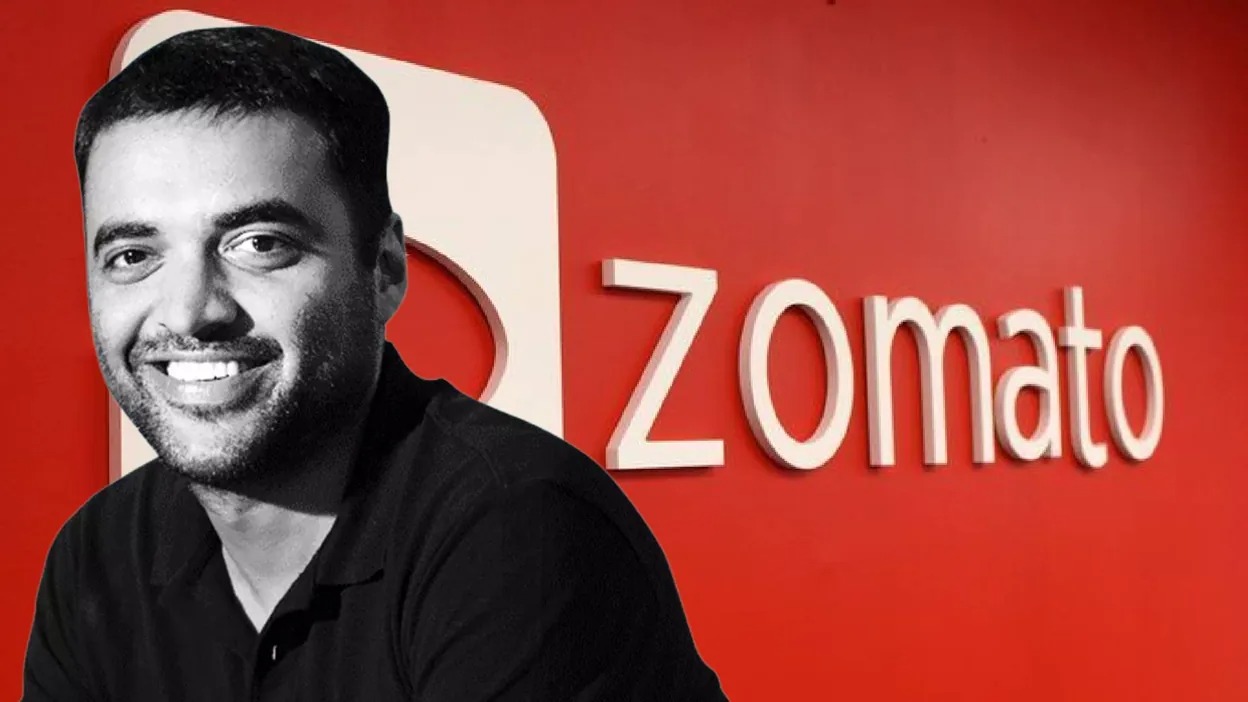
Artificial Intelligence (AI) has transformed industries worldwide, but its misuse is now raising serious concerns in India. Recently, Zomato CEO Deepinder Goyal revealed that some customers are using AI tools to manipulate food delivery photos—adding insects, flies, or even smashing cakes digitally—to falsely claim refunds.
This incident highlights a growing problem: AI-generated fake content is being used for fraud, misinformation, and harassment. As deepfake technology becomes more accessible, the question arises—what legal remedies exist in India, and what can victims do?
How AI Tools Manipulate Pictures and Videos
AI-powered applications like Generative Adversarial Networks (GANs) and advanced editing software can create hyper-realistic fake images and videos.
- Image Manipulation:
- Adding insects, flies, or hair strands to food photos.
- Altering product images to show damage or contamination.
- Editing receipts or invoices to inflate refund claims.
- Video Alteration (Deepfakes):
- Creating fake videos of individuals saying or doing things they never did.
- Altering surveillance footage to mislead investigations.
- Using AI filters to fabricate evidence in disputes.
These manipulations are often indistinguishable from real content, making detection difficult.
Legal Remedies Available in India
India has several laws that can address AI misuse:
- Information Technology Act, 2000 (IT Act):
- Section 66D: Punishes cheating by personation using computer resources.
- Section 66C: Addresses identity theft and misuse of digital signatures.
- Section 67: Penalizes publishing obscene or false material electronically.
- Indian Penal Code (IPC):
- Section 420: Cheating and dishonestly inducing delivery of property.
- Section 468: Forgery for the purpose of cheating.
- Section 500: Defamation, if manipulated content harms reputation.
- Consumer Protection Act, 2019:
- Protects businesses from fraudulent claims.
- Allows companies to challenge false refund requests.
- Emerging Frameworks:
- Legal scholars note that India is considering specific deepfake regulations to address AI-generated misinformation.
Also Read: Tripura High Court Rules ITC Cannot Be Denied to Bona Fide Purchasers Despite Supplier Default
What Victims Can Do
Victims of AI-driven fraud—whether individuals, businesses, or platforms—can take several steps:
- File a Complaint:
- Report to local police under IPC provisions.
- Approach cybercrime cells under IT Act.
- Consumer Court Action:
- Businesses can contest fraudulent refund claims.
- Victims can seek compensation for reputational damage.
- Digital Evidence Preservation:
- Save manipulated content and metadata.
- Use forensic tools to prove tampering.
- Civil Remedies:
- File defamation suits if reputation is harmed.
- Seek injunctions against further misuse.
- Awareness and Prevention:
- Platforms like Zomato are now deploying AI detection systems to identify manipulated images before approving refunds.
Risks and Challenges
Also Read: GST on Wages Paid to Outsourced Staff During COVID-19 Lockdown: Kerala AAR Ruling Explained
- Detection Difficulty: AI-generated content is often indistinguishable from real media.
- Legal Gaps: India lacks a dedicated deepfake law, relying on general cybercrime provisions.
- Privacy Concerns: Victims may suffer reputational harm before proving manipulation.
- Global Trend: Similar cases are reported worldwide, from fake product reviews to political misinformation.
Expert Opinions
- Legal Experts: Stress the need for specific legislation on deepfakes to protect citizens and businesses.
- Cybersecurity Analysts: Recommend stronger AI detection tools and digital watermarking.
- Consumer Rights Advocates: Warn that fraudulent claims undermine trust in online platforms.
Conclusion
The misuse of AI tools to manipulate photos and videos is a growing threat in India. From fake refund claims in food delivery apps to deepfake videos targeting individuals, the risks are real and rising.
While existing laws under the IT Act, IPC, and Consumer Protection Act provide remedies, India urgently needs dedicated deepfake regulations. Victims must act quickly reporting fraud, preserving evidence, and seeking legal recourse.
Also Read: Andhra Pradesh High Court: ITC Reversal Invalid After GST Registration Restoration
As AI becomes more powerful, balancing innovation with accountability will be key to ensuring that technology serves society rather than undermines it.
Suggested Keywords for SEO & Faster Searches
- AI manipulated photos refund fraud India
- Deepfake legal remedies India 2026
- Zomato refund fraud AI insects’ cakes
- Information Technology Act deepfake misuse
- Indian Penal Code cheating forgery AI
- Consumer Protection Act false refund claims
- AI video manipulation legal remedies India
- Cybercrime deepfake detection India
- Victim remedies AI fraud India
- Supreme Court deepfake regulation India
Also Read: ITAT Rules Offshore Supply of Equipment and Designs Not Taxable in India