
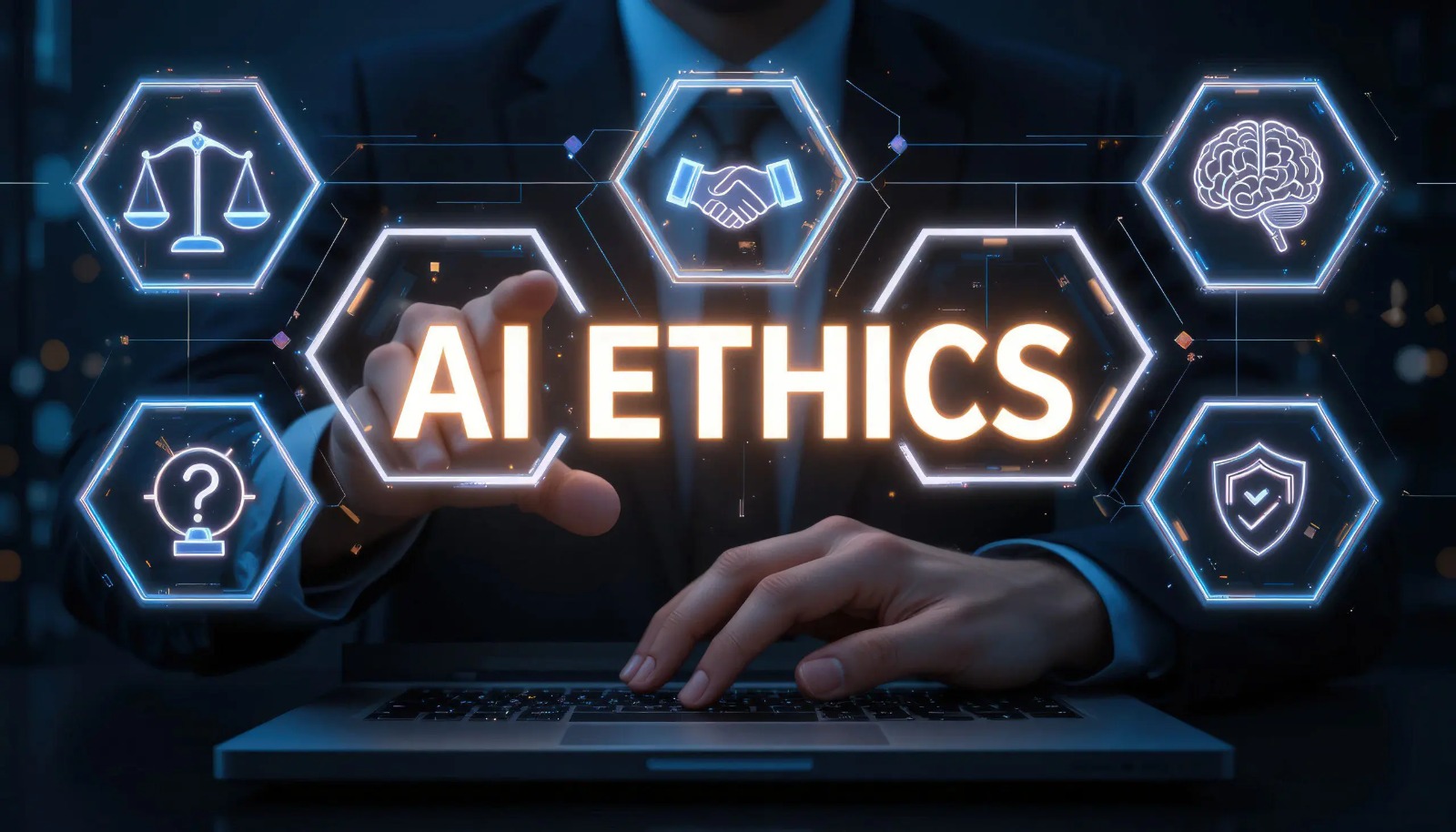
AI Ethics in Indian Law: Guardrails for Algorithmic Justice
Bias, transparency, and accountability are becoming essential skills for lawyers in India’s AI-driven legal landscape.
Ethical expertise will define the next generation of legal professionals.
By Vishwas Kumar
New Delhi: May 28, 2026:
Introduction: Why Ethics Matters in AI Law
Artificial intelligence is reshaping every sector, from finance to healthcare, and law is no exception. In India, where courts are experimenting with AI for judgment summaries and corporations are deploying AI for compliance, the ethical dimension of AI use is critical. Lawyers who understand bias, transparency, and accountability in AI systems will be at the forefront of this transformation.
For readers interested in energy regulation, commercial disputes, and public sector governance, M/s Gas Authority of India Limited is an important judgment to explore. The case examines significant legal issues concerning contractual obligations, regulatory compliance, and the interpretation of rights and liabilities arising from commercial arrangements in the energy sector. The Court's analysis provides valuable guidance on how statutory provisions, contractual terms, and principles of administrative law interact in resolving disputes involving major public enterprises. This judgment is frequently relevant for lawyers, businesses, and researchers studying infrastructure, energy law, and corporate litigation in India.
Section 1: The Rise of AI in Indian Legal Practice
- Courtroom Digitization: Supreme Court pilots AI for summarizing judgments.
- Corporate Law: Firms use AI for contract review and compliance.
- Public Sector: Government exploring AI for governance and dispute resolution.
- Challenge: Ethical risks accompany efficiency gains.
Section 2: Understanding Bias in AI
- Historical Bias: AI trained on past judgments may replicate systemic inequalities.
- Examples: Predictive policing tools criticized for reinforcing caste or community bias.
- Global Lessons: US and UK experiences highlight dangers of biased algorithms.
- Indian Context: Lawyers must audit AI tools for fairness in diverse cultural settings.
Section 3: Transparency in AI Legal Systems
- Black-Box Problem: Many AI systems lack explainability.
- Legal Implications: Judges and lawyers cannot rely on opaque reasoning.
- Solutions: Explainable AI (XAI), mandatory disclosure of algorithmic processes.
- Client Trust: Transparency builds confidence in AI-driven legal services.
Section 4: Accountability in AI Use
- Who is Responsible?: Lawyers, developers, or firms?
- Professional Duty: Lawyers must validate AI outputs before using them in court.
- Regulatory Oversight: India’s DPDP Act emphasizes accountability in data handling.
- Case Example: AI misinterpretation of contract clauses leading to disputes.
Section 5: Global Regulatory Frameworks
- EU AI Act: Strict standards for high-risk AI applications, including law.
- India’s DPDP Act, 2023: Focus on data privacy and accountability.
- US Approach: Sector-specific guidelines, less centralized.
- Comparative Insight: Indian lawyers must understand global frameworks to advise multinational clients.
Section 6: Skills Indian Lawyers Must Build
- Bias Auditing: Ability to identify and mitigate algorithmic bias.
- Transparency Advocacy: Ensuring AI systems disclose reasoning.
- Ethical Advisory: Guiding corporations on responsible AI deployment.
- Cross-Border Expertise: Advising on global AI ethics frameworks.
Section 7: The Future of AI Ethics in Indian Law
- Hybrid Models: AI assists, humans ensure fairness.
- Ethical Innovation: Development of bias-resistant, transparent AI systems.
- Global Collaboration: India participating in international AI ethics debates.
- Career Opportunity: Lawyers with AI ethics expertise will lead in litigation, compliance, and advisory roles.
Conclusion: Ethics as Opportunity
AI in law is a double-edged sword. Efficiency and accessibility are undeniable, but unchecked algorithms risk perpetuating bias and eroding trust. For Indian lawyers, building expertise in AI ethics is not just a safeguard — it is a career-defining opportunity. The future of justice will be machine-assisted, but it must remain human-centered.
FAQs
Q1: Why should Indian lawyers specialize in AI ethics?
Because AI adoption in courts and corporations raises risks of bias and accountability, requiring ethical oversight.
Q2: What skills are most important in AI ethics?
Bias auditing, transparency advocacy, and cross-border regulatory expertise.
Q3: How does India regulate AI ethics?
Through frameworks like the DPDP Act, with growing attention to judicial and corporate AI use.
Q4: Can AI ethics specialization create career opportunities?
Yes. Lawyers with expertise in AI ethics will be in demand for litigation, compliance, and advisory roles.
Q5: How does India compare globally in AI ethics regulation?
India emphasizes data privacy, while the EU focuses on risk classification and transparency.