
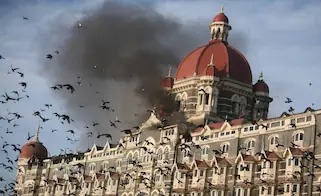
Bombay HC Bars 26/11 Acquitted Man from Commercial Driving Licence
Court Upholds Police Refusal of Clearance Certificate
Security Concerns Override Right to Livelihood
By Our Legal Correspondent
New Delhi: April 30, 2026:
The Bombay High Court has rejected the plea of Fahim Ansari, acquitted in the 26/11 Mumbai terror attack case, seeking a police clearance certificate (PCC) to obtain a commercial driving licence. The Court cited “peculiar facts” and “security concerns,” holding that authorities were justified in denying him the Public Service Vehicle (PSV) badge required for auto-rickshaw driving.
For insights into how Indian courts evaluate title, possession, and evidentiary standards in civil disputes, refer to the Supreme Court judgment in Benga Behera & Another v. Braja Kishore Nanda & Others . This ruling explains key legal principles governing property rights and the burden of proof in complex civil litigation.
Analytical Overview
The case highlights the intersection of individual rights and public security in Indian law. Ansari, acquitted in 2010 of charges related to the 26/11 attacks, argued that denial of a PCC was arbitrary and discriminatory. However, the Bombay High Court upheld the police decision, emphasizing the state’s responsibility to safeguard public safety.
1. Public Service Vehicle (PSV) Badge Rules
- To drive taxis or auto-rickshaws commercially in Maharashtra, applicants must secure a PSV badge.
- A Police Clearance Certificate (PCC) is mandatory for issuance.
- PCC ensures that drivers entrusted with public transport have no adverse criminal or security record.
2. Police Clearance Certificate (PCC) Framework
- Governed by state transport rules and police verification protocols.
- Denial can occur if adverse reports exist regarding criminal history or links to banned organizations.
- In Ansari’s case, police cited alleged links to Lashkar-e-Taiba (LeT), despite his acquittal.
3. Judicial Reasoning
- The Court noted that acquittal does not erase security concerns tied to peculiar facts of a case.
- It held that authorities acted within their discretion in refusing PCC.
- Judges emphasized balancing right to livelihood (Article 21) with national security obligations.
4. Precedents and Legal Principles
- Article 21 of the Constitution guarantees the right to life and livelihood.
- However, courts have consistently held that such rights are subject to reasonable restrictions in the interest of public safety.
- The ruling reflects the principle that security considerations can override individual employment claims.
5. Alternative Employment
- The State argued Ansari could pursue jobs not requiring PCC.
- This distinction underscores how employment categories differ in verification requirements, with public-facing roles subject to stricter scrutiny.
Key Legal Takeaways
- PCC is mandatory for PSV badge applicants in Maharashtra.
- Acquittal does not guarantee clearance if security concerns persist.
- Courts balance fundamental rights with public safety imperatives.
- Individuals with sensitive case histories may face employment restrictions in regulated sectors.
FAQ: Legal Points Simplified
Q1: What is a PSV badge?
It is a licence required to drive taxis or auto-rickshaws commercially in Maharashtra.
Q2: Why is a Police Clearance Certificate needed?
To ensure drivers have no criminal or security record, protecting public safety.
Q3: Can someone acquitted of charges still be denied PCC?
Yes. Acquittal removes criminal liability but does not erase security concerns. Authorities may deny clearance based on adverse intelligence reports.
Q4: Which laws govern PCC issuance?
Primarily state transport rules, police verification protocols, and constitutional principles balancing rights with security.
Q5: Does denial of PCC violate the right to livelihood?
Not necessarily. Courts recognize Article 21 rights but allow restrictions when public safety is at stake.
Q6: What alternatives exist for someone denied PCC?
They can pursue jobs not requiring police verification, such as private employment in sectors without clearance mandates.
Conclusion
The Bombay High Court’s ruling underscores the primacy of security concerns in regulated employment sectors. While acquittal restores legal innocence, it does not automatically entitle individuals to sensitive roles requiring public trust. The case illustrates how constitutional rights are balanced against collective safety, reaffirming that livelihood claims cannot override national security imperatives