
₹12 Lakh ATM Fraud Case: Why PIN and OTP Safety Is Crucial for Senior Citizens
Compensation Highlights Banks’ Responsibility in Protecting Customers
Digital Safety Rules Every Account Holder Must Follow
By Legal Reporter
New Delhi: March 11, 2026:
Also Read: Bombay HC: Railways Wrong to Force Family into Litigation for Compensation
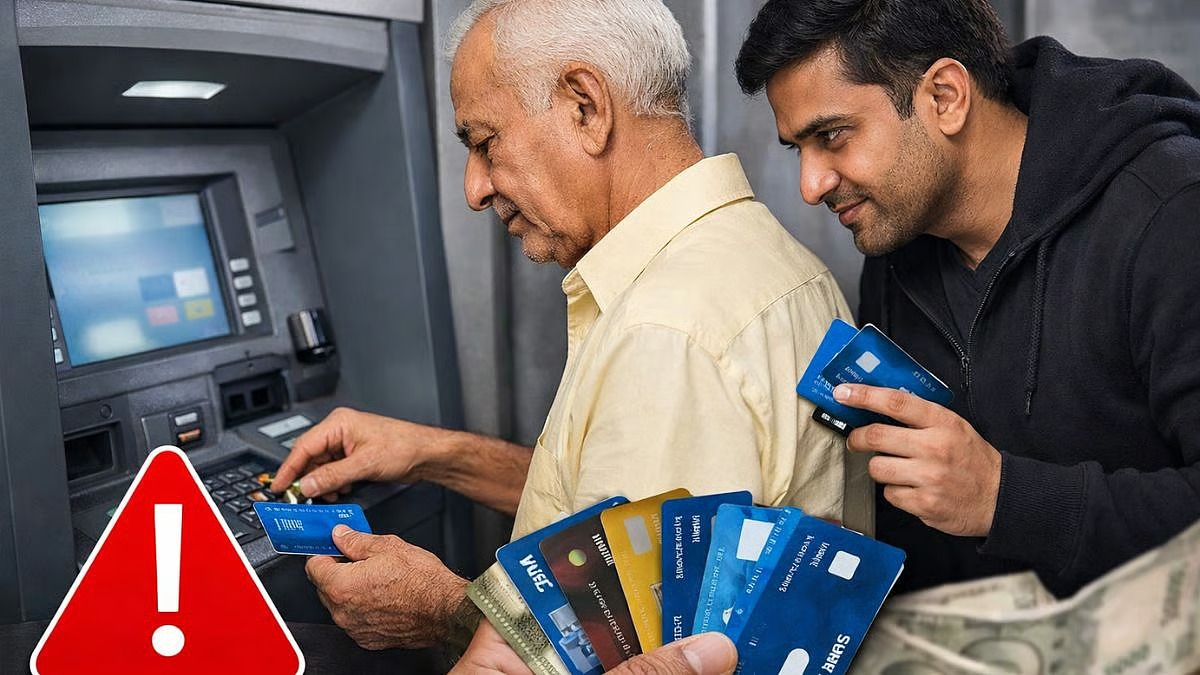
Digital banking has transformed India’s financial landscape, making transactions faster and more convenient. But with convenience comes risk. A recent case involving a senior citizen who lost ₹12 lakh in ATM fraud has drawn national attention. The consumer court ordered the bank to pay ₹5 lakh compensation, stressing that financial institutions must protect vulnerable customers. The case underscores the importance of PIN and OTP safety, as fraudsters increasingly exploit weak security practices.
The Case in Detail
- A senior citizen was tricked into sharing sensitive ATM details.
- Fraudsters withdrew ₹12 lakh using stolen credentials.
- The consumer court ruled that the bank must pay ₹5 lakh compensation for failing to protect the customer adequately.
- The judgment serves as a warning to both banks and customers about the importance of digital safety.
Also Read: Supreme Court: OBC Creamy Layer Cannot Be Decided on Income Alone
Why Senior Citizens Are More Vulnerable
- Limited digital literacy: Many older customers are unfamiliar with online fraud tactics.
- Trusting nature: Senior citizens may be more likely to share PINs or OTPs when asked.
- Targeted scams: Fraudsters often pose as bank officials to gain trust.
- Slow response: Victims may not immediately report suspicious activity, giving fraudsters more time.
Legal and Regulatory Framework
- RBI Guidelines: Banks must ensure secure ATM and online transactions.
- Consumer Protection Act: Customers can seek compensation for negligence.
- Cybercrime Laws: Fraudsters can be prosecuted under the IT Act, 2000.
- Bank Liability: If fraud occurs due to system failure, banks must compensate customers.
Safety Tips for Customers
✅ Do’s
Also Read: Supreme Court Warns CBI Against Eyewash in Builders-Bankers Probe
- Always keep ATM PIN confidential.
- Never share OTPs with anyone, even if they claim to be bank officials.
- Enable SMS/email alerts for transactions.
- Report suspicious activity immediately to the bank.
❌ Don’ts
- Don’t write PINs on paper or store them in mobile notes.
- Don’t use easily guessable PINs (like birth dates).
- Don’t click on suspicious links or respond to unknown calls.
- Don’t delay reporting fraud—time is critical.
[Additional Resource for Legal Learners]
📘 Legal professionals, families and students alike will benefit from “Will Writing Simplified”, which covers procedure and case law in detail.
🔹 Buy online: Amazon | Flipkart
Conclusion
The ₹12 lakh ATM fraud case is a wake-up call for India’s banking sector and customers alike. While compensation offers partial relief, prevention remains the best protection. By following PIN and OTP safety rules, customers—especially senior citizens—can safeguard their money. Banks, regulators, and courts must continue to strengthen digital security, ensuring that trust in India’s financial system remains intact.
Also Read: Kerala HC Grants Bail to Republic TV Journalists in Iranian Warship Filming Case
GEO-Friendly Keywords
- ATM fraud India senior citizens
- PIN and OTP safety banking
- ₹12 lakh ATM fraud case India
- Consumer court ATM fraud compensation
- RBI rules ATM fraud liability
- Digital banking fraud prevention India
Also Read: Karnataka HC: Heartbreak Not a Crime, Quashes Rape Case on False Promise to Marry