
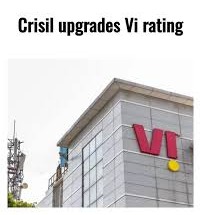
Vodafone Idea’s Rating Upgrade: Legal and Regulatory Dimensions
Crisil Boosts Vodafone Idea to A-/Stable: Debt Relief, AGR Resolution, and Aditya Birla’s Backing Fuel Revival
Bank Debt and Equity Infusions Anchor Financial Stability
By Vishwas Kumar
New Delhi: May 26, 2026
Vodafone Idea’s credit rating upgrade by Crisil to A-/Stable is a turning point, driven by Aditya Birla Group’s backing, resolution of AGR dues, and large-scale equity infusions. The case highlights India’s telecom regulatory framework, debt restructuring norms, and the legal treatment of spectrum and AGR liabilities.
Key Legal and Regulatory Frameworks Referenced
The Supreme Court judgment in Arjan Singh vs Hazara Singh is an important ruling on inheritance disputes, testamentary succession, and legal proof of wills under Indian law. The Court discussed the principles governing execution and attestation of testamentary documents, while also addressing the evidentiary burden required to establish the genuineness of a will in contested family property matters. This decision is frequently cited in probate proceedings, succession litigation, and disputes concerning validity of wills and transfer of property through inheritance.
1. Adjusted Gross Revenue (AGR) Dues
- AGR is defined under Telecom Regulatory Authority of India (TRAI) rules and enforced by the Department of Telecommunications (DoT).
- Vodafone Idea faced liabilities exceeding ₹87,000 crore, later reduced to ₹64,046 crore, with minimal repayments scheduled till FY35.
- This restructuring follows Supreme Court rulings (2019 AGR judgment) that upheld DoT’s interpretation of AGR, binding telcos to pay dues on both telecom and non-telecom revenues.
2. Spectrum Liabilities
- Spectrum is allocated under the Indian Telegraph Act, 1885 and auctioned by DoT.
- Vodafone Idea carries ₹1.2 trillion spectrum liabilities, with scheduled payments of ₹15,310 crore in FY28 and ₹26,937 crore in FY29.
- These obligations are treated as sovereign dues, meaning repayment is legally prioritized over other debts.
3. Debt Restructuring and Banking Rules
- The company is raising ₹25,000 crore via an SBI-led consortium loan and ₹10,000 crore in non-fund-based limits.
- Such arrangements fall under Reserve Bank of India (RBI) prudential norms for large exposures and consortium lending.
- The rolling credit facility reflects compliance with RBI’s guidelines on working capital financing.
4. Equity Infusions and Corporate Governance
- Vodafone Idea raised ₹26,000 crore equity since March 2024, including ₹18,000 crore via FPO.
- Promoter contributions and conversion of vendor dues into equity align with Companies Act, 2013 provisions on share issuance and debt-to-equity conversions.
- Appointment of Kumar Mangalam Birla as Chairman underscores governance under SEBI’s Listing Obligations and Disclosure Requirements (LODR).
Analytical Insights
- Legal Relief via AGR restructuring: The deferment till FY35 provides breathing space, reducing immediate cash flow stress.
- Spectrum liabilities remain a ticking clock: Despite AGR relief, sovereign dues on spectrum are unavoidable, posing long-term risks.
- Banking norms ensure structured financing: RBI’s rules on consortium lending safeguard creditors while enabling large-scale funding.
- Corporate governance strengthens investor confidence: SEBI’s oversight ensures transparency in promoter support and equity infusions.
Detailed FAQ on Legal Points
Q1. What is AGR and why is it legally binding?
AGR is the revenue definition used by DoT to calculate license fees and spectrum usage charges. The Supreme Court upheld DoT’s broad definition, making it binding on all telcos.
Q2. How are spectrum liabilities treated under Indian law?
Spectrum payments are sovereign dues under the Telegraph Act. They cannot be waived and must be prioritized over other debt obligations.
Q3. Can Vodafone Idea restructure its bank debt freely?
No. Debt restructuring must comply with RBI’s prudential norms, especially for large exposures. Consortium lending ensures risk-sharing among banks.
Q4. How does equity infusion reduce legal liabilities?
Equity infusion strengthens net worth and reduces reliance on debt. Conversion of vendor dues into equity is permitted under the Companies Act, lowering immediate repayment obligations.
Q5. What role does SEBI play in Vodafone Idea’s revival?
SEBI ensures promoter commitments, share warrants, and FPOs comply with disclosure and governance norms, protecting minority shareholders.
Q6. Does AGR relief mean Vodafone Idea is debt-free?
No. AGR dues are only deferred, not waived. Spectrum liabilities and bank debt remain significant obligations.
Conclusion
Vodafone Idea’s upgrade to A-/Stable reflects a rare convergence of legal relief (AGR deferment), regulatory compliance (spectrum payments), and financial restructuring (bank debt and equity infusions). While the Aditya Birla Group’s support provides stability, the telco’s long-term survival hinges on sustained subscriber growth and careful navigation of India’s telecom laws.