
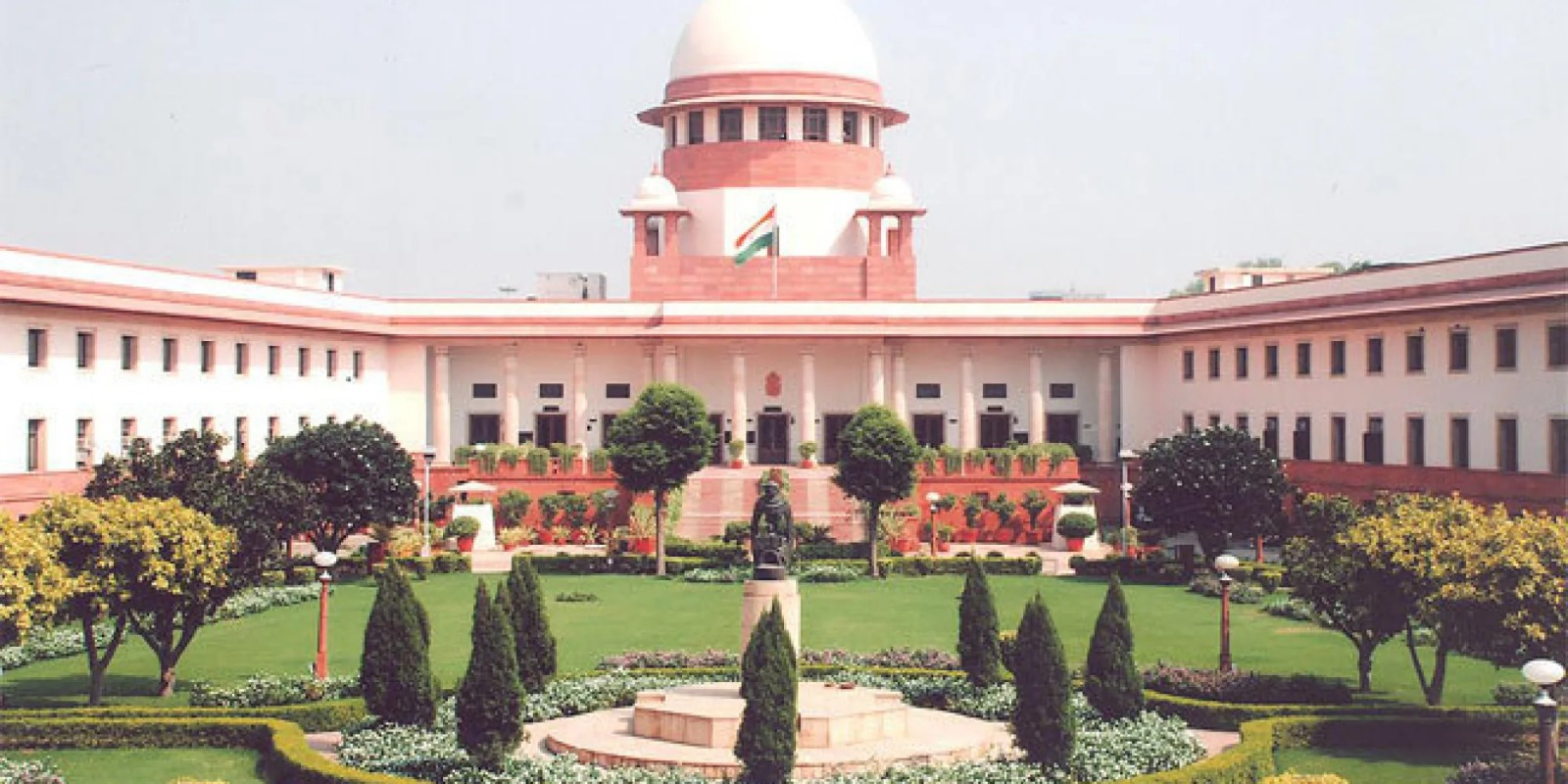
V. Prabhakara v. Basavaraj K. (Dead) by LRs & Another (2021): Supreme Court Restores Primacy of Trial Court in Will Disputes
Suspicion Must Rest on Evidence, Not Conjecture
Why This Case Still Shapes Succession Petitions
By Vishwas Kumar
New Delhi: April 14, 2026:
The Supreme Court’s ruling in V. Prabhakara v. Basavaraj K. (Dead) by Legal Representatives & Another (2021) stands as a defining precedent in Indian succession law. Delivered in Civil Appeals Nos. 1376–77 of 2010, the judgment addressed the validity of a registered Will (Ex.P-4) and the improper manner in which the High Court had cast suspicion upon it. The case is frequently cited by lawyers because it clarifies the boundaries of judicial reasoning in testamentary matters: suspicion must be rooted in pleadings and evidence, not moral conjecture.
The Dispute: Two Wills, One Genuine, One Fabricated
The litigation revolved around two documents. The first, Ex.P-4, was a registered Will executed by the testatrix in 1986. The second, Ex.D-1, was alleged to be a later Will but was riddled with defects: a smudged thumb impression, absence of the scribe’s testimony, and suspicious dating (stamp dated 15 August 1986, Will dated 16 August, testatrix dying on 22 August). Both the trial court and the Supreme Court found Ex.D-1 to be fabricated, thereby strengthening the authenticity of Ex.P-4.
Key Observations by the Supreme Court
- Exclusion of Heirs Not Suspicious Per Se
The High Court doubted the exclusion of the propounder’s siblings. The Supreme Court clarified that mere exclusion of a brother or sister does not create suspicion unless other factors show unnatural disposition. In fact, the sister was present during registration and the brother attested the Will, both without objection (Paras 24–26). - Suspicion Must Be Pleaded and Proved
The Court emphasized that suspicion cannot be conjured by appellate judges without pleadings or evidence. Testamentary courts are courts of conscience, not suspicion (Paras 21, 23, 24, 37). - Role of Appellate Courts
The High Court had disregarded the trial court’s findings without cogent reasons. The Supreme Court reiterated that appellate courts cannot substitute their own moral reasoning for factual findings, especially when the trial court had observed witness demeanour (Paras 21, 36–37). - Compliance with Statutory Proof
Ex.P-4 was registered, attested by two witnesses, and proved in conformity with Section 63 of the Succession Act and Section 68 of the Evidence Act. Once these requirements are satisfied, the burden shifts to challengers to prove suspicious circumstances (Para 25). - Registration as Presumption of Genuineness
While registration is not mandatory, it creates a rebuttable presumption under Section 114(e) of the Evidence Act. Here, registration contemporaneous with execution added weight to the Will’s authenticity (Paras 19, 25). - Forgery Strengthens the Genuine Will
The fabrication of Ex.D-1 did not weaken Ex.P-4; rather, it reinforced the propounder’s case by showing attempts to dislodge a genuine Will (Paras 7, 27).
Why Lawyers Still Cite This Case
- Burden of Proof Doctrine: Once statutory proof is satisfied, challengers must establish suspicion with evidence.
- Limits on Appellate Courts: It curtails appellate courts from overturning trial court findings based on moral or ethical notions.
- Clarification on Exclusion of Heirs: It establishes that unequal distribution or exclusion of heirs is not inherently suspicious.
- Forgery Principle: It underscores that fabrication of an alternate Will strengthens the genuineness of the proved Will.
This case is a touchstone for petitions involving contested Wills. Lawyers invoke it to argue against speculative doubts raised by opponents and to reinforce the principle that testamentary courts must rely on evidence, not conjecture.
[RESEARCH RESOURCES]
EXTRACTS FROM BOOK, WILL WRITING SIMPLIFIED, By Dr Ravinder Kumar Anand. [📘 Buy Will Writing Simplified online: Amazon | Flipkart ]
Case Title: V. Prabhakara v. Basavaraj K. (Dead) by Legal Representatives & Another, (2021) 10 SC CK 0031 – a notable Supreme Court judgment on wills and succession law dealing with proof of testamentary documents, suspicious circumstances, and burden of proof under the Indian Evidence Act.
For a deeper understanding of how courts assess validity of wills, attestation requirements under Section 63 of the Indian Succession Act, and proof under Section 68 of the Evidence Act, explore this comprehensive collection of Supreme Court judgments on wills and succession law , covering leading precedents on probate and inheritance disputes in India.
Read the full judgment here:
V. Prabhakara vs. Basavaraj K. – Complete Judgment
| Suspicious Circumstance | Court’s Observation & Para Reference in the Judgement |
| High Court doubted exclusion of sister and brother | Mere exclusion does not create suspicion unless supported by surrounding factors. [Paras 24–26] |
| Appellate Court’s suspicion without reasons | Testamentary court is a court of conscience, not suspicion. Findings must be reason-based. [Paras 21, 23, 24, 37] |
| Second Will (Ex.D-1) alleged | Held forged due to inconsistencies like stamp date and lack of proof. [Paras 7, 27] |
| Presence of sister at registration | Adds credibility, not suspicion. [Para 26] |
| No pleadings on suspicion | Suspicion must arise from pleadings, not assumptions. [Para 27] |
| Moral reasoning by court | Court must rely on legal evidence, not personal notions. [Para 24] |
| Statutory compliance | Will proved under Section 63 & 68 → no room for suspicion. [Para 25] |
| Trial court findings ignored | Appellate court must give strong reasons to differ. [Paras 21, 36–37] |
| Court of conscience principle | Decision must be evidence-based, not suspicion-driven. [Para 24] |
| Unequal distribution | Not suspicious unless unnatural circumstances proven. [Para 24–26] |
| Burden of proof | Shifts to challenger once Will is proved. [Para 25] |
| Suspicion must be evidence-based | Cannot arise from conjecture. [Para 27] |
| Appellate court role limited | Cannot override trial court without proper reasoning. [Para 21, 36–37] |
| Forgery of alternate Will | Strengthens genuine Will case. [Para 7, 27] |
| Registration of Will | Creates rebuttable presumption of genuineness. [Para 19, 25] |
FAQs
Q1: Why did the Supreme Court reject the High Court’s suspicion?
Because suspicion must arise from pleadings and evidence, not moral reasoning or conjecture.
Q2: Does exclusion of heirs automatically make a Will suspicious?
No. Unequal distribution or exclusion is valid unless accompanied by unnatural or improbable circumstances.
Q3: What was wrong with the second Will (Ex.D-1)?
It was fabricated: smudged thumb impression, suspicious stamp date, absence of scribe, and proximity to testatrix’s death.
Q4: How did registration help prove the Will?
Registration created a presumption of proper execution under Section 114(e) of the Evidence Act, reinforcing genuineness.
Q5: What role did the sister and brother play?
The sister was present during registration, and the brother attested the Will. Their silence confirmed authenticity.
Q6: What is the burden of proof in Will disputes?
Once statutory proof under Section 63 and 68 is satisfied, challengers must prove suspicious circumstances.
Q7: Why is this case still cited by lawyers?
It sets clear precedent on the limits of appellate courts, the burden of proof, and the treatment of fabricated alternate Wills.
FINAL NOTE:
This judgment remains a guiding precedent, reminding courts that testamentary disputes must be resolved on evidence, not conjecture, and that the conscience of the court must rest on facts, not moral impressions. It continues to shape how lawyers frame arguments in succession petitions across India.