
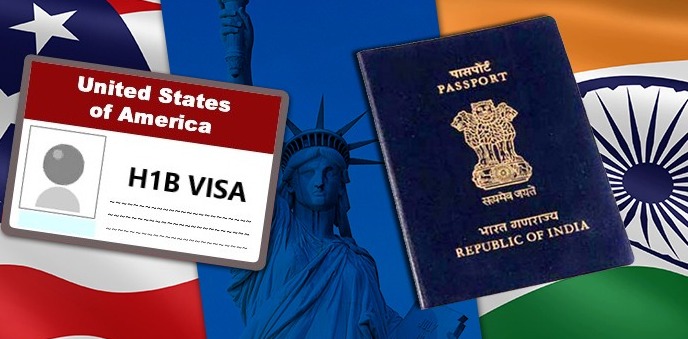
What Indians Looking to Move US Should Know: Green Card Rules Overhauled; H-1B Holders Face New Compliance Checklist
Consular Processing Abroad Now Mandatory for Temporary Visa Holders
Step-by-Step Guide to Stay Prepared and Avoid Pitfalls
By Vishwas Kumar
New Delhi: May 23, 2026:
Detailed Checklist for Applicants
✅ Step 1: Confirm Your Visa Status
- Identify if you are on H-1B, L, F-1, or other temporary visas.
- Only temporary visa holders are affected by the new rule.
To understand how Indian courts deal with inheritance disputes, competing claims of legal heirs, validity of family arrangements, and evidentiary standards in civil property matters, readers should also explore Ajit Kaur & Surjit Kaur vs Darshan Singh (Dead) Through LRs & Others. This judgment discusses important principles relating to succession, ownership disputes, appreciation of oral and documentary evidence, and the rights of parties involved in long-standing family property litigation.
✅ Step 2: Understand the Policy Change
- Adjustment of status within the U.S. is no longer allowed.
- You must apply for a Green Card through a U.S. consulate in your home country.
✅ Step 3: Prepare for Consular Processing
- Collect all required documents: employment letters, pay stubs, tax filings, and proof of lawful stay.
- Schedule consular appointments early to avoid backlogs.
- Anticipate longer wait times compared to in-country processing.
✅ Step 4: Plan Travel Logistics
- Ensure your passport is valid for at least six months beyond intended travel.
- Book travel to your home country for consular interviews.
- Factor in potential delays before returning to the U.S.
✅ Step 5: Mitigate Risks of Denial Abroad
- Consult an immigration attorney before leaving the U.S.
- Prepare strong documentation to demonstrate eligibility.
- Keep backup plans in case of visa denial (e.g., employment options outside the U.S.).
✅ Step 6: Explore Exceptions
- USCIS allows exceptions in extraordinary circumstances.
- Examples may include humanitarian needs or compelling U.S. ties.
- Apply for discretionary relief if you believe your case qualifies.
✅ Step 7: Stay Updated on Processing Times
- Monitor consular websites for appointment availability.
- Track USCIS and Department of State updates on visa bulletin changes.
✅ Step 8: Coordinate with Employers
- Inform your employer about potential travel and delays.
- Ensure continued compliance with H-1B or L visa requirements while abroad.
- Request employer support letters for consular interviews.
✅ Step 9: Maintain Legal Status Until Departure
- Do not overstay your current visa while preparing for consular processing.
- File extensions if necessary to remain lawful until departure.
✅ Step 10: Keep Records Ready
- Maintain copies of all immigration filings, approvals, and correspondence.
- Carry originals for consular interviews.
- Keep digital backups in case of document loss during travel.
Quick FAQ Recap
Q1. Who must apply abroad for Green Cards now?
All temporary visa holders (H-1B, L, F-1, tourist visas).
Q2. What is the biggest change?
No more in-country adjustment of status; consular processing abroad is mandatory.
Q3. Are there exceptions?
Yes, but only in extraordinary circumstances, evaluated case by case.
Q4. How should applicants prepare?
Gather documents, plan travel, consult attorneys, and coordinate with employers.
Q5. What risks exist?
Visa denial abroad could prevent re-entry into the U.S.
Q6. How can risks be reduced?
Strong documentation, legal advice, and employer support improve chances.
Bottom Line: The new USCIS policy requires temporary visa holders to pursue Green Cards through consular processing abroad. By following this checklist—covering documentation, travel, employer coordination, and risk management—applicants can navigate the tightened rules more effectively and safeguard their immigration journey.