
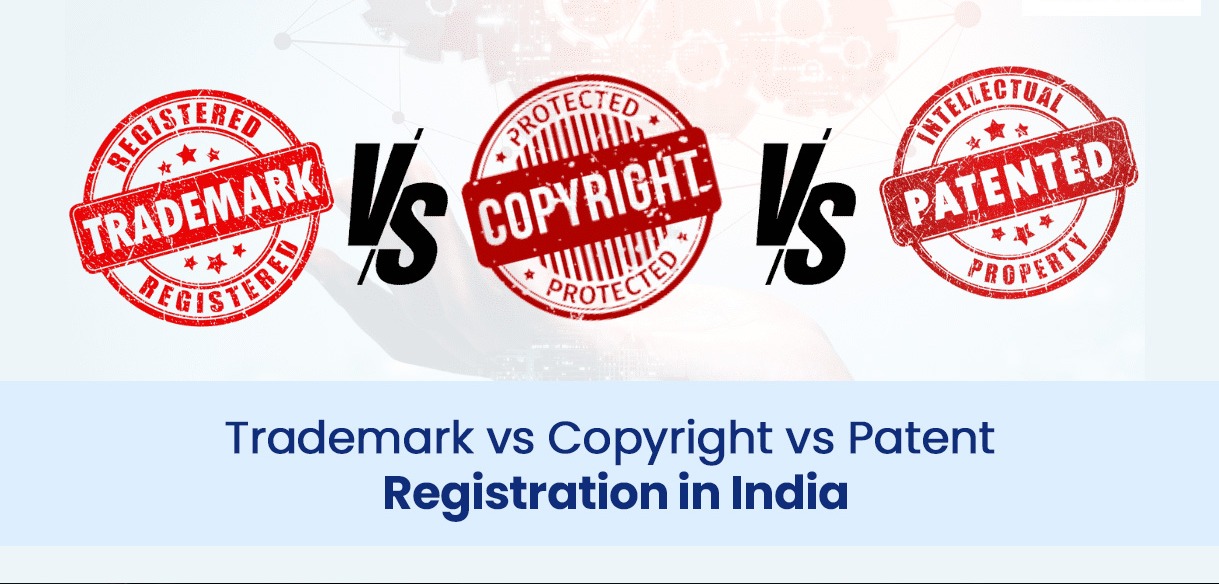
Trademark, Copyright, and Patent: Untangling Intellectual Property Rights
Why knowing the difference protects your business and creativity
Navigating trademark classes and online search tools
By Vishwas Kumar
New Delhi: April 13, 2026:
In the modern economy, intellectual property (IP) is the lifeblood of innovation and brand identity. Yet, confusion often arises when businesses and creators attempt to distinguish between trademarks, copyrights, and patents. Each serves a unique purpose, and misunderstanding their scope can lead to costly mistakes.
For deeper insight into testamentary capacity and validity of wills, refer to this Supreme Court judgment on testamentary capacity and proof of will in Joyce Primrose Prestor vs Vera Marie Vas and Others.
Trademark: The Brand Identifier
A trademark is a word, logo, design, or even a combination of colors and shapes that signals the originality of a brand. Its primary role is differentiation—helping consumers recognize one company’s products or services among competitors. For example, the golden arches of McDonald’s or the blue bird of Twitter are instantly recognizable trademarks.
In India, trademarks are categorized into 45 classes: 34 for goods and 11 for services. This classification system, aligned with international standards, ensures that businesses can register their marks in the relevant categories. For instance, a clothing brand would register under Class 25, while a software company might use Class 42.
Copyright: Protecting Creativity
Copyright is the legal right granted to creators over their original literary, artistic, musical, and dramatic works. It ensures that authors, musicians, and artists can control how their creations are reproduced, distributed, or adapted. Unlike trademarks, which protect brand identity, copyright safeguards creative expression. For example, a novel, a painting, or a film script falls under copyright protection.
Patent: Safeguarding Innovation
Patents protect inventions. They grant inventors exclusive rights to commercialize their innovations for a limited period, typically 20 years. This prevents others from making, using, or selling the invention without permission. Patents are crucial in industries like pharmaceuticals, technology, and engineering, where innovation drives competitive advantage.
Why the Distinction Matters
Confusing these categories can lead to missteps. A logo cannot be patented, a novel cannot be trademarked, and an invention cannot be copyrighted. Each form of IP has its own registration process, legal framework, and enforcement mechanism. Businesses and creators must understand these distinctions to protect their assets effectively.
Trademark Classes in India
The trademark classification system is particularly important. With 45 classes, it allows businesses to register marks based on their activity. This prevents overlap and ensures clarity. For example, a food company registering under Class 30 (confectionery) cannot block a clothing company under Class 25 from using a similar mark, unless there is a risk of consumer confusion.
Conducting a Trademark Search Online
Before filing, businesses should conduct a trademark search to avoid duplication. The process is straightforward:
- Visit the government trademark search portal.
- Enter the trademark class and the words or logo you want to search.
- Review the results to check availability.
This step saves time and money by ensuring that your proposed trademark is unique and legally viable.
Key Issues in Trademark Registration
- Overlap Risks: Similar marks in different classes can still cause disputes if consumer confusion arises.
- International Protection: Indian registration covers only India; global expansion requires separate filings.
- Awareness Gap: Many small businesses skip trademark searches, leading to rejection or legal battles.
- Strategic Value: A registered trademark is not just protection—it is a business asset that can be monetized.
Conclusion
Trademarks, copyrights, and patents are distinct but complementary pillars of intellectual property. For businesses, trademarks are indispensable in building brand identity, while copyrights and patents protect creativity and innovation. In India, the trademark classification system and online search tools make registration accessible, but awareness and diligence remain key. Protecting intellectual property is not just a legal necessity—it is a strategic investment in the future of any enterprise.
[RECOMMENDED RESEARCH RESOURCES]
Check Supreme Court will judgments list here. Click the link here: https://www.courtkutchehry.com/pages/blog/123-supreme-court-judgments-on-wills/
EXTRACTS FROM BOOK, WILL WRITING SIMPLIFIED, By Dr Ravinder Kumar Anand. [📘 Buy Will Writing Simplified online: Amazon | Flipkart ]
FAQ: Intellectual Property and Trademark Classes
Q1. What is the difference between trademark, copyright, and patent?
- Trademark protects brand identity (logos, names, designs).
- Copyright protects creative works (books, music, art).
- Patent protects inventions and innovations.
Q2. What is a trademark class?
Trademark classes divide goods and services into 45 categories—34 for goods and 11 for services. This system helps businesses register marks in the correct category.
Q3. Why are trademark classes important?
They prevent overlap between unrelated industries and ensure clarity in registration.
Q4. How can I do a trademark search online?
Visit the government trademark search portal, enter the class and keywords, and review results for availability.
Q5. Does Indian trademark registration protect my brand globally?
No. It provides protection only within India. For international coverage, you must file separately or use treaties like the Madrid Protocol.
Q6. What happens if I don’t conduct a trademark search?
Your application may be rejected, or you may face legal disputes if a similar mark already exists.
Q7. Can a trademark be considered a business asset?
Yes. It can be licensed, franchised, or sold, adding significant value to the company.