
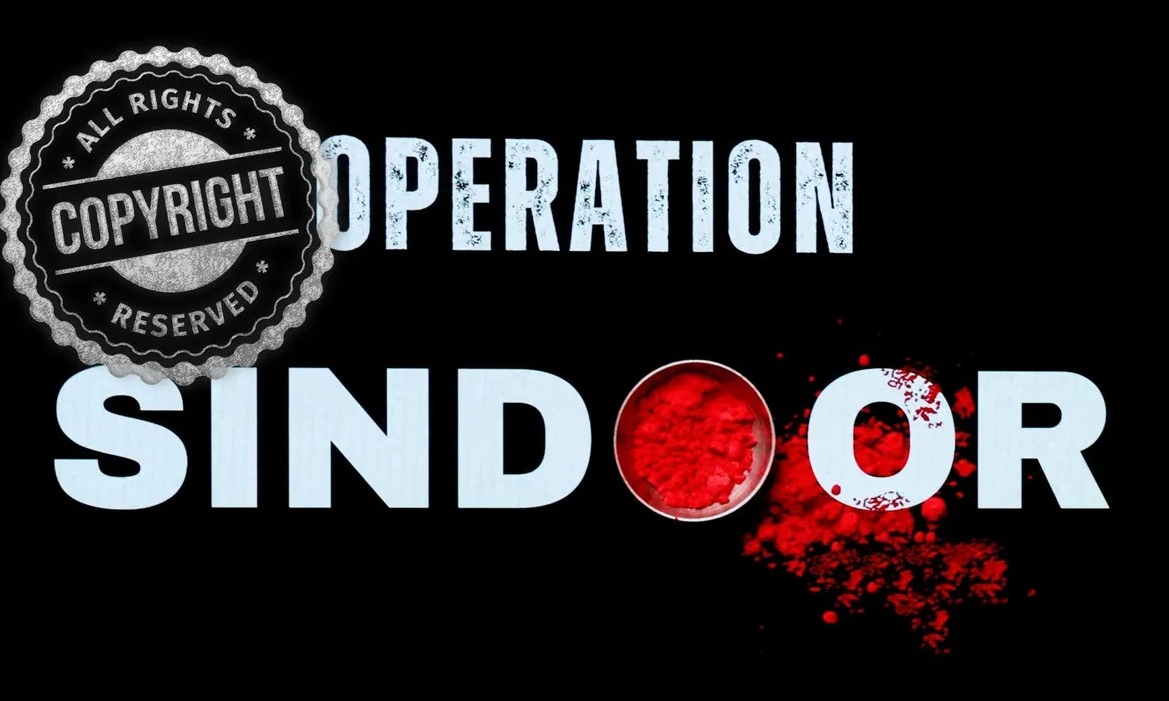
Trademark Battles in Bollywood: Protecting Film Titles and Brand Identity
From Sholay to DDLJ: How Courts Guard Cultural Icons
Global Lessons on Entertainment Branding and IP Enforcement
By Vishwas Kumar
New Delhi: June 09, 2026:
India’s entertainment industry has increasingly recognized that trademarks are not confined to logos or corporate identities—they extend to film titles, character names, and even catchphrases that carry immense cultural and commercial weight. Bollywood, with its massive influence, has been at the center of numerous disputes over trademark protection. Titles such as Sholay, Dilwale Dulhania Le Jayenge (DDLJ), and Kabhi Khushi Kabhie Gham are more than just identifiers of films; they are cultural assets that evoke nostalgia, loyalty, and brand recognition. Unauthorized use of these titles or associated imagery dilutes brand value, misleads consumers, and undermines the economic interests of producers and studios.
The legal foundation for protecting film titles and related branding lies in the Trademark Act, 1999, which allows distinctive titles and logos to be registered as trademarks. This ensures that producers can prevent others from exploiting their intellectual property for commercial gain. The Copyright Act, 1957 complements this by safeguarding creative works such as scripts, posters, and promotional material. Courts have increasingly recognized the overlap between copyright and trademark law in entertainment, especially when titles and characters become synonymous with cultural identity. For instance, the Delhi High Court’s ruling in Sholay Media v. Yogesh Patel affirmed that Sholay was not just a film title but a brand deserving trademark protection, preventing its misuse in restaurants, merchandise, and derivative works.
Judicial precedents have expanded the scope of protection. In Warner Bros. v. Harinder Kohli (2009), the Delhi High Court restrained the use of “Harry Potter” in an Indian film title, reinforcing the principle that global entertainment brands enjoy protection in India. Similarly, Star India v. Leo Burnett (2003) safeguarded the Kaun Banega Crorepati brand against unauthorized advertising, while Arbaaz Khan v. Northstar Entertainment (2016) protected the Dabangg franchise from unlicensed merchandising. These cases illustrate that courts are willing to treat film titles and entertainment properties as trademarks, recognizing their commercial and cultural significance.
The sociological impact of such protection is profound. Film titles are cultural touchstones, and their misuse erodes symbolic value. Economically, unauthorized merchandising and title duplication dilute brand equity, causing financial losses to producers and legitimate advertisers. Ethically, the debate centers on balancing artistic freedom with commercial protection—while parody and satire must be allowed, commercial exploitation without consent undermines fairness and creativity.
Globally, India’s approach mirrors trends in the United States and the European Union. In the US, entertainment companies like Disney aggressively defend their trademarks, ensuring that franchises remain protected across films, merchandise, and theme parks. The EU emphasizes consumer protection and distinctiveness, preventing confusion in the marketplace. India, while strengthening judicial recognition, still faces uneven enforcement, with smaller producers often struggling to protect their titles against larger competitors or unauthorized use in regional markets.
As Bollywood and regional cinema expand their global reach, trademark protection for film titles, characters, and catchphrases will become even more critical. These assets are not just part of India’s cultural heritage—they are commercial brands that fuel merchandising, endorsements, and international recognition. Protecting them ensures that creativity is rewarded, consumers are not misled, and India’s entertainment industry continues to thrive in the global marketplace.
Legal Framework
- Trademark Act, 1999: Provides protection for distinctive film titles, logos, and production house identities.
- Copyright Act, 1957: Protects creative works like scripts, posters, and promotional material.
- Constitutional Provisions: Article 19(1)(a) (freedom of speech) balanced against commercial misuse of cultural icons.
- International Treaties: TRIPS and WIPO agreements harmonize trademark protection globally.
Judicial Precedents on Trademark Battles in Entertainment)
Indian courts have consistently reinforced the principle that film titles, characters, and entertainment properties are not merely creative identifiers but valuable trademarks deserving protection. Beyond the well‑known cases of Sholay, Harry Potter, Kaun Banega Crorepati, and Dabangg, several other precedents illustrate the evolving landscape of trademark enforcement in Bollywood and Indian entertainment.
Raj Television Network v. Star India (2008)
The Madras High Court restrained Raj TV from using the title Kyunki Saas Bhi Kabhi Bahu Thi, which was closely associated with Star India’s popular serial. The ruling emphasized that television show titles, like film titles, can acquire distinctiveness and trademark protection.
UTV Software Communications v. Yash Raj Films (2010)
This case involved disputes over similar‑sounding film titles. The Bombay High Court held that titles which create confusion among audiences can be restrained, reinforcing the principle of distinctiveness in entertainment branding.
Shree Venkatesh Films v. Vipul Amrutlal Shah (2010)
The Calcutta High Court restrained the release of a Bengali film that closely resembled Namastey London. The judgment highlighted that storylines and titles are integral to brand identity, discouraging unauthorized adaptations and misleading similarities.
Sony Pictures Networks v. Sports Portal Operators (2018)
Sony Pictures obtained injunctions against websites using its trademarks during the broadcast of FIFA World Cup matches. Though not a film title dispute, the case reinforced that entertainment trademarks extend to sports broadcasting and digital platforms.
Zee Entertainment Enterprises v. Gaurav Assomull (2019)
The Delhi High Court restrained the unauthorized use of Zee’s channel logos and program titles. The ruling underscored that television networks, like film producers, must protect their brand identity against dilution.
Viacom18 Media v. YouTube Channels (2020)
Viacom18 secured injunctions against YouTube channels misusing titles and logos of its shows. The case highlighted the growing importance of protecting entertainment trademarks in the digital era, where unauthorized use spreads rapidly online.
Key Takeaways
- Courts recognize film and TV titles as trademarks when they acquire distinctiveness.
- Unauthorized merchandising, adaptations, and digital misuse are actionable under trademark law.
- Entertainment trademarks extend beyond films to television, sports broadcasting, and digital platforms.
- Judicial precedents emphasize deterrence, ensuring that cultural icons and commercial brands are safeguarded.
In summary, Indian courts have steadily expanded the scope of trademark protection in entertainment, ensuring that iconic titles and brands—from Sholay to Kaun Banega Crorepati—remain secure against dilution and misuse. This judicial trend strengthens the credibility of India’s entertainment industry in global markets.
Comparative Perspectives
- United States: Strong protection for film titles and franchises under trademark law; Disney aggressively defends its brands.
- European Union: Emphasizes consumer protection and brand distinctiveness.
- India: Courts increasingly recognize film titles as trademarks, but enforcement remains uneven.
Sociological, Economic & Ethical Impacts
- Sociological: Film titles are cultural touchstones; misuse erodes their symbolic value.
- Economic: Unauthorized merchandising and title use dilute brand equity, causing financial losses.
- Ethical: Balancing artistic freedom with protection of commercial identity raises questions about creativity and commerce.
Case Studies
- Sholay Title Protection: Courts upheld the iconic film’s title against misuse in restaurants and merchandise.
- Harry Potter Dispute: Reinforced global IP enforcement in India, protecting international franchises.
- Dabangg Merchandising: Bollywood producers defended their franchise against unauthorized T‑shirts and toys.
- Regional Cinema Battles: Producers in Tamil and Telugu industries have fought over similar‑sounding titles, highlighting the importance of distinctiveness.
Extended FAQ (40 Questions with 2–3 Line Answers)
- Can film titles be trademarked?
Yes, if they are distinctive and associated with a brand identity. - What law protects film titles in India?
The Trademark Act, 1999, along with judicial precedents. - Is copyright enough to protect titles?
No, copyright protects creative works, but trademarks safeguard brand identity. - Can two films have the same title?
Not if one is trademarked and distinctive; courts may restrain duplication. - What is passing off in trademark law?
Using a similar title or logo to mislead consumers into believing association. - Can film logos be trademarked?
Yes, logos and visual identities are protected under trademark law. - What is dilution in trademark law?
Unauthorized use that weakens the distinctiveness of a famous mark. - Can catchphrases be trademarked?
Yes, if they are distinctive and used commercially. - What is the Sholay case about?
Protecting the iconic film title against unauthorized use. - Can international titles be protected in India?
Yes, through TRIPS and WIPO treaties. - What is Warner Bros. v. Kohli?
A case protecting the Harry Potter brand in India. - Can film merchandise be trademarked?
Yes, merchandise linked to films can be protected. - What is consumer confusion in trademark law?
When unauthorized use misleads consumers about authenticity. - Can OTT platforms misuse titles?
No, they must obtain licenses for promotional use. - What is the Dabangg case about?
Protecting the franchise against unauthorized merchandising. - Can regional films trademark titles?
Yes, if titles are distinctive and registered. - What is infringement in trademark law?
Unauthorized use of a registered mark or similar mark. - Can film producers sue for damages?
Yes, courts can award damages for trademark infringement. - What is the role of WIPO?
It harmonizes global trademark standards. - Can parody use film titles?
Yes, under fair dealing, but not for commercial exploitation. - What is brand equity in films?
The commercial value of a film’s title and identity. - Can film titles be licensed?
Yes, producers can license titles for merchandise or spin‑offs. - What is the role of consumer protection law?
It prevents misleading use of film titles. - Can film titles be registered internationally?
Yes, through Madrid Protocol and WIPO systems. - What is the Kaun Banega Crorepati case?
Protecting the TV show’s brand against unauthorized advertising. - Can film characters be trademarked?
Yes, distinctive characters can be protected. - What is distinctiveness in trademark law?
The ability of a mark to identify its source uniquely. - Can film producers protect sequels?
Yes, franchise titles can be trademarked. - What is merchandising in films?
Commercial use of film titles and characters on products. - Can film titles be used in restaurants?
Not without authorization, as seen in the Sholay case. - What is unfair competition in trademark law?
Unauthorized use that harms legitimate businesses. - Can film titles be protected globally?
Yes, through international treaties and registrations. - What is the role of arbitration in disputes?
Arbitration offers faster resolution of trademark conflicts. - Can film producers protect digital avatars?
Yes, emerging law recognizes rights in virtual likenesses. - What is the role of consumer awareness?
Educating consumers helps prevent confusion and misuse. - Can film titles be protected posthumously?
Yes, trademarks can be enforced as long as they are registered. - What is the ethical debate in trademark law?
Balancing creativity with commercial protection. - Can film titles be protected in gaming?
Yes, titles used in video games require licensing. - What is the future of film trademarks?
Digital enforcement and global harmonization. - Can AI‑generated film titles be protected?
Yes, if distinctive and registered under trademark law.
Op‑Ed Closing Vision
Trademark battles in Bollywood reflect a larger struggle between creativity and commerce. Film titles are not just identifiers; they are cultural assets and commercial brands. Protecting them ensures that producers, artists, and audiences are not misled or exploited. Judicial precedents like Sholay and Harry Potter have reinforced the importance of trademarks, but statutory clarity and stronger enforcement are needed.
Comparisons with the US and EU show India’s evolving position. The US aggressively protects entertainment brands, while the EU emphasizes consumer protection. India must strengthen enforcement while balancing artistic freedom. The sociological dimension is critical: film titles are cultural touchstones, and misuse erodes their symbolic value. Economically, billions are at stake in merchandising and brand equity. Ethically, the debate centres on balancing free expression with commercial protection.
The way forward lies in codification, collaboration, and creativity. Codification of film title protection into statute will provide clarity. Collaboration with global partners will harmonize standards. Creativity in enforcement—using technology to detect misuse, blockchain to track licensing, and ADR to resolve disputes—will ensure efficiency. Bollywood, with its global reach, has the opportunity to set benchmarks in entertainment branding.
Film titles are more than words; they are symbols of identity, aspiration, and culture. Protecting them is therefore a cultural imperative. The challenge is immense, but so is the promise: to make India not just a hub of film production, but also a beacon of balanced trademark governance. Intellectual property is the scaffolding of creativity and commerce; without it, the edifice of India’s entertainment industry risks collapse. With it, India can build a future where producers thrive, consumers are protected, and culture flourishes in the digital age.