
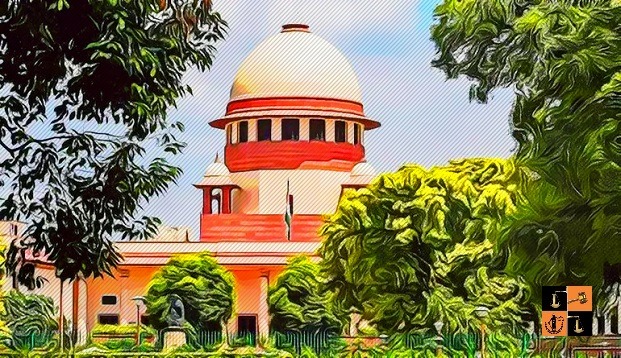
Supreme Court Quashes NCLT & NCLAT Rulings in ₹600 Crore Insolvency Case
Findings Called “Completely Unsustainable” and Based on Assumptions
Court Restores Insolvency Plea Under Section 7 of IBC
By Legal Reporter
New Delhi: February 26, 2026:
In a landmark judgment, the Supreme Court of India has set aside concurrent rulings of the National Company Law Tribunal (NCLT) and the National Company Law Appellate Tribunal (NCLAT) in a high-stakes insolvency case worth ₹600 crore. The apex court held that the findings of the lower tribunals were “completely unsustainable in law” and based on “surmises, conjectures, and assumptions.”
Also Read: Anthropic Accuses Chinese AI Labs of Distillation Attacks on Claude Models
The case, Catalyst Trusteeship Ltd. vs. Ecstasy Realty Pvt. Ltd., revolved around the refusal of NCLT and NCLAT to admit an insolvency plea filed by Catalyst Trusteeship, acting as a debenture trustee. The Supreme Court’s ruling restores the insolvency proceedings under Section 7 of the Insolvency and Bankruptcy Code (IBC), 2016, reaffirming the primacy of contractual obligations over informal restructuring talks.
Background of the Case
- Catalyst Trusteeship Ltd., acting as debenture trustee, filed an insolvency plea against Ecstasy Realty Pvt. Ltd. under Section 7 of the IBC.
- The plea was based on defaults in repayment of debentures worth ₹600 crore.
- The NCLT and NCLAT rejected the plea, citing ongoing restructuring negotiations between the debtor and creditors.
- Catalyst Trusteeship challenged these rulings before the Supreme Court, arguing that informal talks cannot override binding terms of a Debenture Trust Deed (DTD).
[Recommended Research Resources]
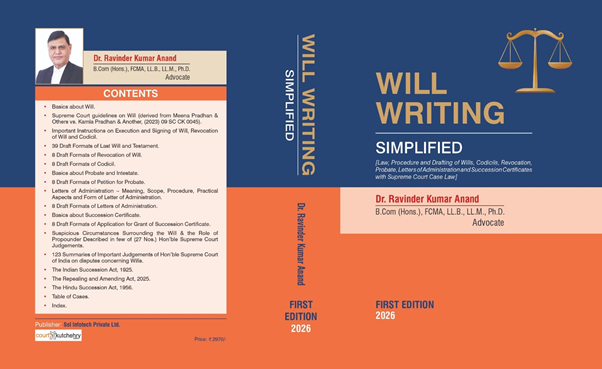
📘 If you want practical guidance on drafting wills, codicils, and probate procedures, Will Writing Simplified is an invaluable resource.
🔹 Buy Will Writing Simplified online: Amazon | Flipkart
Supreme Court’s Observations
- Perverse Findings: The Court described the rulings of NCLT and NCLAT as perverse and unsustainable.
- Binding Contracts Prevail: Informal restructuring negotiations cannot override the binding terms of a debenture trust deed.
- Section 7 IBC Restored: The Court revived the insolvency plea, directing initiation of the Corporate Insolvency Resolution Process (CIRP).
- Judicial Discipline: The Court emphasized that tribunals must adhere to contractual obligations and statutory provisions rather than speculative assumptions.
Also Read: Visa-Free Travel Explained: Why It Doesn’t Always Guarantee Entry
Key Legal Principles Clarified
|
Issue |
Supreme Court’s Position |
|
Section 7 IBC |
Insolvency plea must be admitted if debt and default are proven. |
|
Restructuring Talks |
Informal negotiations cannot override binding contracts. |
|
Tribunal Findings |
Must be based on evidence, not assumptions. |
|
Judicial Oversight |
Supreme Court can intervene when lower tribunals act perversely. |
Also Read: Supreme Court Rules Rooh Afza is a Fruit Drink, Attracts Only 4% VAT
Implications of the Judgment
- For Creditors: Strengthens their ability to enforce contractual rights and initiate insolvency proceedings.
- For Corporate Debtors: Prevents misuse of informal restructuring talks to delay insolvency.
- For Insolvency Framework: Reinforces the primacy of IBC over ad hoc negotiations.
- For Legal System: Demonstrates the Supreme Court’s role in correcting perverse tribunal findings.
Expert Opinions
Legal experts hailed the ruling as a reaffirmation of creditor rights under the IBC. They noted that while restructuring talks are important, they cannot undermine binding contracts. Insolvency professionals added that the judgment will deter debtors from using informal negotiations as a shield against insolvency proceedings.
Timeline of Events
- 2025: Catalyst Trusteeship files insolvency plea against Ecstasy Realty.
- 2025: NCLT and NCLAT reject plea, citing restructuring talks.
- Feb 24, 2026: Supreme Court sets aside rulings, restores insolvency plea under Section 7 IBC.
Also Read: Kerala High Court: Uploading GST Orders on Portal Constitutes Valid Service
Conclusion
The Supreme Court’s ruling in the ₹600 crore Ecstasy Realty case is a landmark in insolvency jurisprudence. By setting aside unsustainable tribunal findings, the Court has reinforced the principle that contractual obligations and statutory provisions under the IBC cannot be diluted by informal negotiations.
This judgment strengthens creditor rights, ensures timely resolution of defaults, and underscores the judiciary’s role in maintaining discipline within India’s insolvency framework.
GEO Keywords for Faster Searches
- Supreme Court Ecstasy Realty insolvency case
- Catalyst Trusteeship vs Ecstasy Realty IBC
- NCLT NCLAT rulings set aside Supreme Court
- Section 7 IBC insolvency plea restored
- Supreme Court ₹600 crore insolvency judgment
- Debenture Trust Deed insolvency India
Also Read: Supreme Court to Examine Condonation of 30-Month ITR Delay